


26 October 2026
Under the theme “Dual-Use Port City Projects”, the ESPO Award 2026 will be handed over to the port managing body that have developed infrastructure and spaces that serve their primary port functions while also creating opportunities for use by the city, either simultaneously or at different times.
The four projects that are shortlisted for this year’s Award are the projects of: Port of Cork (Ireland); Port of Dublin (Ireland), Port of Reykjavik (Iceland) and Port of Tarragona (Spain).
ESPO is proud to present the shortlisted projects ahead of the winner’s announcement during the traditional ESPO Award Ceremony and Dinner, which will take place on November 10 at the the Vanhaerents Art Collection in Brussels. Find out more about the project of Dublin Port Company.
Dublin Port Company, Ireland
Dublin Port Greenway: Dual-Use Port-City Infrastructure for Port Access, Nature, Heritage and Community
1. Congratulations! You have been shortlisted for the ESPO Award 2026! Could you briefly describe your project?
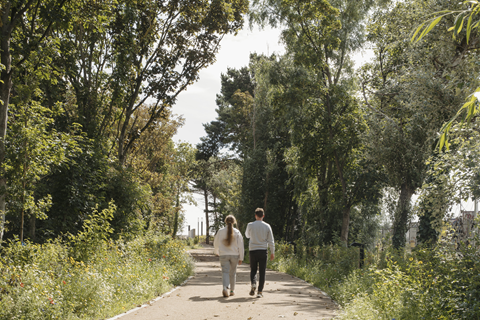
The Dublin Port Tolka Estuary Greenway is a dual-use port-city infrastructure project that transforms the edge of a working port into a shared space for port operations, public realm, biodiversity, heritage and community use. The 2.2 km route runs along the northern perimeter of Dublin Port, providing a safe and universally accessible walking and cycling link to the ferry terminals, while supporting the operational requirements of a busy working port that welcomed over 1.7 million ferry passengers in 2025.
Overlooking the UNESCO-designated Dublin Bay Biosphere, the only biosphere reserve in the world to encompass a national capital city, the Greenway offers a unique opportunity to experience the relationship between port activity, biodiversity and the urban environment. Since opening in September 2024, the Greenway has enabled over 380,000 people to experience the port, its wildlife and its maritime heritage at close hand.
2. Could you tell us more about how your project combines port and city uses, while ensuring that the infrastructure continues to serve its core port functions? How does this dual use help bring the port and the city closer together?
The Greenway was designed from the outset as infrastructure that serves both the port and the city. For Dublin Port, it provides managed public access along a clearly defined perimeter, reinforces safe separation from internal operational traffic, supports pedestrian and cycling access to the ferry terminals, and forms part of the wider infrastructure improvements delivered under the Port’s long-term development strategy. For the city, it provides a high-quality public space for recreation, education and engagement with the port’s maritime environment.
Essential coastal protection works undertaken after severe storm damage events in the past decade were undertaken in advance of the main works not only enabled the project but also protects the operational port land mass in the long term. Surface-water outfall chambers critical to the operation yards were upgraded as a distinct element within the project delivery as part of a Discovery Point. What makes the project distinctive is that these functions are mutually reinforcing rather than competing. Rather than separating the public entirely from port activity, the Greenway provides opportunities to observe a working port alongside the wildlife and natural environment of the Tolka Estuary. This shared space helps build a greater understanding of the port’s role in the city, while creating opportunities for communities to engage with its maritime heritage, operations and surrounding environment.
3. Could you describe the original and innovative character of your project?
What makes the Dublin Port Tolka Estuary Greenway particularly distinctive is the context in which it has been developed. Dublin Port operates within a highly constrained 260-hectare footprint, handling 36 million tonnes of cargo annually. With such significant demands on limited port land, making efficient use of the available space is essential. Against this backdrop, the Greenway demonstrates how previously inaccessible land along the port perimeter can be transformed into shared infrastructure, creating new opportunities for public access, biodiversity and heritage while maintaining operational requirements in the context of the internal road network.
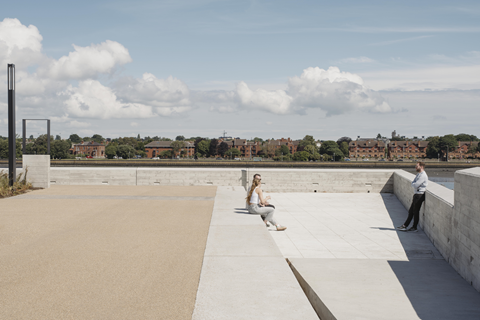
As part of EuroVelo 2 – the Capitals Route, the Greenway contributes to a wider European cycling network, while its flexible public spaces have already hosted outdoor fitness classes and offer potential for future cultural and educational activities. This adaptability allows the Greenway to serve different audiences and purposes throughout the year. Innovation is also reflected in the project’s design and interpretation. Three Discovery Points and high-quality interpretative elements invite visitors to explore the port’s history, operations and natural environment, while biodiversity-sensitive lighting and carefully integrated safety features respond to the needs of wildlife and port operations. The reuse of 19th-century granite, recovered during Masterplan works in Alexandra Basin, as seating at the Discovery Points further connects the port’s industrial heritage with its contemporary public realm.
These elements reflect an approach in which public engagement, environmental considerations and operational functionality were integrated into the design from the outset, allowing the Greenway to accommodate a range of uses within a single coherent landscape.
4. Why do you think your project deserves to win the ESPO Award 2026?
The Dublin Port Tolka Estuary Greenway demonstrates how investment in port infrastructure can deliver lasting value for both the port and the city. Combining coastal resilience with public access and community benefit, the project reflects a broader vision of how working ports can contribute to the places and communities around them. The project is the result of sustained engagement with local residents, cycling communities, elected representatives and organisations, including Women’s Aid. Their perspectives helped inform the development of the Greenway, reflecting an approach to port development shaped by dialogue, collaboration and a commitment to understanding the needs of those who live and work alongside the port.
Since opening in September 2024, the Greenway has welcomed over 380,000 visits, demonstrating strong public uptake. Its development will continue with a second phase along the northern perimeter of the port, while the upcoming Liffey-Tolka Project, now under construction, will provide a new pedestrian and cycling connection between the River Liffey and the Tolka Estuary. Together with Dublin Port’s wider Distributed Museum Network, these projects form part of a long-term programme to improve public access to the port and its maritime heritage, contributing to a planned network of approximately 16 km of walking and cycling routes. The Greenway offers a practical and replicable model for European ports seeking to reconcile their operational responsibilities with wider social and environmental ambitions. Its achievement lies in bringing these priorities together through infrastructure that is already delivering benefits today, while laying the foundations for a more connected port-city relationship in the years ahead.
“The opening of the Dublin Port Tolka Estuary Greenway is an exciting moment for the city. This Greenway lets cyclists from Dublin and further afield see Dublin Bay like never before, whether they’re taking the family out on a Sunday afternoon, walking the dog or cycling down to catch their ferry to Holyhead. This brilliant new amenity is a centrepiece of our Port-City Integration strategy to open up the port to the public and celebrate the rich historical links it shares with the city.”
Barry O’Connell, CEO, Dublin Port Company
The ESPO Award Ceremony and Dinner is taking place with the support of: