





by Robin Russel, CEO SATVA TRUST, for allaboutshipping.co.uk
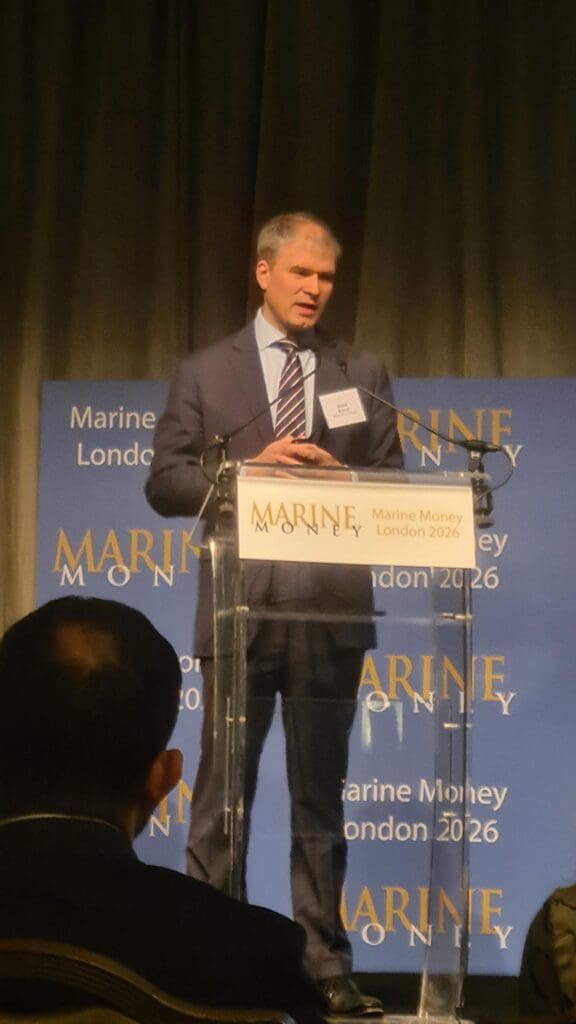
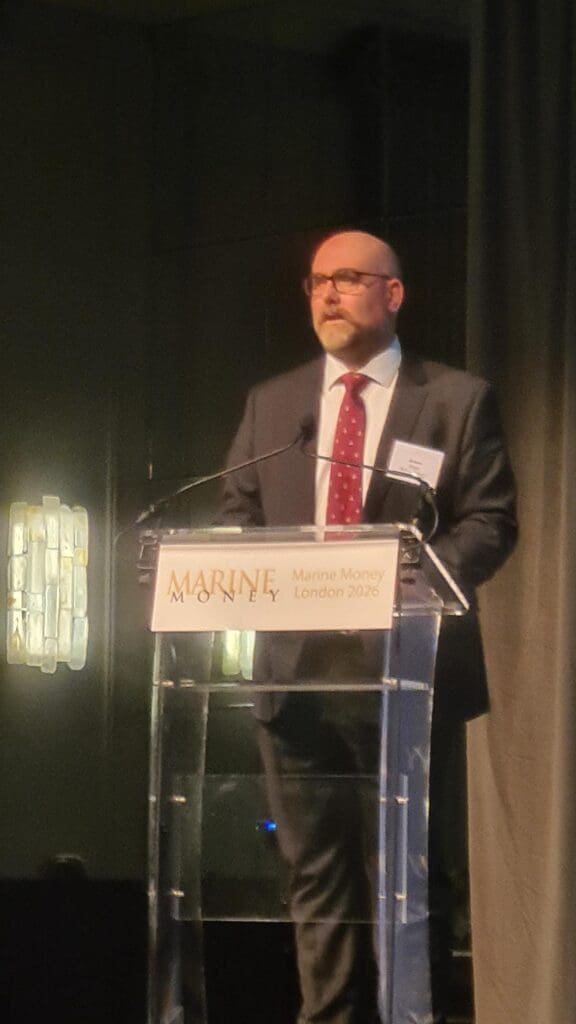
The generationally high availability of credit and decarbonisation were the topics that played centre stage at this year’s Marine Money London Shipping Finance Forum. The 2026 Marine Money London conference at the JW Marriott Grosvenor House on Park Lane, was a fine event attracting over 280 speakers and delegates from some 23 countries. The agenda took the audience on a sweep through the changing patterns of international trade, re-energised geopolitical factors, the state of the shipping market and technology, as well as focusing more specifically on finance with the market share of traditional banks, an IPO debrief and capital solutions. The last panel brought the various strands together for their outlook and guidance.
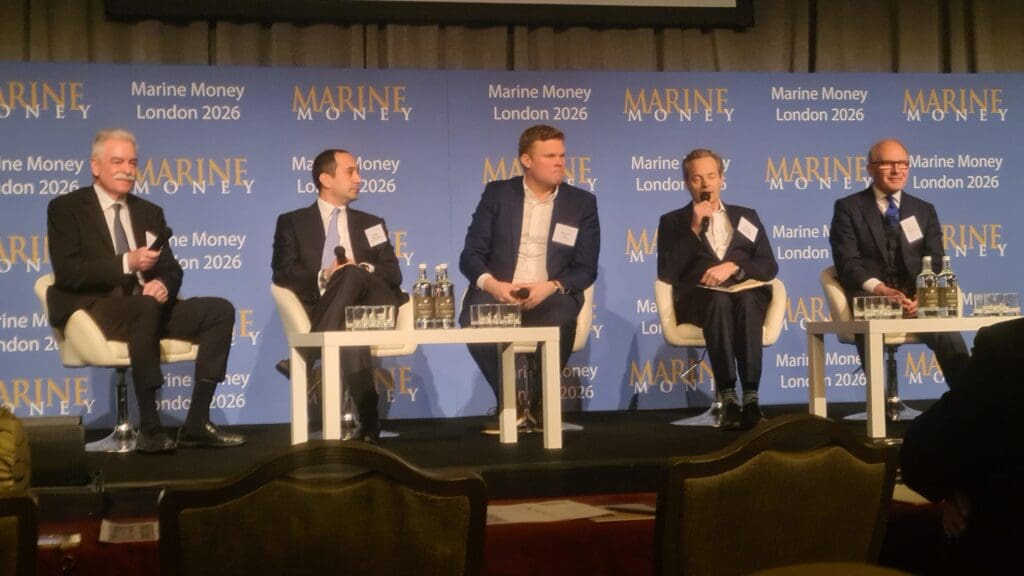
Simon Ward , Director, URSA Shipbrokers, opened the day’s commentary on the huge amount of money available to shipping at the moment, identifying it as the primary reason for increasing prices: it must be deployed, while no one has a strong reason to sell. The availability of capital was underscored by Kai Afflerbach, Managing Director, Frachtcontor Capital Partners GmbH and Mickey Belgrod, Director, Maritime Finance, First Citizens Bank, who highlighted the strength of current competition, including Asian banks beginning to break into the European market. It was generally agreed that traditional banks have regained market share, although Paul Taylor, Global Head of Maritime Industries, Societe Generale CIB, warned to expect higher costs from the big banks as the ‘output floor’ in Basel IV is phased in. In fact, he predicted that banks will increasingly become debt facilitators rather than debt providers.
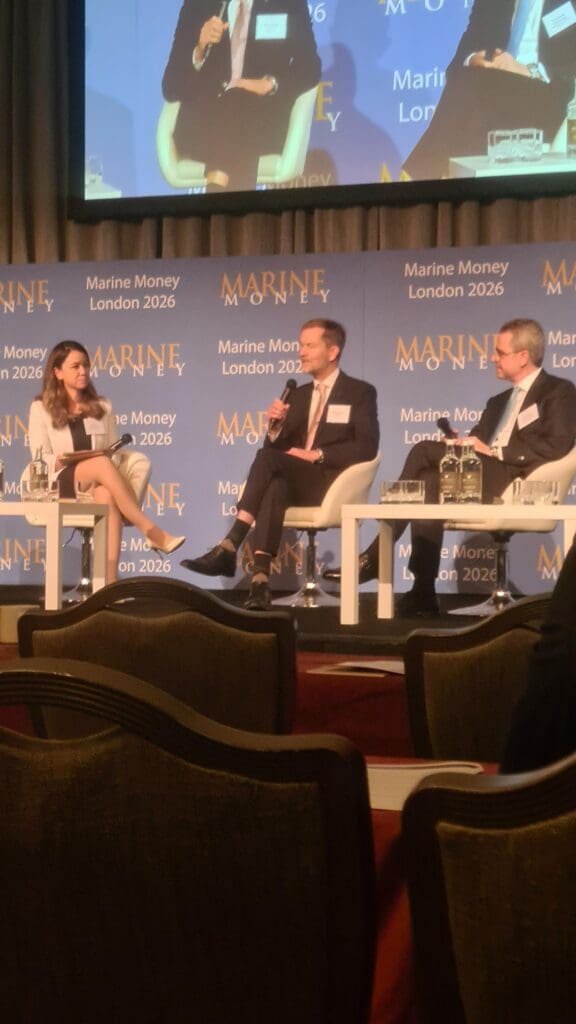
The recent delays to the IMO’s Net Zero Framework were generally seen more as a bump in the road, with decarbonisation a must have in all lending conversations and work continuing behind the scenes, although the lack of regulatory certainty and the technology’s lack of maturity made lending for this a challenge. It may be that eventual regulations are better for the disruption. Michael Parker, Chairman, Global Shipping & Logistics, Citi commented that it’s increasingly cargo interest driving changes as much as regulation, while Dr Marie Fricaudet, Senior Research Fellow, UCL Energy Institute highlighted that their research shows the majority of owners are taking a wait and see approach, planning to retrofit as needed over time. All the talk of decarbonisation came in the context of the aging fleet: it was interesting to see projections from Dr. Adam Kent, Managing Director, Maritime Strategies International, that despite swollen orderbooks 15+ year old vessels will make up just under 50% of the fleet in 2030, up from 40% in 2025. How this near majority will navigate decarbonisation is a topic that deserves more attention and I was sorry this community of capital providers in particular didn’t share what would have been an interesting perspective.
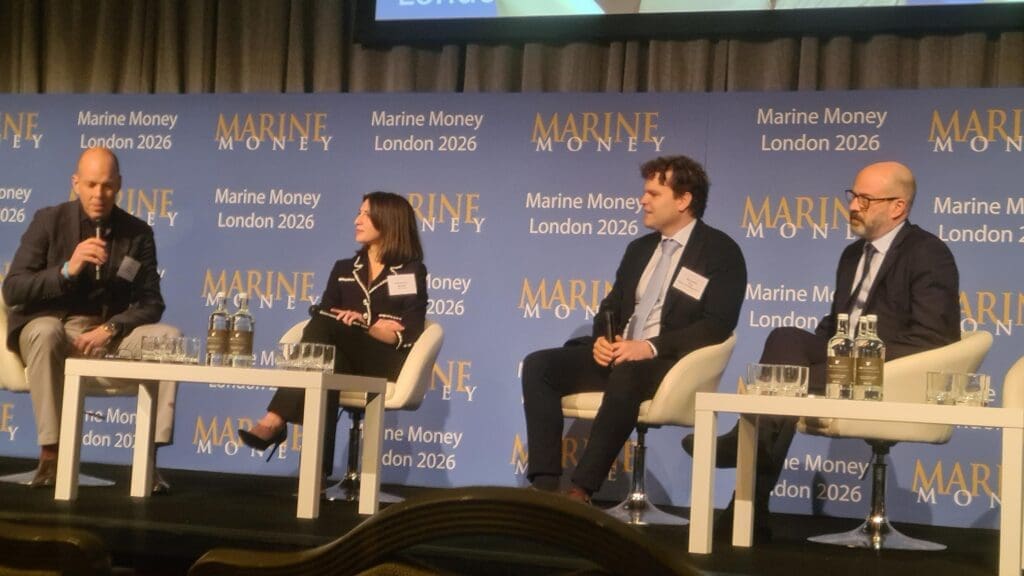
A number of panellists voiced concern about local/regional regimes with different requirements emerging in the absence of a global IMO structure: what Rachel Hoyland, Of Counsel with Stephenson Harwood, calls a patchwork of trip hazards. The EU ETS and FuelEU Maritime are only the first examples of this phenomenon, with the UK and others seemingly to follow. It’s still early days in the implementation of the EU regulations and they aren’t yet properly worked through since we haven’t completed a full cycle. Who will end up paying in practice? Who owns the benefit of overcompliance?
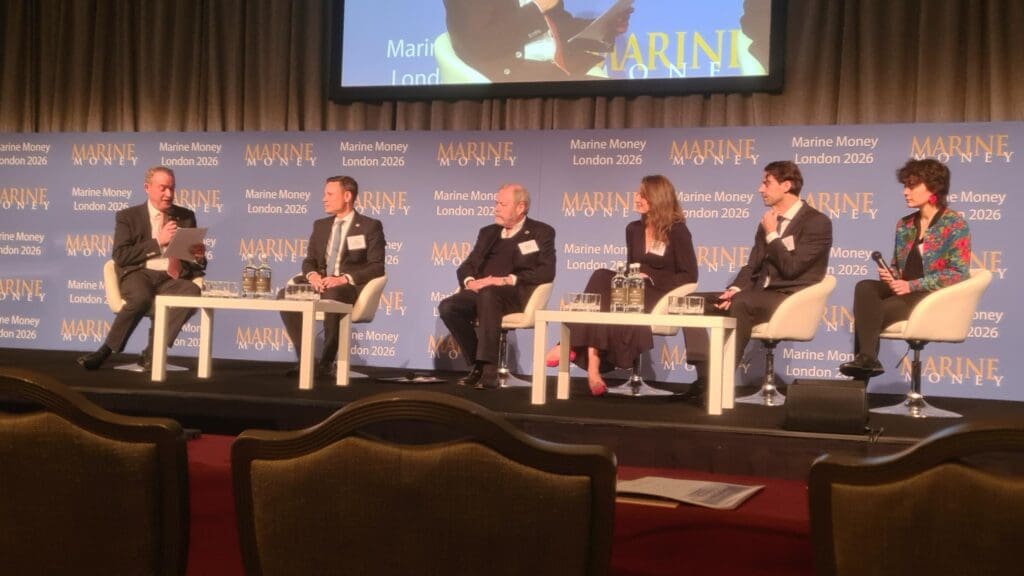
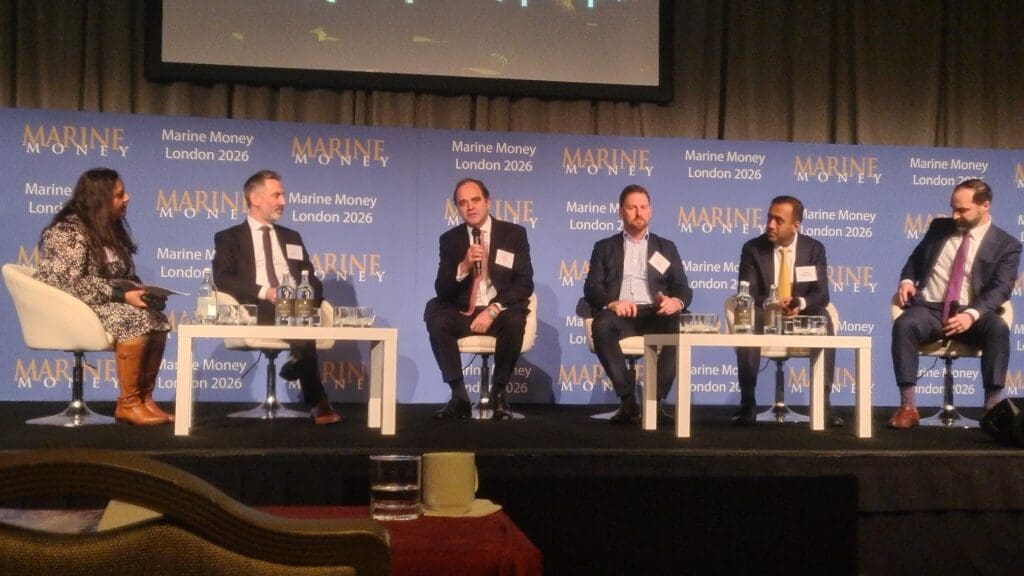
AI technology made a brief appearance, with Lise Duetoft, Chief Strategy, People and Digital Officer, Hoegh Autoliners, underscoring how important the human element is in this area, both as currently the biggest bottleneck to adoption and also as an often overlooked investment need to radically increase training during implementation. Konstantinos Kyriakopoulos, CEO and Co-Founder, DeepSea Technologies reinforced this, stating that in his exerience push back during implementation is usually rational and that 99% of the value from a successful product is developed through working with clients. What drives successful implementation might make an interesting topic for a future conference, since this is the critical driver or destroyer of value in the adoption of AI technology.
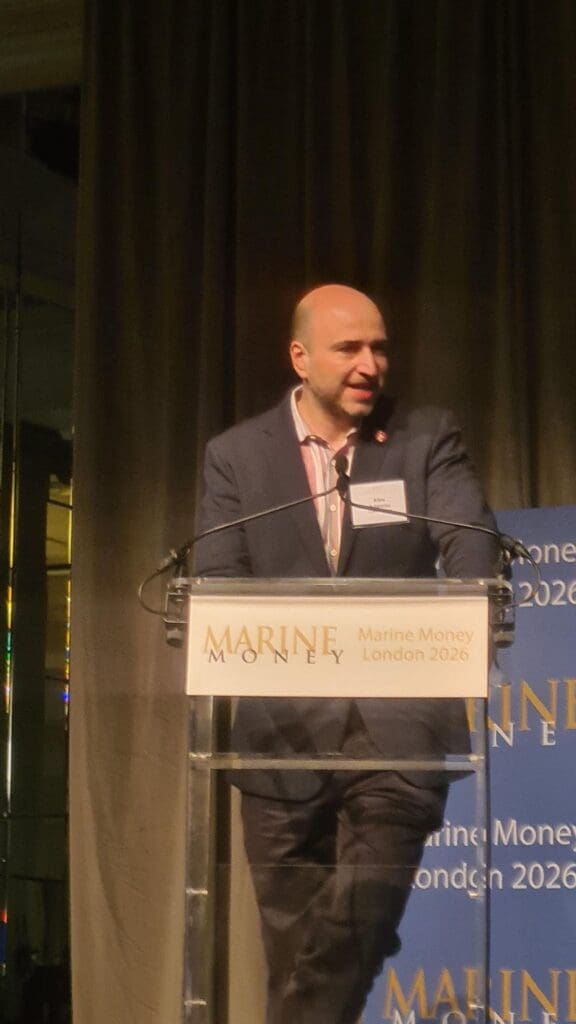
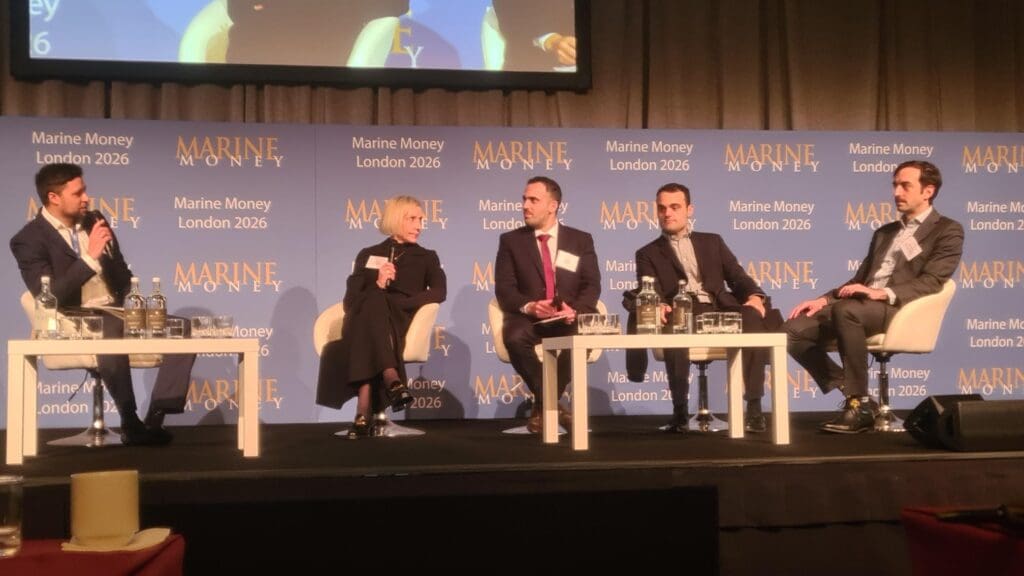
Alongside the formal proceedings of the conference a lot of lively networking took place in the hall next door. On another occasion I look forward to a greater mixing between the topics on stage, the thoughts of the audience and the ideas discussed in the networking room.
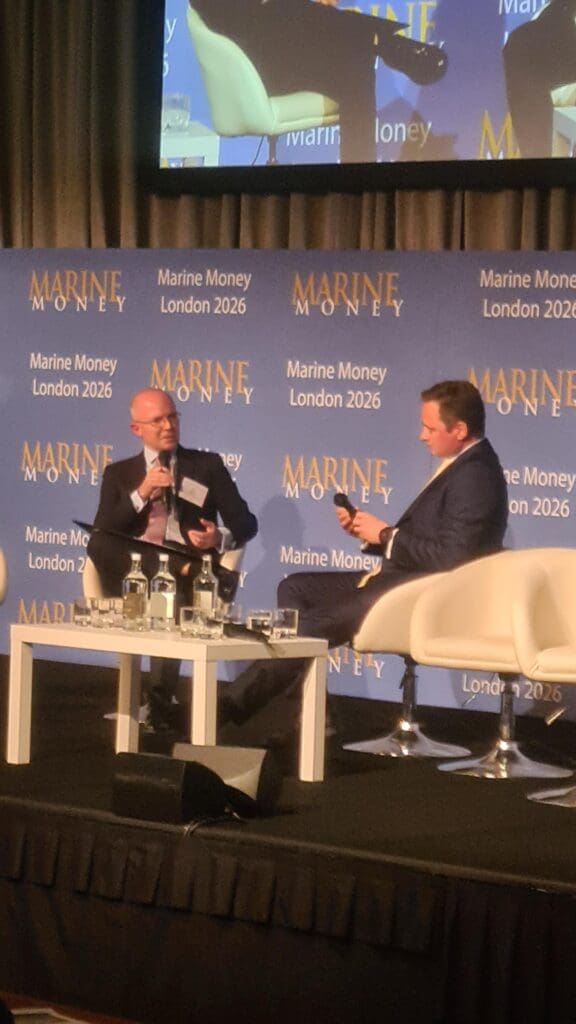
Thanks to the sponsors, both for supporting the event and for their many contributions on various panels during the day. Also to IRI/The Marshall Islands Registry, co-hosts of the evening reception.
The event continues to owe its existence to Kevin Oats, Mia Jensen and their team – congratulations to them on another success!
