





- FTSE 100 opens flat
- Brent crude hovers $110 per barrel as UAE signals leaving OPEC
- Emerging markets stage a recovery
- All eyes on the US – not only the Federal Reserve interest rate decision and conference, but four of the ‘Mag7’ report after hours
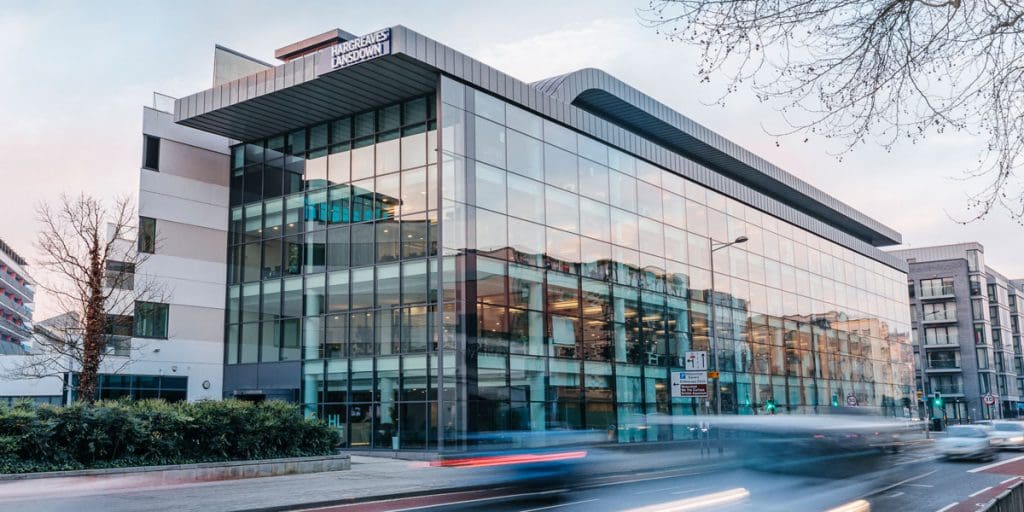
Anna Macdonald, Investment Strategy Director, Hargreaves Lansdown:
“The FTSE 100 opened flat this morning, despite a flurry of news, first quarter trading statements from blue chip stalwarts such as AstraZeneca, Lloyds and Prudential.
The UAE has confirmed its departure from OPEC, a move that has been anticipated for some time, though the timing is notable. As one of the few producers within the cartel capable of rapidly scaling output up or down, the UAE has long been a strategically significant member. However, its ambitions have increasingly diverged from those of Saudi Arabia, OPEC’s dominant force. Riyadh has consistently favoured supply restraint to support elevated prices and meet its substantial fiscal requirements. The UAE, a smaller but wealthier nation accounting for approximately 3.5% of global supply, would like to prioritise higher production volumes and a faster transition away from hydrocarbon dependency in preparation for a post-carbon economy. This strategic divergence has ultimately proved irreconcilable.
Despite the news, oil prices have remained broadly flat this morning, prices nonetheless remain well elevated relative to historical norms. The blockade of the Strait of Hormuz continues to be a significant overhang, and US-Iran peace talks appear to have stalled. Issues spread beyond the oil price itself: it’s about LNG, availability of refining capacity and the ability to ship vital supplies to several sectors such as helium for semiconductors, urea and ammonia for fertilisers for the agricultural sector.
Emerging markets have staged a sharp recovery from March lows, rising more than 15%. This is driven largely by the strong performance of the major semiconductor and memory chip manufacturers. TSMC, Samsung, and SK Hynix have become central beneficiaries of the ongoing AI investment boom, and now collectively represent around a quarter of the MSCI Emerging Markets benchmark. Between them, they have accounted for approximately half of the index’s recent rise, with TSMC up over 25%, Samsung up 32%, and SK Hynix gaining an exceptional 60%. This is a marked turnaround from the sell-off these stocks experienced in the immediate aftermath of the outbreak of hostilities.
S&P 500 futures are also trading flat this morning. The Federal Reserve is due to deliver its latest interest rate decision today, with no change widely expected. The inflation picture remains uncertain, progress had been encouraging prior to the escalation of conflict in the Middle East, but the situation has since become more complex. The Fed, in common with other major central banks reporting this week, including the Bank of England tomorrow, is expected to hold steady until greater clarity emerges. The longer the conflict persists and the Strait of Hormuz remains disrupted, the more pronounced the inflationary pressures are likely to become. I’ll be listening out for Powell’s comments on this and any concerns on what central bankers call ‘second round effects’ from higher prices – that’s when they worry about higher costs feeding into higher wages and inflation becoming more embedded. It’s expected to be Powell’s last as Fed chair.
Today marks a significant moment in the US earnings calendar, with four of the so-called Magnificent Seven technology companies due to report: Alphabet, Amazon, Meta, and Microsoft. Given the outsized weighting of these companies in the index, and the enormous capital expenditure they have announced to build AI capabilities, these results will be closely watched by investors globally.”
Matt Britzman, senior equity analyst, Hargreaves Lansdown:
“The bar for Big Tech is no longer just about proving AI demand is real – investors want to see it translate into upgrades. For the hyperscalers, that means some combination of revenue beats, faster AI-led cloud growth, stable 2026 capex plans, and signs that margins can hold up despite the investment surge.
Alphabet’s update should test whether AI is helping Search engagement without hurting ad monetisation, especially as Gemini and AI Mode change how users interact with results. Cloud will also be in focus, with investors looking for strong AI-led growth, customer wins and proof that heavy capex is supporting returns rather than just adding margin pressure.
AWS is likely to do much of the heavy lifting in Amazon’s results, especially as AI demand continues to reshape cloud spending. Amazon has pointed to roughly $200bn of capex this year, mostly aimed at AWS infrastructure, but investors still want more evidence that this spend can support growth, cash flow and margins as depreciation rolls through.
Microsoft has been out of favour of late, but today’s results should give another read on how well AI and cloud spending are translating into growth. Azure remains the headline act, but Copilot adoption in Office 365 is an important signpost for whether AI can shift from a cost headwind to a revenue driver over time.
AI is adding fresh momentum to Meta’s core advertising engine, with better targeting helping support pricing, volumes and engagement. Investors have been willing to tolerate heavy AI spend while the ad engine is firing, but they will still want signs that infrastructure investment is improving monetisation and efficiency rather than simply lifting the cost base.”
