





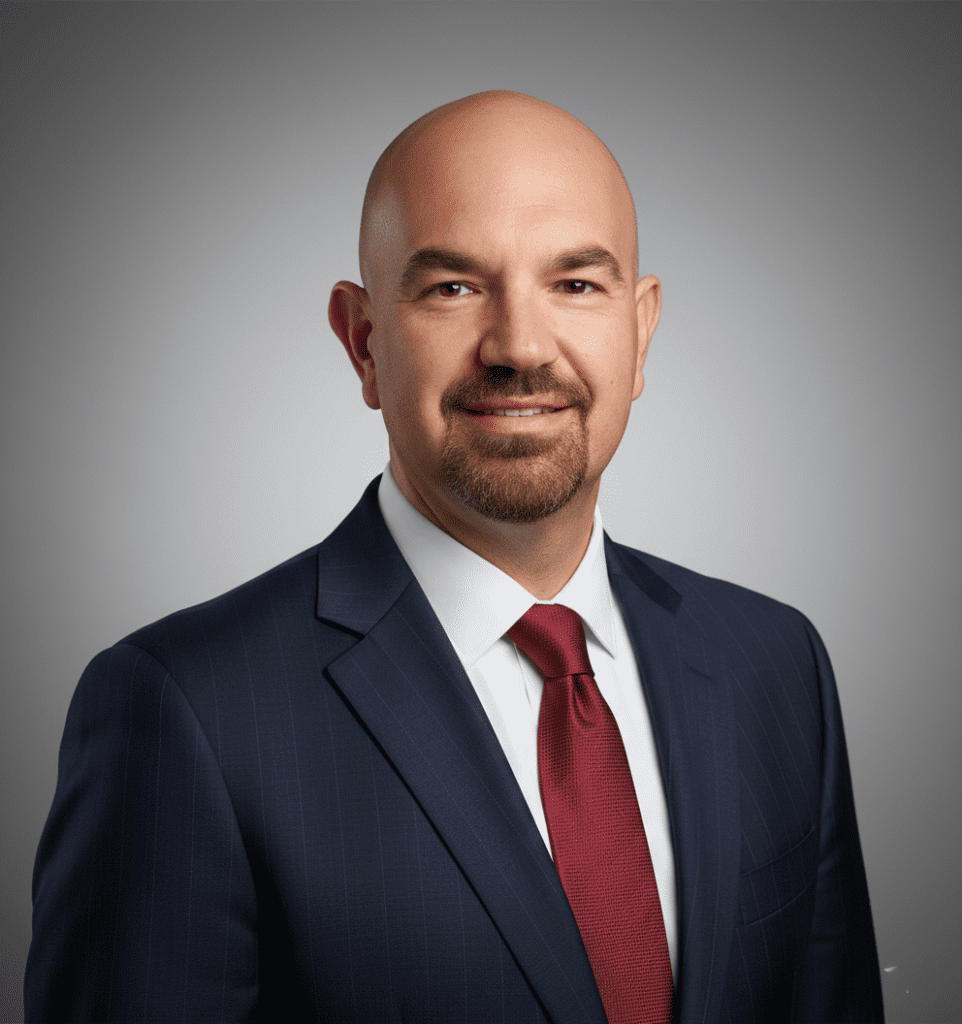
by Capt. George Papanelopoulos, PhD, AFNI, Head of Vetting, Training & Development, Cyprus Sea Lines Co Ltd
The maritime industry is undergoing one of the most significant periods of transformation. The role of the vessels captain, once centered around navigating, maintaining the vessel and seamanship has expanded into a complex blend of technical expertise, regulatory awareness, digital competence, environmental stewardship and strategic thinking. In this evolving landscape, persuing a postgraduate degree is no longer simply an academic persuit, it has become a strategic investment in professional relevance, capability and leadership.
Global shipping is changing at a pace few could have predicted when I went to sea a generation ago. Digitalization, automation and data driven operations are becoming integral to the way a vessel is managed and how voyages are conducted. Concepts such as smart vessels, integrated bridge operations, predictive maintenance and shoreside fleet monitoring have reshaped the traditional boundaries of a captain’s role.
Where a captain once relied on experience and intuition, now must interpret real-time data, manage cyber and physical threats, commercial pressures and the wider regulatory landscape that support vessel operations. This shift requires advanced analytical and managerial skills, skills postgraduate study is uniquely positioned to develop.
Modern seafaring careers tend to be shorter than in past decades. Officers often transition ashore earlier, motivated by family commitments, lifestyle or expanding opportunities on land. It is essential for these professionals to equip themselves with qualifications that support long term, sustainable careers, whether onboard or ashore. Education is the foundation of adaptability. As ships become more sophisticated and the regulatory landscape becomes more complex it is essential that officers are not only capable of operating within these systems but also to understand why they exist and how to influence them. A postgraduate degree strengthens critical thinking, exposes you to different perspectives and fosters the ability to think outside the box.
Experience at sea gives us judgment.
Education gives us perspective.
Let me ask you this, how many of us truly understand the economic reasoning behind slow steaming? The financial risks behind a newbuilding order? The legal exposure behind a deviation claim? A postgraduate degree provides that bridge to understanding. It offers academic depth, critical reasoning and a broader perspective that both ship and shore employers increasingly expect.
From Doing the Job to Understanding the Business
When you pursue a Master’s degree in Shipping Management, you begin to see shipping not just as a vessel moving from port to port, but as a global business ecosystem.
You learn how freight markets really work. You understand why charter rates fluctuate. You analyze investment decisions. You study maritime law beyond the basics. You examine sustainability strategies and the financial realities behind decarbonization.
As a captain, I can say this: when you understand the commercial side of shipping, you become a stronger leader on board. You communicate better with operators. You interpret instructions with clarity. You understand how decisions align not only with safety, but with strategy.
And if one day you choose to step ashore, you are no longer starting from zero.
Preparing for Life After Sea
Let us be honest, a lot of us will not spend our entire lives at sea. At some point, family, health, or simple time will call us ashore.
The transition from sea to shore is not always easy. Many excellent captains and chief engineers discover that experience alone does not automatically open doors to superintendent and managerial roles. Companies today look for academic qualifications alongside sea time.
A Master’s degree demonstrates commitment. It shows that you can think analytically, manage complex information, and contribute beyond operations.
Roles such as superintendent Marine & Tech, fleet manager, operator, chartering and crew executive or even positions in maritime administration, Human Resources, Legal, insurance and finance become far more accessible when practical experience is supported by postgraduate education.
It is not about replacing sea time. It is about strengthening it.
Leading Through Change
Shipping is entering one of its most challenging periods in history. Decarbonization targets are reshaping vessel design and operations. Digital systems are transforming navigation and maintenance. Geopolitical tensions are shifting trade patterns overnight.
The next generation of maritime leaders must be able to navigate not only oceans, but uncertainty.
In command, we are trained to think ahead: “What if?” Postgraduate study sharpens that instinct and applies it to the business side of shipping.
Lifelong Learning Is Part of Seamanship.
As seafarers, we already believe in continuous learning. We update certificates. We attend refresher courses. We adapt to new equipment. Enrolling in a Master’s degree is simply the next step in that same professional mindset.
It does require some time, effort, discipline. But no more than what we have already given to earn our ranks. Today, many programs are designed to accommodate active seafarers through distance learning. Is it demanding? yes, but so is our job!
And the reward is not just a title. It is confidence. It is credibility. It is readiness for the future.
A Message to Younger Officers
If I may offer advice to the next generation: do not wait until you are ready to leave the sea to start preparing for what comes next.
Invest in yourself while you are still sailing. Expand your understanding of the industry that you serve. The sea will always teach you humility and resilience. A Master’s degree will teach you strategy and vision.
Together, they make a complete maritime professional.
I remain proud to call myself a seafarer. The bridge is still where I feel comfortable and confident. But I also recognize that our profession is evolving rapidly.
The seafarer of today must be more than technically competent. We must be commercially aware, environmentally responsible, and strategically prepared.
Continuing our development through a Master’s degree in Shipping Management is not about leaving the sea behind. It is about honoring it by ensuring that those who understand vessels from the inside are also shaping the future of shipping from the outside.
Fair winds and following seas — and never stop learning.
——-
*This article was developed following my conversation with Dr. Somiyeh Djavanroodi of the Nautical Institute, to whom I am very grateful.
