





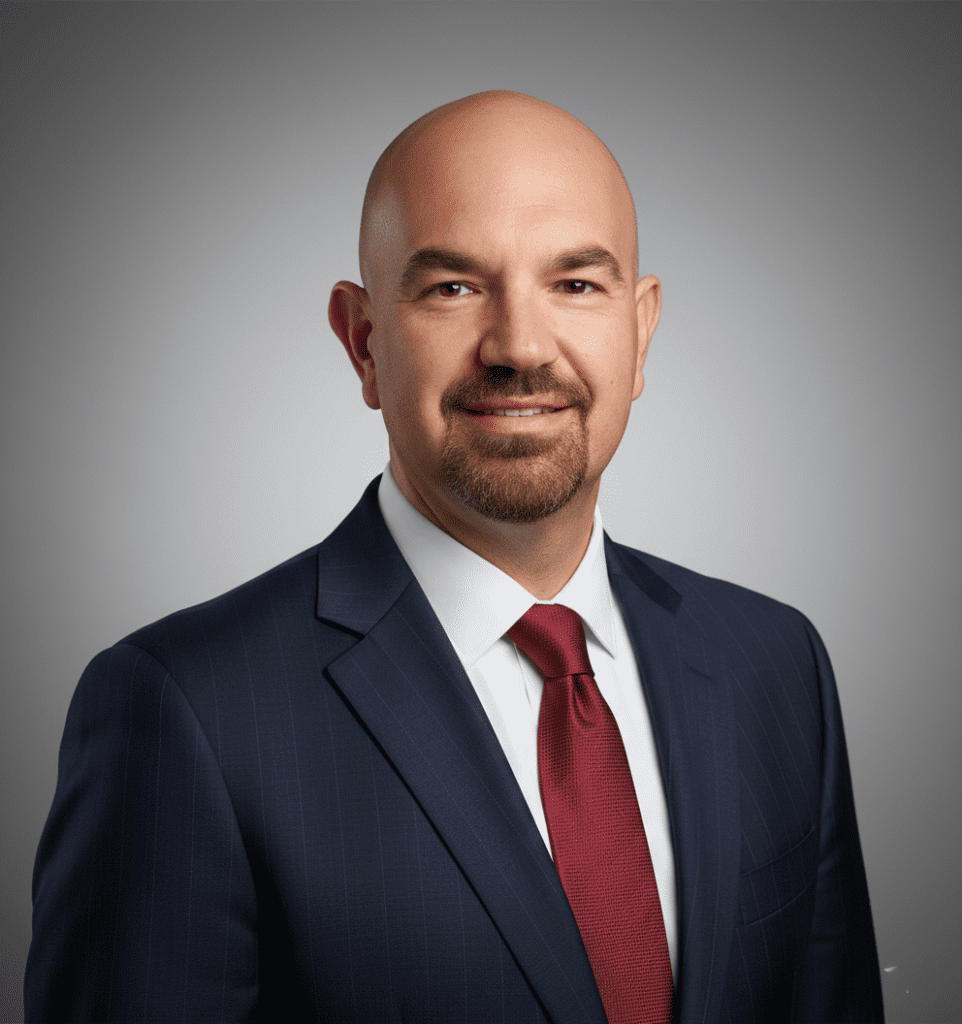
By Capt. George Papanelopoulos, Master Mariner, PhD, DBA, AFNI
During my years at sea, I had the privilege of serving in various ranks before eventually taking command as Master. Like many Masters, I spent countless hours dealing with navigational challenges, weather routing, cargo operations, inspections, audits, trainings, drills and the endless demands of daily shipboard life.
After coming ashore and moving into management roles involving vetting, compliance, crew, training, and safety oversight, I gained a different perspective on the industry. I began reviewing incidents, claims, disputes, inspections, and investigations involving vessels from all over the world. Looking back, I realized that some of the most significant decisions a Master makes are not necessarily on the bridge. Many of them are made while sitting at a desk with a document in front of him and a pen in his hand.
One subject that, in my opinion, does not receive enough attention is the importance of the Master’s signature.
When I was sailing, I often viewed navigational decisions as the ultimate responsibility of command. Today, after reviewing a lot of cases from ashore, I have come to appreciate that a signature can sometimes carry consequences just as serious as any navigational decision.
To many people outside shipping, signing a document may appear to be a routine administrative work. For a Master, however, a signature can have legal, commercial, and personal implications that may not become apparent until months or even years later. What appears to be a simple formality today may eventually resurface as evidence in a cargo claim, charter party dispute, arbitration proceeding, or regulatory investigation.
Throughout my career, I have seen Masters being asked to sign documents they were uncomfortable with, documents containing information they could not fully verify or even fully understand, and documents presented under considerable time pressure. The explanations were often, familiar to many of us :
It’s only a formality, Everyone signs it, We cannot delay the vessel, It is only a standard form, The charterers require it, There is no problem, It is only for record purposes.
In my experience, whenever a document requires persuasion before signature, caution should immediately increased.
Sometimes nothing happened. In other cases, those signatures became central pieces of evidence in disputes involving substantial financial exposure.
That experience taught me a lesson I still share with Masters today: never underestimate the value of your signature.
When a dispute arises years later, courts, arbitrators and investigators do not examine verbal assurances. They examine documents, and documents have a remarkable ability to survive long after memories have faded.
More Than Just Ink on Paper
A Master signs a “million” documents throughout a contract. Bills of lading, statements of facts, cargo documents, declarations to authorities, survey reports, letters of protest, terminal paperwork, customs forms, bunker surveys and numerous other records and logs all require a signature at some point.
What makes this challenging is that not all signatures carry the same significance. Some documents merely acknowledge receipt of information. Others confirm that specific facts existed at a particular time. Some may create contractual obligations, while others may later be interpreted as admissions of responsibility or liability.
The difficulty is that the distinction is not always obvious.
A Master, waking up for an issue, during cargo operations at three o’clock in the morning rarely has immediate access to lawyers, claims specialists, or chartering experts. Yet the decision whether to sign often cannot wait.
Ultimately, that responsibility rests with the Master.
The Value of Reservations and Remarks
One of the most effective tools available to Masters is the careful use of remarks, qualifications and reservations.
A handwritten note may appear insignificant at the time. Later, it may become the most important line on the document.
Statements such as:
Signed under protest, Without prejudice, Cargo quantity unknown, Contents not verified, Without admission of liability, or specific factual observations may significantly strengthen the Master’s position.
However, remarks should never be used as a substitute for accuracy.
If a document is fundamentally incorrect, adding a brief comment may not cure the problem. In such cases, amendment or refusal may be the safer course of action.
The objective is not to create legal protection through clever wording. The objective is to ensure that the document accurately reflects reality.
Can a Master Refuse to Sign?
Legally, the answer is straightforward: yes.
In practice, however, the situation is often far more complicated.
A Master not only has the authority but also the duty to refuse signing a document that contains inaccurate information or attempts to impose obligations beyond his authority.
I remember one particular loading operation in South America where I was presented with a document containing a commencement time that I knew was incorrect. The explanation was that changing the time would create commercial difficulties ashore. I refused to sign and requested that the document must be amended.
The discussion became uncomfortable. Commercial pressure appears. Cargo operations were delayed, several people were unhappy, and considerable pressure was applied to resolve the matter quickly. However, months later the same document became part of a charter party dispute. Had I signed it as originally presented, the owners’ position would have been significantly weakened.
That experience reinforced something I have always believed: delays can be shared among many parties, but the signature belongs to only one person.
Once your name is on the document, explaining why you signed it becomes far more difficult than refusing it in the first place. In the end, cargoes are discharged, voyages are completed, and commercial pressures fade. Documents remain. So does the Master’s signature.
The sea may test a Master’s skills, but a signature tests his judgment.
The Importance of Shore Support
One of the positive developments in modern shipping is the increased availability of shore-side expertise.
When I first went to sea, communication options were limited and decisions often had to be made independently.
Today’s Master has access to operations departments, legal teams, claims handlers, P&I correspondents, technical managers, designated persons ashore and senior management.
The challenge is not whether assistance exists. The challenge is whether the Master feels empowered to request it.
A healthy safety culture should encourage Masters to seek advice before signing questionable documents, not after problems emerge.
As someone now involved in training and development, I firmly believe that companies should repeatedly communicate a simple message:
“If there is doubt, stop and ask.”
Few companies criticize a Master for seeking guidance. Many have regretted not being consulted sooner.
Lessons Learned After Three Decades in Shipping
Every document eventually becomes important.
If someone is rushing a signature, there is usually a reason.
Verbal assurances disappear. Documents remain.
Commercial pressure is temporary, legal consequences are not.
A Master’s reputation is built slowly and damaged quickly.
Asking for advice is a sign of professionalism, not weakness.
The most dangerous signature is often the routine one.
Every Master should therefore remember a principle that has served generations of mariners well:
Sign facts, not assumptions.
Record observations, not opinions.
Accept responsibility for your decisions, but never for information you know to be inaccurate.
The remarks are an effective tool, use it.
And when doubt exists, seek advice before the signature—not after the claim.
