





| Situation Report |
| Colombia Earthquake: Port and Maritime Operational Outlook |
| As of 10 Aug 2026 / Information Cut off 13:45 UTC |
Overview:
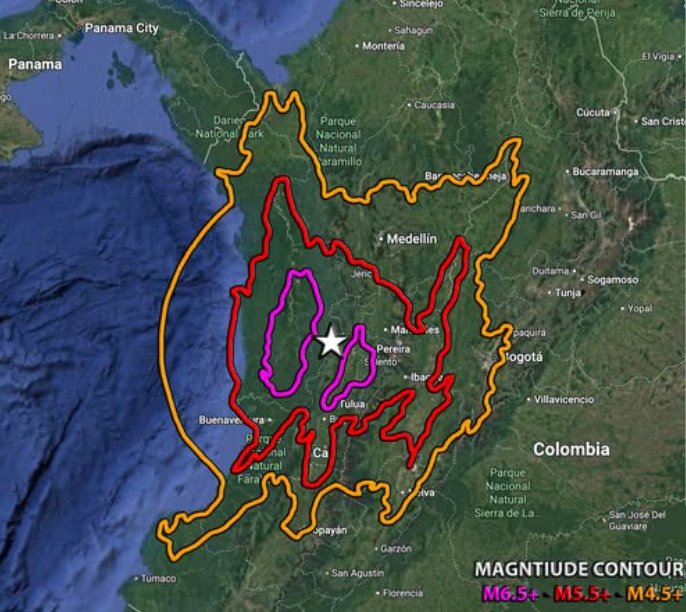
Following the M7.4 earthquake recorded near San José del Palmar, Chocó, on 10 August, Colombia’s principal ports remain broadly operational under an elevated and fast-developing risk environment. No confirmed nationwide port closure or blanket suspension of commercial cargo operations has been identified at the information cutoff.
The overall port risk is assessed as Moderate, rising temporarily to Moderate to High at Buenaventura and along the western logistics corridor, where berth integrity, port services, road access, utilities, and emergency-response capacity require direct confirmation.
Key Points:
Ports requiring priority verification: Buenaventura remains the most operationally sensitive port due to its proximity to the affected western region and reported local building damage. Port status, berth condition, cranes, pilotage, tugs, power, communications, gates, road access, customs, cargo readiness, and emergency-response capability should be reconfirmed immediately before arrival.
Pacific port exposure: Tumaco and other southern Pacific facilities have lower direct exposure than Buenaventura, but remain vulnerable to aftershocks, landslides, road disruption, power instability, communications issues, and short-notice safety inspections. Terminal-specific confirmation remains essential before committing to cargo windows or restricted anchorage periods.
Caribbean port outlook: Cartagena, Barranquilla, and Santa Marta are geographically removed from the main earthquake damage zone, with no direct earthquake-related closure or cargo suspension identified. Their main exposure is secondary, including inland cargo delays, crew-transfer constraints, communications disruption, service-provider limitations, and cargo rescheduling from affected western and Andean areas.
Strategic terminals: Coveñas and Puerto Bolívar currently carry lower direct seismic exposure, but operators should still verify terminal acceptance, pipeline or rail supply, loading-system condition, pilotage, towage, utilities, weather limits, and emergency-response readiness before arrival.
Operational disruption drivers: The main maritime concern is not direct offshore hazard or confirmed port closure, but short-notice disruption from aftershocks, structural inspections, damaged road links, landslides, power or telecommunications outages, reduced staffing, emergency traffic, and landside logistics constraints.
Recommended Action:
Operators with vessels calling or scheduled to call Colombian ports should obtain written confirmation from agents and terminals before proceeding, covering port status, berth integrity, pilotage, towage, cargo operations, terminal staffing, gate and road access, customs processing, shore support, and emergency-departure arrangements.
Vessels alongside should recheck moorings, gangways, cargo hoses, loading arms, cranes, firefighting systems, and emergency shutdown arrangements after any significant tremor. Additional fuel, stores, medicines, schedule margins, and clear delay, diversion, cargo-suspension, and port-skip criteria should be maintained.
Τo Access the Full Standing Risk Assessment – Click Here
