





- In 2024/25, 29% of people had a mortgage, 36% owned outright, 19% rented privately (28% in London) and 16% rented from the social sector.
- The average weekly mortgage payment in England was £242. Outside London, it was £220 and in London it was £375.
- The average weekly private rent was £250. That’s £207 a week outside London and £393 in London.
- Those with a mortgage spent 19% of their household income on mortgage payments, whereas private rent payments, with housing support excluded, were 39% of income.
- In 2024-25, the average age of first-time buyers was 34 – up from 32 in 2019/20.
- Only 58% of private renters ever expect to buy.
- Among those aged 65 and over, 5% are still paying the mortgage and 6% rent.
The Department for Levelling up Communities and Housing has published the initial findings of the 2024/25 English Housing Survey on demographics and household resilience: Chapters for English Housing Survey 2024 to 2025: Headline findings on demographics and household resilience – GOV.UK
Sarah Coles, head of personal finance, Hargreaves Lansdown:
“Renting later in life is becoming far more common – including huge numbers of people stuck in rental properties after they have had children, and some still handing over a huge chunk of their income to a landlord in retirement. Those aged 45-54, made up 18% of households who are privately renting – up from 15% a year earlier. Unfortunately, renting later comes at a horrible cost.
The cost of renting
The rise of mortgage rates in 2024/25 means that on average, people spent more on the mortgage than they did on rent. However, it’s not quite that straightforward, because not only is renting more expensive than a mortgage in London, but when you look at payments as a percentage of income, things change drastically.
Those with mortgages tend to have higher incomes, so on average, people with a mortgage spent 19% of their household income on mortgage payments, whereas private rental payments, excluding housing support, made up an eye-watering 39% of income.
And the costs aren’t just financial. Renters also tend to move far more often, which can cause problems for everyone, especially if rising rents force them into a continual cycle of renting smaller homes, further from work. It also raises issues for the 32% of private renters with children (up from 30% in 2022/23), who risk having to uproot them from school when their tenancy comes to an end.
As a result of the fact that rent is so expensive, tenants have their budgets stretched horribly thin. There’s a real struggle to make ends meet, let alone save for the future, which is one reason why only 52% of them had savings. It makes saving up for a property deposit incredibly difficult.
This reflects the findings of the HL Savings and Resilience Barometer, which found renters were less likely to have money left over at the end of the month, and less likely to have savings to fall back on. On average, they have just £39 left at the end of the month. The resilience gap between renters and owners tends to grow as we get older, which is why Generation X renters have even less – at £28.
Higher rents make it harder to buy
The combination of over-stretched renters and higher house prices means the average age of a first-time buyer has hit 34. It’s hardly surprising it takes so long to save up when you consider that the average deposit (median) was £36,500.
It means the door is closing on all sorts of would-be buyers: only 58% of private renters ever expect to buy. It’s far more difficult to buy alone: only 29% of first-time buyers were one-person households. It also means you need to be a higher earner. People with mortgages are concentrated in the two fifths of people with the biggest incomes.
It means people are making compromises with real consequences. They’re having to pay the mortgage for longer, so of those first-time buyers who had a mortgage, almost two thirds (62%) had a repayment period of 30 years.
They’re also having to buy with a deposit that makes up a smaller percentage of the property value. Over half of first-time buyers (59%) paid a deposit of less than 20%, and 16% paid less than 10%. Unfortunately, borrowing more means facing higher mortgage payments. Meanwhile, owning a smaller stake in the property means that if we face a period of falling prices, more new buyers may risk falling into negative equity.
Support for new buyers
New buyers need all the help they can get, and the Bank of Mum and Dad has been playing an essential role. They (plus other family and friends) helped 31% of first-time buyers onto the property ladder. For those who can afford to help, it’s brilliant to be able to give your offspring a good start in life. It’s also often a far more positive stage to help than the 6% who have had to wait for an inheritance to get them onto the property ladder.
However, parents need to be aware of the costs involved. If they are dipping into the equity in their home, it may well mean paying their own mortgage for longer. If they’re spending their savings, they need to be sure they still have enough for emergencies, and if they’re spending a lump sum from their pension, they need to be aware of the impact on their retirement income. Because while we always want to help our offspring, it’s not going to help anyone if we damage our own financial resilience irreparably in the process.
Some buyers will be able to get support from the government through a Lifetime ISA. The government is consulting on replacing this, but if you already have a LISA and you’re planning to buy relatively soon, topping it up with £4,000 this year will see another £1,000 bonus from the government.”
Renting in retirement

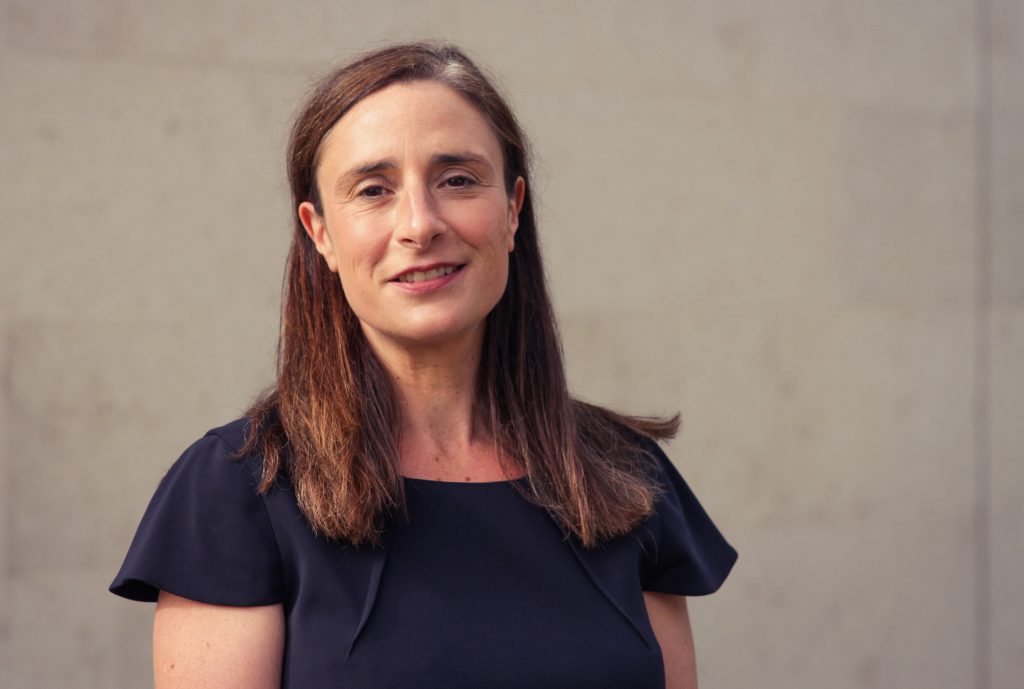
Helen Morrissey (pictured above), head of retirement analysis, Hargreaves Lansdown
“Almost three quarters (74%) of households headed by someone aged over 65 have achieved the retirement dream of owning their homes outright. However. the same can’t be said for the remainder, who enter their older years with housing costs still to pay.
This could have major consequences for their retirement planning. 5% still have a mortgage – this will eat into their retirement savings, but at least there should be some endpoint in sight. However, 6% pay rent privately, while the remaining 15% are in social housing so the rental situation will continue into the longer term.
It’s a situation that is only going to grow as high rents mean people either get on the housing ladder late or not at all, and this means they carry extra housing costs into retirement. Figures from UK Finance shows there were 39,950 new loans advanced to older borrowers in Q3, up 18.4% year-on-year.
It’s a nasty spiral. High rents mean people have less money to put aside for their future. The latest data from HL’s Savings and Resilience Barometer shows just 32% of households who rent are on track for an adequate retirement income compared to 64% of those who own outright. However, the higher costs they need to pay into retirement for their accommodation means they actually need to have more put aside to meet their day-to-day needs.”
