





Brief Update No 25/17 Date: 14 August 2025
STATEMENT
This document has been approved for distribution by SEA GUARDIAN S.G. Ltd / Operations Department. The provided Intel and Information derive from open sources, the Institute for the Study of War (ISW), the Joint Maritime Information Center (JMIC) and United Kingdom Maritime Trade Operations (UKMTO), respective Web Pages and products retrofit the company’s Strategic / Operational and Security situational awareness processes, for risks and threat assessment/impact to the Security of Maritime operations. All rights reserved, “no part of this Risk assessment may be reproduced in any form (electronical, mechanical, paper or other means) without written permission by SEA GUARDIAN S.G. Ltd” which maintain the rights for personal data of this document writers. Under no Circumstances can SEA GUARDIAN S.G. Ltd be held responsible for any loss or damage caused by a reader’s reliance on information obtained by this Assessment, especially on its firms, company’s management or individual decision-making.
Objectives
To provide in a 15-day cycle, the maritime industry and Security Stake or Shareholders with:
- Major maritime security incident summary and analysis in Geo-strategic frame for Operational Security and Security of shipping for the period 28 July – 13 August, 2025.
- Threat assessment updates concerning military operations – terrorism – piracy and cargo theft, smuggling, stowaways, ships fired and crew loses.
- Overview of risk assessment and relevant information, in order to support operational planning and decision as well as the needs for assuredness (impact for insurance or special security needs) after threats and risks Analysis.
- SEA GUARDIAN, pursues innovative approach by analyzing the Maritime Security in accordance with international standards and a certain frame of Geo-policy. Security assessment deals not only with the risks but also with the threats and international security gaps, in order to maintain our clients well informed.
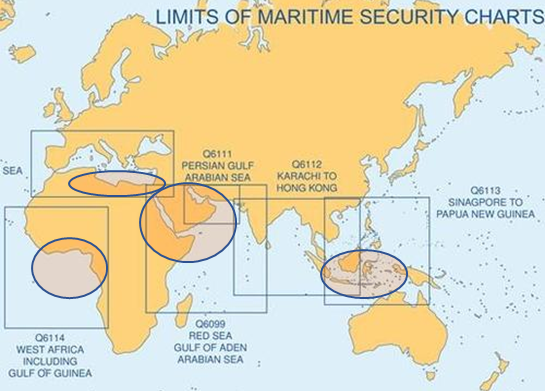
Risk Management | Sea Guardian Ltd Security Consultancy | Sea Guardian Ltd
Political / Strategic-Operational Intel/Info collection “app’s chart snap”
- SEA GUARDIAN have planned and organized the areas / domains of info/intel collection in a systematic method, supported by an app who’s a chart of near-real time map snapshots, available to be provided as a live service, after request:
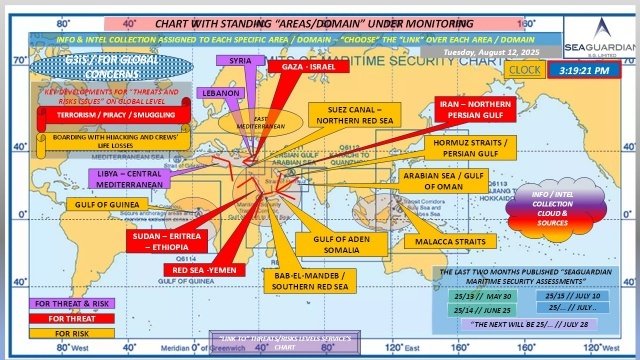
| Make a call or e-mail us for a free trial period: E: intelsec@sguardian.com CY: +357 25 351125 | GR: +30 210 9703322 info@sguardian.com | www.sguardian.com Sea Guardian SG Ltd Intel & Security |
RECENT KEY DEVELOPMENTS
- On July 28, it was stated that Trump administration is spearheading an ambitious, but controversial, peace initiative aimed at ending the long-running conflict in eastern Democratic Republic of Congo that has also drawn in neighboring Rwanda. Its mediation efforts come as no surprise, as DR Congo – a nation in the heart of Africa – is endowed with the mineral wealth that the US requires to power the IT, and now AI revolutions, much of which is currently going to China.
- On July 31, United States President Donald Trump said it will be difficult to make a trade deal with Canada after it announced that it would back Palestinian statehood, following the examples of United Kingdom and France, amid growing international condemnation of Israel’s war on Gaza.
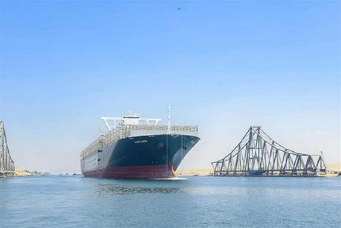
- On July 31, the Suez Canal Authority (SCA) has extended a 15 percent discount on transit fees for heavy tonnage container ships until December 31, 2025. Suez Canal offers 90-day 15% discount on transit fees for large container ships. The extended discount applies to vessels with a net tonnage of 130,000 or more, whether loaded or empty, according to a SCA circular. The incentive, initially launched on May 15 for 90 days, came as a direct response to requests from shipping companies that faced increased costs due to longer routes taken during recent Red Sea attacks. It mainly aimed to encourage major shipping lines to resume using the canal. The decision also coincides with a period of relative stability in the Red Sea region.
- On July 31, was also announced that SCA provides a range of new services, including maritime rescue, ship repairs, and pollution control in a bid to offset economic losses caused by the ongoing Red Sea security crisis. “We are providing new services that we didn’t offer before in response to the current crisis in the Red Sea,” said Osama Rabie, chairman of the Suez Canal Authority, during a press conference in Ismailia, northern Egypt. The new services include maritime rescue, vessel repair, ambulance assistance, pollution response, crew changes, fuel supply, personnel training, and a port for private yachts.
- On August 02, Indonesia has begun releasing hundreds of inmates from prisons, including people convicted of political offences, after a parliamentary approval of President Prabowo Subianto’s first stage wide-ranging clemency plan, reportedly aimed at building national solidarity. A first group of 1,178 inmates were to be released on August 8, after an announcement by the House of Representatives Deputy Speaker Sufmi Dasco Ahmad and Law Minister Supratman Andi Agtas, that Subianto has signed a Presidential Decree granting amnesties.
- On August 02, Aguila Saleh, President of the House of Representatives in East Libya invited the parliamentarians of the House to an official session in Benghazi, to discuss the draft budget law. The House spokesman Abdullah Blihaq explained in a statement that the session was dedicated to discussing the draft state budget law for 2025 and examining several items on the House’s agenda, in a public session.
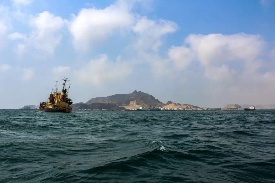
On August 03, at least 68 African refugees and migrants have died and 74 others remain missing after a boat capsized off the coast of Yemen, according to the United Nations migration agency. Abdusattor Esoev, head of the UN’s International Organization for Migration (IOM) in Yemen, told the Associated Press that the boat, with 154 Ethiopians aboard, capsized off Yemen’s province of Abyan.
- On August 03, it was announced that OPEC+ will sharply hike production again in September to finish unwinding its latest tranche of supply cuts in a push for market share, but left a question mark hanging over its future options as the global markets face a mounting surplus. Saudi Arabia and its partners agreed on a video conference to add 547,000 barrels a day next month, thus completing the accelerated reversal of a 2.2 million-barrel.
- On August 03, it was revealed that negotiations involving Israeli teams are ongoing and span three parallel tracks. The first track, mediated by Egypt, Qatar, and Turkey, is attempting to develop a revised framework with Hamas. The second is led by U.S. envoy Steve Witkoff, as Washington tries to strengthen Israel’s position and propose new ideas, despite the lack of progress in Tel Aviv. The third track – seen by Israel as provocative – is spearheaded by Saudi Arabia, France, and several European nations. This group is working toward a political solution that includes recognition of a Palestinian state and the establishment of a governing body for Gaza that excludes Hamas, aimed at accelerating the broader negotiations.
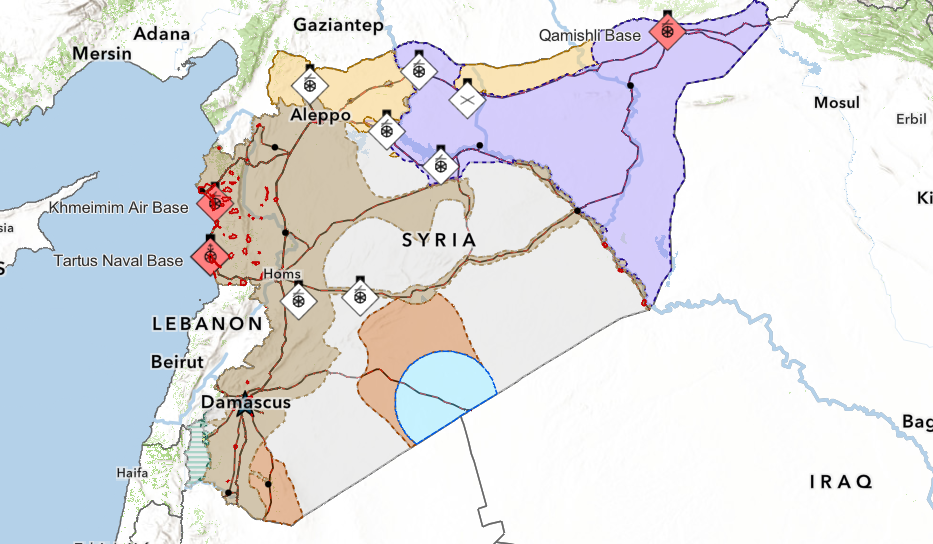
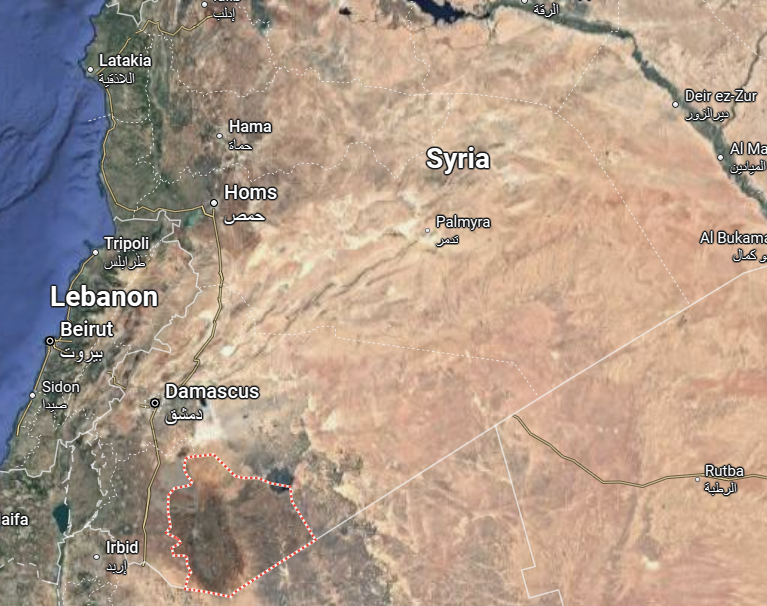
- On August 03, Syrian Internal Security Forces y regained control over several security posts in rural Suwayda that had earlier been seized by Druze armed groups, a security source confirmed. The source, quoted by state media, said that the operation came in response to a coordinated attack launched earlier in the day by members of the al-Hajri faction. The attacks targeted several security points located in Tal al-Hadid, Rimat Hazem, and Walgha, areas positioned in the rugged countryside of the southern province.
- On August 05, hundreds of thousands of people under siege in the Sudanese army’s last holdout in the western Darfur region are running out of food and coming under constant artillery and drone barrages, while those who flee risk cholera and violent attacks. Al-Fashir, the capital of North Darfur state, is the biggest remaining frontline in the region between Sudan’s army and the paramilitary Rapid Support Forces (RSF), under fire at a pivotal point in a civil war, now well into its third year.
- On August 05, the High Council of State (HCS) located in Tripoli Libya has declared the activation of a constitutional court in Benghazi as unlawful and in direct violation of a Supreme Court ruling and the constitutional principle of separation of powers. In a statement, the council said the swearing-in of four judges before the House of Representatives was a “provocative move.” It cited a final Supreme Court ruling from May 2021, which invalidated the 2023 law establishing the court. The council warned that the move undermines judicia
- independence and threatens national unity of Libya, labelling it a dangerous overreach that could fuel institutional chaos.
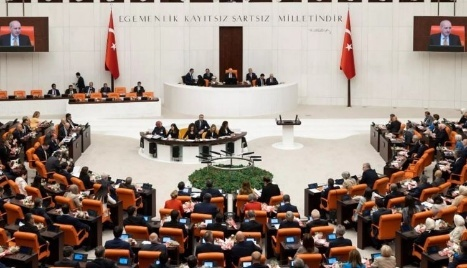
- On August 05, the first meeting of the special committee established by the Turkish Parliament to address the Kurdish issue convened to discuss legal reforms and new legislative measures in response to the disarmament declaration issued by the Kurdistan Workers’ Party (PKK) on Feb 27. According to Turkish and Kurdish media outlets, the inaugural meeting of the committee was held today in Ankara.
- On August 05, Sudan has accused the United Arab Emirates of sending Colombian mercenaries to fight alongside the paramilitary Rapid Support Forces – RSF against the military in the country’s civil war. The foreign ministry said in a statement that the Sudanese government has “irrefutable evidence” confirming mercenaries from Colombia and some neighboring African countries sponsored and financed by Emirati authorities.
- On August 06, another new page in Ethiopia-Somalia ties. Suleiman Dedefo presented his credentials to the Somali President Hassan Sheikh Mohamud, in a sign that relations between the two Horn of Africa neighbors continue to improve. Addis Ababa and Mogadishu had been embroiled in a bitter row prompted by Ethiopia’s quest for sea access through Somaliland, a breakaway region of Somalia. The deal was rejected by Somalia which considers Somaliland its sovereign territory, accusing Ethiopia of violating its territorial integrity. Tensions only eased after Turkey’s mediation.
- On August 07, it appears a new motivation in Indonesia cited a flag-symbol which in the popular Japanese anime One Piece, black flags bearing a skull with a straw hat are carried by a rowdy crew of pirates who have made it their mission to challenge a draconian regime and fight for freedom. For many, they were a response to Indonesian leader Prabowo Subianto’s call for Indonesians to fly their national red and white flag ahead of the country’s Independence Day on August, 17. But the movement has not been well received by all. Earlier last week, the country’s Deputy House Speaker criticized the flag displays, calling it an “attempt to divide the nation”. Another lawmaker even suggested it could be treason.
- On August 07, hundreds of former Israeli security chiefs and diplomats warned Prime Minister Benjamin Netanyahu against proceeding with plans for the full reoccupation of the Gaza Strip. In a statement posted on X, the Commanders for Israel’s Security (CIS) movement – which includes more than 550 former senior officials from the military, Mossad, Shin Bet, Police, National Security Council, and Foreign Ministry – urged Netanyahu “to avoid a hasty decision to occupy Gaza.”
- On August 07, Iran has executed two individuals, one accused of spying for Israel and the other linked to the Islamic State (IS) terrorist group. The executions reported by The Associated Press, citing Iranian state media, in the aftermath of rulings by Iran’s Supreme Court. The individual accused of spying for Israel was identified as Rouzbeh Vadi, while the individual linked to IS was identified as Mehdi Asgharzadeh, according to a report in the Israel National News.
- On August 07BRS Shipbrokers (a distinctive company in UK from 1856) reports that the shadow fleet has been growing by almost 30 ships per month over the past six months. BRS estimates that roughly 18% of the global tanker fleet is now engaging in shadow operations, including around 300 Suezmax and VLCC vessels. Shadow fleet and mainstream tankers transit roughly equally, BRS also finds. In the first six months of this year, 48% of tanker transits were carried out by regular, mainstream vessels. Meanwhile, 40% involved sanctioned tankers from the grey fleet, and 12% involved non-sanctioned grey fleet tankers.
- On August 08, Israel’s security cabinet has approved a plan to seize control of Gaza City, triggering growing international condemnation with world leaders warning of dire humanitarian consequences. The plan to take over Gaza’s largest city was announced a day after Prime Minister Benjamin Netanyahu said Israel intended to take military control of the entire Gaza Strip. Immediate reaction expressed by 20 nations at about plus the Israel’s political opposition party against the occupation, among them the UN and EU while Sweden and Finland just expressed their confrontation (for detailed list and announcements “choose the link, above”).
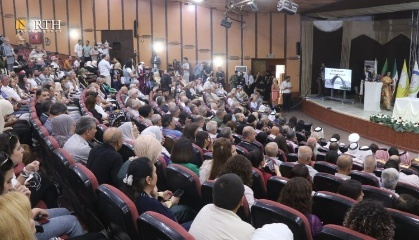
- On August 08, the concluding statement of the “Unity of Components” conference held in Hasakah, northeast Syria, on August 8, 2025, called for the drafting of a new democratic constitution that guarantees political pluralism and fair participation of all Syrian communities. The conference emphasized establishing a decentralized system that respects the cultural and geographic particularities of each region.
- On August 08, Lebanon is ramping up political consultations ahead of an August, 31 deadline for the army to submit its plan to limit all weapons to state control. Discussions are underway between the presidential palace in Baabda, the government headquarters in the Grand Serail, and U.S. officials to pave the way for the second phase of the disarmament process. The US envoy Tom Barrack has praised the first phase of the plan, and Lebanese sources expect him to visit Beirut before the deadline, though no date has been confirmed.
- On August 08, sources revealed that Ethiopian Intelligence Director Redwan Hussein visited Port Sudan, where he met with the Chairman of the Sovereignty Council and the Director of the General Intelligence Service. The two men conveyed the Ethiopian government’s dissatisfaction with the Sudanese army’s actions regarding its provision of logistical support to Tigray forces in exchange for their deployment in areas of eastern Sudan bordering Ethiopia. The Ethiopian official expressed Addis Ababa’s anger and resentment over the Sudanese-Eritrean coordination, support for Tigrayan forces, and their involvement in the ongoing conflict in Sudan.
- On August 08, the Houthis of Yemen have sent warnings to 64 shipowners worldwide, marking a new phase in their campaign against shipping in the Red Sea. According to reliable information, a large number of Greek shipowners are included in the list of 64. With the notifications, which were described as warnings, the Houthis accuse the targeted shipowners of violating the blockade of Israeli ports, stating that these fleets “are now prohibited from passing through the Red Sea, the Bab al-Mandab Strait, the Gulf of Aden, and the Arabian Sea” and may face attacks “wherever they are within range”.
- On August 09, Iran has said it will block a corridor planned in the Caucasus under a United States-brokered peace accord between Azerbaijan and Armenia, which has been hailed by other countries in the region as beneficial for achieving lasting peace. Ali Akbar Velayati, a top adviser to Iran’s supreme leader, said on Saturday that Tehran would block the initiative “with or without Russia”, with which Iran has a strategic alliance alongside Armenia.
- On August 09, Syria’s new government announced that it will not take part in planned meetings with the Kurdish-led Syrian Democratic Forces (SDF) in Paris, as tensions mount between the two sides. SANA’s report (UK special envoy for Syria) cast doubt over an integration deal signed this year by the armed group and Syria’s interim government, which took over after the overthrow of longtime President Bashar al-Assad in December 2024.
- On August 10, European leaders have welcomed plans by United States President Donald Trump to hold talks with his Russian counterpart, Vladimir Putin, on ending the war in Ukraine, but called for continued support for Kyiv and pressure on Moscow to achieve a just and lasting peace. The statement by France, Italy, Germany, Poland, the United Kingdom and the European Commission late on August 9, came as Ukrainian President Volodymyr Zelenskyy insisted that Kyiv will not surrender land to Russia to buy peace.
- On August 10, thousands of Ivorians took to the streets in Abidjan, the capital of Ivory Coast, to protest against the exclusion of opposition leaders from the upcoming presidential election. Ivory Coast, the biggest economy of francophone West Africa, is due to hold a presidential vote next October. Earlier this year four main opposition figures, including former President Laurent Gbagbo and former Credit Suisse chief executive Tidjane Thiam, have been barred from running by the electoral commission.
- On August 10, Khalifa Haftar has allegedly offered to grant citizenship to one million Palestinians in return for greater control over the country’s oil resources, according to Italy’s Nova news agency. Citing an unnamed source, Nova said the proposal has US backing and Turkish mediation. The report also quoted Israeli Agriculture Minister Avi Dichter describing Libya as an “ideal destination” for a plan to relocate about 1.5 million Palestinians from Gaza.

- On August 10, preparations are ongoing for a round of negotiations between the Syrian transitional government and representatives of the Druze community in Suwayda, southern Syria, al-Quds al-Arabi newspaper reported, citing American and Syrian diplomatic sources. The meeting is scheduled to take place in the Jordanian capital, Amman, at the end of next week.
- On August 10, the acting leader of Sudan’s National Umma Party has fired several top deputies, a move that threatens to formally split the country’s largest political party as it struggles with deep internal divisions over the nation’s ongoing war. In a decree dated August 7, acting leader Fadlallah Burma Nasser dismissed three deputies—Ibrahim al-Amin, Mohamed Abdallah al-Doma, and Siddiq Mohamed Ismail—along with a senior assistant and two advisors.
- On August 11, it is stated that major delays and congestion are being reported at major European and US ports as the global supply chain comes under renewed pressure. The situation is attributed to a mix of factors: increased cargo volumes from Asia (a result of the trade war declared by Donald Trump), geopolitical tensions in the Red Sea that have led to re-adjustment of routes, labor shortages, but – in the case of Europe – even weather conditions and changing hydrological data (falling Rhine River level) affecting domestic transport.
- On August 11, Libyan authorities say they have arrested several people accused of stockpiling fuel for smuggling, seizing thousands of liters intended for illegal sale. The attorney general’s office said the fuel had been supplied to some distribution stations before being intercepted. Vehicles and fuel were confiscated, and the premises involved have been shut down. Officials say the arrests followed an investigation into illicit fuel trading in areas under the jurisdiction of the Al Khums and Misrata appeals courts.
- On August 11, three-quarters of UN members have already or soon plan to recognize Palestinian statehood, with Australia on Monday becoming the latest to promise it will at the UN General Assembly in September. The Israel-Hamas war, raging in Gaza since the Palestinian militant group’s attack on October 7, 2023, has revived a global push for Palestinians to be given a state of their own.
- On August 12, Sudan’s paramilitary Rapid Support Forces (RSF) has attacked a famine-hit camp for displaced people in Darfur, killing at least 40 civilians, according to first responders. The RSF stormed Abu Shouk camp on Monday, opening fire inside homes and on the streets, said the local Emergency Response Room, one of hundreds of volunteer networks providing front-line aid since war erupted between the Sudanese army and the RSF in April 2023.
- On August 12, it was announced that the US and China have extended their trade truce for another 90 days, just hours before the world’s two biggest economies were set to raise tariffs on each other. On Monday August 11, US President Donald Trump signed an executive order to keep the pause in place until November 10, while Beijing also announced an extension. It means the US will hold its levy on Chinese imports at 30%, while China will keep a 10% tariff on American goods.
THE GEOPOLITICAL PROFILES & INTERNATIONAL SECURITY
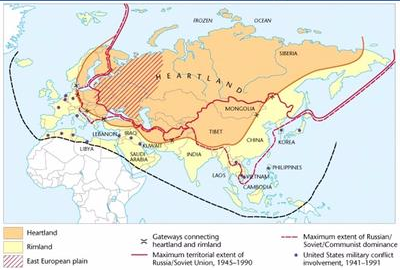
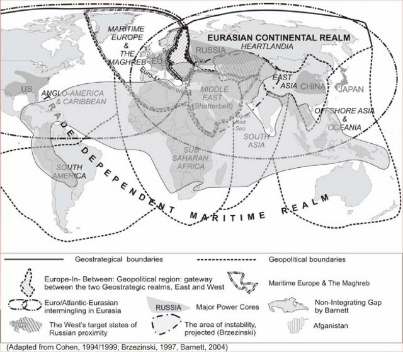
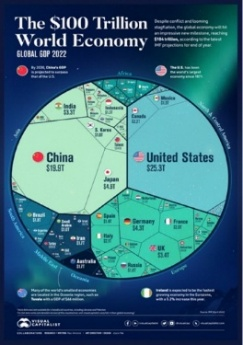
- Geo-political / Geo-Strategic profile: At the end of the previous semester, SEA GUARDIAN, for the first time, estimated through this process that we are likely to move to a new Geo-political vision, that of multi-polarity. There are now indications that the US is leading developments in this direction, from the way it is handling the issues of the conflicts in Russia, the Middle East and the Far East.
- Geopolitical / Geo-economic Profile: There are no significant changes to what has already been reported in the SEA GUARDIAN SECURITY ASSESSMENT 25/16, July 28. The US continues its policy of imposing tariffs, while it appears that a path of understanding and relief of tariffs has been agreed with the EU. However, with the threat of sanctions on states and entities, it will additionally try to control and implement the policy of sanctions against Russia, on its oil exports, trying to isolate it from the international market, through pressure on the states whose shipping serves these exports.
- International Security / Strategic sector: There are no significant changes in the Strategic Security Sector compared to what was described and analyzed in the SEA GUARDIAN SECURITY ASSESSMENT 25/16, July 28. However, the peace process in the Gaza Strip is beginning to create rival coalitions with the rivalry mainly focusing on the creation or not of an independent Palestinian state.
- Global Maritime Security profile: As highlighted in the SEA GUARDIAN SECURITY ASSESSMENT 25/16, July 28, traditional threats to shipping are resurfacing, but with a new “asymmetric profile.” Although the resurgence of illegal immigration does not directly concern shipping but the maritime space in which it operates, this disruption could generate new collateral risks, such as stowaways, criminality due to human trafficking and incidents that could involve shipping in the area. SEA GUARDIAN, once again, points out that the risk analysis should now include the threats and risks as referred in the related sections of this assessment as a single unified set, that can manifest not only in the sea but also in the ports’ alerts. In addition, far from the impact on damages, there is also the psychological impact on the community of shipping labor, naming the possible difficulties of alleviating the consequences after an attack against a merchant vessel, such as the repatriation of the victims/survivors to their countries.
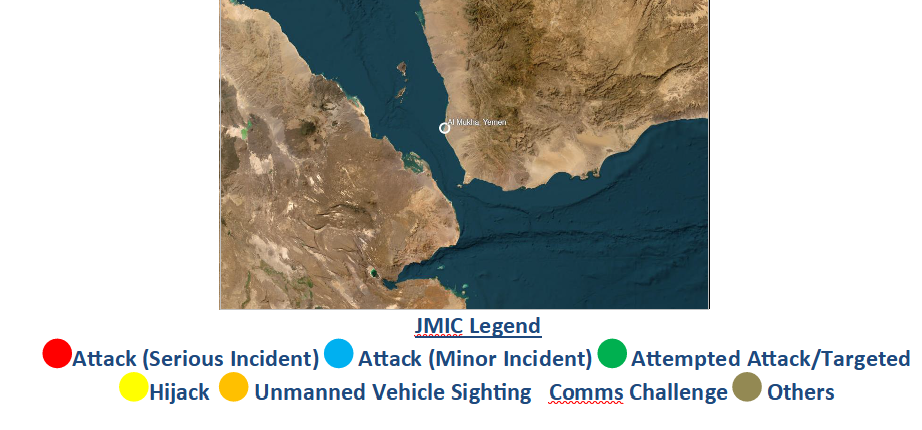
MARITIME SECURITY INCIDENTS: 28 July – 12 August 251
| INCIDENT No | INCIDENT Type | INCIDENT TIME | INCIDENT DETAILS |
1 In accordance to JMIC and/or UKMTO sources
THREAT ASSESSMENT UPDATE:
Military Operations
- Libya continues to be unstable and while it appears that internal conflicts have decreased, possibly due to the period of holding municipal elections, the crisis in achieving a unified government is deepening. The recent announcement of an independent Constitutional Court by East Libya contradicts the principle of the unified existence of the Supreme Court for the entire country.
- It is appeared lately that Haftar tries and plan the international recognition of his governmental scheme through other ways with secret negotiations with Russia, with US oil companies and even to provide availability of giving space for Palestinians’ relocation.
- SEA GUARDIAN estimates that despite international efforts to create a unified state, this is not possible to be achieved, at least in the medium term, while issues of mergers on its southern borders are also being raised.
- Triggers that will influence the escalation or de-escalation of the threat are: conflicts on the borders with Sudan internal conflicts of military and militias, control of inflation, derailment of current transactions and fidelity of banknotes, as well as the deepen of crisis by the separation of supreme level courts.
- Threat assessment due to “military actions” is maintained MEDIUM.
- Recently, and following the normalization of relations between Turkey and PKK, there has been an effort to normalize further the relations between Turkey and the Kurds of Syria. The Syrian interim government, in cooperation with Turkey, is actively participating in this effort, with the distribution of the funds of the International financial aid announced at the end of June of this year as its first priority. The current general image is that of the existence of understanding, while various Kurdish organizations are trying to promote the image of normalization among the populations of Northern and Eastern Syria.
- SEA GUARDIAN believes that there is no progress in the remaining issues with the Alawites and Druze of Western Syria, and especially the regions of Latakia and Tartus, while it is now apparent that the interim government is trying to create a controlled port in a less populated area, as the Druzes area of Suwayda is a focal point for Syrian government to control.
- Triggers that will influence the escalation or de-escalation remains as of SEA GUARDIAN SECURITY ASSESSMENT 25/16, July 28
- The threat assessment due to “military actions” returns to MEDIUM.
Lebanon
- The apparent normalization of the situation in Lebanon and the Lebanese government’s attempt to provoke the international presence as a guarantee of stability described in SEA GUARDIAN SECURITY ASSESSMENT 25/16, July 28, hides the threat of failure to achieve Hezbollah’s disarmament. One of the main differences with Hamas, although they have many similarities between them, is that Hezbollah is much more financially robust, while it has a large stake in the Lebanese government.
- Hezbollah has also the declared support of Iran, which, although it has not been actively involved so far, continues to support the organization, while economic entities and individuals are active in business based on Iran’s economic activities and exports.
- SEA GUARDIAN estimates that at this moment, although the current situation in Lebanon is calm, uncertainty is great and stems from the official state’s commitment to the disarmament of Hezbollah, combined with its refusal, as long as Israel continues its operations against Hamas, as recently stated. Key-time is August 31, the deadline for the Lebanese army to submit a plan for disarmament actions.
- Triggers remain unaltered as in SEA GUARDIAN SECURITY ASSESSMENT 25/16, July 28.
- The threat assessment due to “military actions” is downgraded to LOW.
Gaza-Israel
- At the international level, the Gaza problem is creating coalitions that support different solutions, with the most basic scenarios so far being: The first track, mediated by Egypt, Qatar, and Turkey, attempting to develop a revised framework with Hamas. The second is led by U.S. envoy Steve Witkoff, as Washington tries to strengthen Israel’s position and propose new ideas, despite the lack of progress in Tel Aviv. The third track—seen by Israel as provocative—is spearheaded by Saudi Arabia, France, and several European nations supporting the two states solution. These three tracks lately created coalitions of supporters who strongly or passive follow them contradicting each other.
- The United States is clearly promoting the existence of a sovereign state in the region, within the framework of a new geopolitical vision for a multi-polar system, while the proposal of relocating the Palestinians to another Muslim country has not been abandoned, even if this is not on the negotiating table at the moment.
- UN, whose opinion have several supporters in nations assembly, strongly supports it is achievable an independent state governed by Palestinians without the existence of Hammas. In retrospect, it is keenly contested by experts and some other nations that in an ensued governing Palestinian body for Gaza, Hamas membership in the government could be excluded.
- Indirectly, International community has provided a deadline to Israel for controlling Gaza or achieving its goals, as Australia among the three quarter of UN general assembly members supports the existence of a Palestinian state, following the declarations for Palestinian state’s recognition announcements in the next September’s UN general assembly summit.
- A special permit continues to be required to approach ports in the Gaza Strip or Israel.
- Triggers and risks indicators remain unaltered as in SEA GUARDIAN SECURITY ASSESSMENT 25/16, July 28.
- The overall risk of incidents is “MEDIUM” which is analyzed in: “borderline of terrorism, attempts for piracy, robbery” as “NSR” (No Serious Report) / for “Hijacking, opening fire, crews’ life loses” as “MEDIUM” and for “Cyberattacks, electronic harassment of Nautical aids” as “NSR”.
- The threat assessment due to “military actions” is MEDIUM.
- In addition to what has been reported and analyzed in SEA GUARDIAN SECURITY ASSESSMENT 25/16, July 28, regarding the conflicts in Sudan, the outbreak of cholera, the internal problems in Sudan-Eritrea-Ethiopia, the possible spread of the conflicts to Libya and Kenya, the trend of illegal immigration has also appeared. With approximately 26 million people in a state of starvation, the trend for large waves of immigrants is great, not only to the neighboring countries such as Yemen and Egypt, but also towards Europe.
- Following the death sentence of arrested smugglers by an Ethiopian court, it is apparent that countries are trying to control the situation.
- Particularly for Sudan, the ongoing conflicts in Darfur are worsening the security situation in the country, while there are many cases where civilians have been killed in the midst of conflicts.
- The possible confirmation of the involvement of other countries such as the UAE and Somalia in the internal crisis of Sudan and Ethiopia, if confirmed, will further complicate the situation, significantly increasing uncertainty. The accusation against the UAE, that it is using Colombian mercenaries to engage in the crisis produces other dimensions to its continuation and makes peace difficult, at least in the medium term.
- SEA GUARDIAN estimates that, although the region shows no signs of involvement in attacks on ships or piracy in Sudan and Eritrea, their coasts and ports present risks, the main feature of which is the uncertainty regarding a sudden attack for theft or destroy.
- Triggers that will influence the escalation or de-escalation of the threat are: possible involvement of Kenya and Somalia in the conflicts, fate of the RSF in relation to their possible deployment in Western Sudan, distribution of economic aid, economic stabilization in the Tigray region, restoration of oil transport networks to the ports, political stabilization in all three states. Additionally the involvement of Arabic peninsula countries in the crisis and the re-emerging of humanitarian aid in conjunction with the restriction of immigration.
- The threat assessment due to “military actions” is HIGH.
- For the ports’ security at the most, the overall risk of incidents is considered “MEDIUM”, analyzed as follows: “borderline of terrorism, attempts for piracy, robbery” as “NSR” / for “Hijacking, opening fire, crews’ life loses” is estimated “LOW”. For “Cyberattacks, electronic harassment of Nautical aids” as “NSR”.
- As reported and analyzed in detail in SEA GUARDIAN SECURITY ASSESSMENT 25/16, July 28, the threat from the Houthis has been reactivated with greater ferocity and new methods. However, it is considered that while the repetition of attacks by the Houthis is not very frequent, the ferocity of the attacks last month as well as the manner of the seizure of a ship creates great uncertainty and psychological pressure on the shipping community.
- SEA GUARDIAN estimates that the avoidance of the use of the Red Sea by the Shipping is correct, but conditions of unfair competition are created in freight rates fees between companies/states that have been targeted by the Houthis, consequently forced to avoid Red Sea and those that have not been targeted. This may in the meantime affect the loss of Shipping lines. Despite the correctness of the decision to avoid the Red Sea, in the medium term another approach should be chosen for the next day.
- Additionally, the decision to increase oil production by OPEC+, after September 1, creates the need for more shipping voyages and the issue of unfair competition is likely to intensify.
- Triggers remain unaltered as in SEA GUARDIAN SECURITY ASSESSMENT 25/16, July 28.
- Lessons Learned (due to latest incidents) are: the permanent contact of the shipping company hiring security teams with its top management and the mutual trust between the team leader and the master has to be maintained for all the period the vessel is guarded. High standards have to be followed in the decision-making processes respecting the ship’s master capacity the activate contingency plans and Business impact analysis in case of discoordination of the guarding (such as a ballistic/drone attack difficult to be opposed by small arms) is out of question. The possible changing in Houthis attacking methods not only to destroy but also to attain ships under their internal coast guard rules for ransoms in the form of penalty fees to liberate it, has been already formulated.
• The threat assessment due to “military actions” is HIGH.
- The current situation being appeared since last month, introduces a new risk environment due to the complexity of the attacks. The overall risk of incidents is “HIGH” which is analyzed in: “borderline of terrorism, attempts for piracy, robbery” as “MEDIUM” / for “Hijacking, opening fire, crews’ life loses” as “HIGH” and for “Cyberattacks, but electronic harassment of Nautical aids” is “MEDIUM”.
Israel – Iran / Northern Persian Gulf
- As has been reported and analyzed in SEA GUARDIAN SECURITY ASSESSMENT 25/16, July 28, the internal situation in Iran presents a normality, considering the stability of its government, after the conflict with Israel.
- However, there is no sign of a suspension of its nuclear program. On the contrary, it is proceeding with internal purges and replacement of leading figures in key positions such as its security council leader, while there are signs of re-emerging Iran’s activity on its neighbor external issues, such as the Zangezur corridor of Armenia-Azerbaijan.
- International community, and specifically USA, EU, Israel and UK, have proceeded to impose sanctions against Iran, on individuals and entities. SEA GUARDIAN estimates that for the time being and in the medium term, there will be no other conflict, while any thought of changing its leadership under pressure from the international community seems unfounded.
- Despite this, there is a great uncertainty as it is estimated that Iran will soon return to issues outside its borders, such as the support to Hezbollah in Lebanon, which will create instability throughout the Middle East.
- The “triggers” that could create escalation are: Cyber-attack on critical infrastructure against or by Iran, Security incident directly targeting the International Zone in Baghdad or involving US diplomatic or military personnel and Iran-linked groups, Security incident involving the Houthis and civilian or military vessels/target in the Red Sea or the Gulf of Aden and stalemate in the UN-brokered peace talks on Yemen.
- Threat assessment due to “military actions” against merchant vessels is downgraded to LOW.
- The threat of side-effect from the dense of military operations produces risk levels of the overall risk of incidents as “LOW” which is analyzed in: “borderline of terrorism, attempts for piracy, robbery” as “NSR” / for “Hijacking, opening fire, crews’ life loses” as “NSR” and for “Cyberattacks, electronic harassment of Nautical aids” as “LOW”.
Terrorism – piracy and also cargo theft, smuggling, stowaways
• As reported and analyzed in SEA GUARDIAN SECURITY ASSESSMENT 25/16, July 28, borderline terrorism actions in terms of methods of piracy constitute the next future nature of threats, which suggests a more proactive approach to addressing them.
• There are triggers which would provide warnings for an escalation or de-escalation of the threat/risk level which are as follows:
a. Military/Paramilitary and militias actions in the borderline of terrorism:
– Proliferation of weapons and tactics used not only by Houthi’s but also other military/paramilitary forces in the previous years against shipping, with the scope to demolish shipping track-routes.
– Upheaval of other states by states or political groups, and policies over the control of certain countries.
– Reaction on a new era due to a change of political parties being on states’ leadership or states’ domination.
– Change of geopolitical influenced zones by super-powers or area-powers.
b. The piracy / cargo theft / smuggling / stowaways:
– Unbalanced share of countries’ annual budgets or international aid.
– Upraising of opportunities covered by the blanket of war the previous period.
– Returning on usual trends for the accumulation of money to reimburse political and domination aims for controlling countries’ administration.
– Use of force through more modernized systems and tactics for destroying, smuggling, demolition of shipping track-routes or/and snatching of others’ contracts of shipping.
RISK ASSESSMENT
- In SEA GUARDIAN SECURITY ASSESSMENT 25/16, July 28, the entire region referred to as the “Gulf of Guinea – GoG” has been extensively analyzed for threats/risks, while in the SECURITY ASSESSMENT 25/15, July 10, the most important monitoring objectives have been given in relation to the Gulf states that produces the threat/risk environment in the Gulf.
- SEA GUARDIAN estimates that despite the announcements and statements by official bodies of the states in the region regarding the existence and creation of conditions of great security for shipping activities, the risks to shipping remain as they are triggered by instability within specific states and sporadic uncontrolled groups.
- Recently, the conditions of political instability in Côte d’Ivoire may create internal conflicts at least to the day of general elections, difficult to control, by a government that is keenly contested due to the exclusion of political adversaries in the elections, even if the US seeks stability in the region for specific reasons related to the raw materials needed by its industry.
- In addition, the form of the risk contains great savagery even if it cannot be characterized as classic piracy but as an event of armed robbery. SEA GUARDIAN estimates that while the likelihood of such actions has decreased relatively in the last quarter of the previous semester, the impact is high due to the possibility of crew injuries.
- Indicators which altering the “risks levels” are: each state internal political confrontations, the factor of suffering from famine and public side-faculties, the uncertainty on ports and coastal security control.
- The overall risk of incidents is “MEDIUM”, which is analyzed in: “Borderline of terrorism, attempts for piracy, robbery” as “NSR” (No Serious Report) / for “Hijacking, opening fire, crews’ life loses” as “MEDIUM” and for “Cyberattacks, electronic harassment of Nautical aids” as “NSR”.
Central Mediterranean Sea – Libya
- SEA GUARDIAN estimates that the surge in illegal immigration is a result not only of the war conflicts within the country but also of the surge in inflation, financial system shocks, lack of confidence in the country’s legal and judicial system and deficiencies in the international value of its currency.
- The situation regarding port security control remains as described in SEA GUARDIAN SECURITY ASSESSMENT 25/16, July 28, with the main problem being the precautions that must be taken against actions that could create incidents in a second turn. Mitigation of risks should also include underwater hull control before departure, especially in cases where the ship has remained for a considerable period of time in the approaches to ports in Eastern Libya before its arrival.
- The transport of oil to European destinations is mainly carried out by Western shipping, while we should not underestimate the fact that oil exports to China, although of a small scale, are mainly carried out by Chinese shipping, which, moreover, travels in the Red Sea without major threats and risks. It is estimated that the greatest risk, however, is the loss of Western shipping lines by Chinese companies.
- Indicators which altering the “risks levels” are: the existence of attacks having no-defined whose responsibility was and the limited or non-control of ports security under a unified command.
- The overall risk of incidents is “MEDIUM” which is analyzed in: “borderline of terrorism, attempts for piracy, robbery” as “NSR” (No Serious Report) / for “Hijacking, opening fire, crews’ life loses” as “MEDIUM” and for “Cyberattacks, electronic harassment of Nautical aids” as “NSR”.
- Due to the limitation of conflicts appearance in wide areas on its coast, the threat assessment is downgraded to LOW.
- As analyzed in the previous security assessment, the threats in the Eastern Mediterranean stem from the Israel-Hamas conflict, the instability in Syria and the presence of Palestinians/Hamas/Hezbollah in Lebanon the status of which is listed in the corresponding paragraphs of this security threat/risk assessment.
- SEA GUARDIAN estimates that following France’s proposal for an independent Palestinian state in the Gaza Strip, which finds support, among others from Canada and the UK, creates an upgrade of the risks in the Eastern Mediterranean. The main indicator affected is that of terrorist acts. The uncertainty is created by the possible activation of groups having been inactive until now, as they see that the solution of an independent state is starting to gain supporters at the international level. The region presents additional risks for commercial ships involved in calling at Israeli ports, which is a reason to target them anywhere not only by the Houthis, but also by others in the medium term.
- Indicators that altering the “risks levels”, except those are sourced from the “threats” in Israel-Gaza, Syria and Lebanon described above are: the rules for approaching Israel harbors, the control of Syrian ports by the central interim government, the re-emerging of ISIS activities.
- The overall risk of incidents is “MEDIUM” which is analyzed in: “borderline of terrorism, attempts for piracy, robbery” as “VERY LOW” / for “Hijacking, opening fire, crews’ life loses” as “HIGH” and for “Cyberattacks, electronic harassment of Nautical aids” as “NSR”.
- The threat from military/paramilitary actions on the East coasts of Mediterranean is “MEDIUM” due to the conflicts in Gaza strip and Syria.
- The resurgence of HTS forces to control the Druze area of Suwayda, where they had invaded at the beginning of the previous month, provoking the Israeli military response attacking as far as the outskirts of Damascus in defense of the Druze, appears to be mainly aimed at step by step for creating controlled frontiers with Israel and ports in the Mediterranean.
- SEA GUARDIAN estimates that the risks of attacks on ships in harbors remain high, while so far Israel’s intentions have not been fully revealed, beyond the declared commitment. Israel is estimated to weigh heavily the expansion of its reaction, with the fact that the international community continues to support the interim government in the creation of a unified state, as it does not want a disorganized Syria but a controlled Syria. This ambivalent situation, however, is quite likely to lead to a fragmented Syria in the medium-term future, despite the efforts of the international community.
- Indicators which hampering the “risks levels” are: the positive control of ports, especially those which are in the southern part of Mediterranean coast, the re-arising of paramilitary threats, the IDF involvement in the coastal cities due to the pursuance for them being dominated by HTS and the activities of ISIS groups in the gulf of HTS.
- On the coasts of Syria, the overall risk for incidents is “MEDIUM” which is analyzed in: “borderline of terrorism, attempts for piracy, robbery” as “NSR” / for “Hijacking, opening fire, crews’ life loses” as “MEDIUM” and for “Cyberattacks, electronic harassment of Nautical aids” as “NSR”.
- For the time being, there are no signs of escalation of risks on the Lebanese coast and ports, the uncertainty of a sudden attack on ships in the port is low, and Hezbollah seems to have an interest in supporting a state of normality, at least in the medium term.
- Indicators which altering the “risks levels” are: the progress of Hezbollah disarmament plan, the existence of UN mission forces in the area and the involvement of international factors (US – IRAN) in the Israel-Gaza war.
- On the coasts of Lebanon, the overall risk of incidents is “LOW” which is analyzed in: “borderline of terrorism, attempts for piracy, robbery” as “NSR” / for “Hijacking, opening fire, crews’ life loses” as “LOW” and for “Cyberattacks, electronic harassment of Nautical aids” as “NSR”.
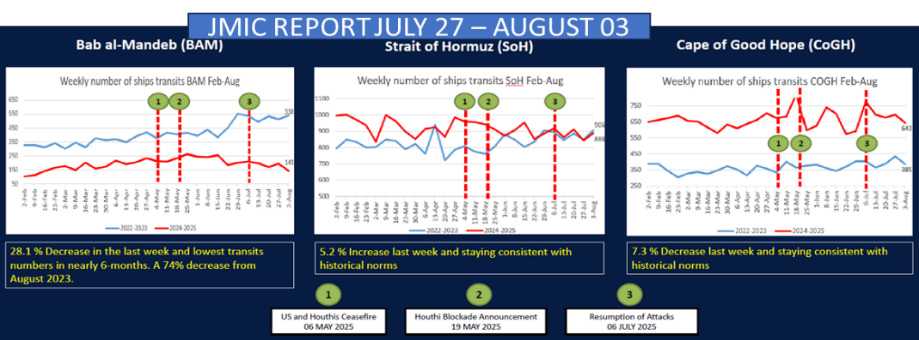
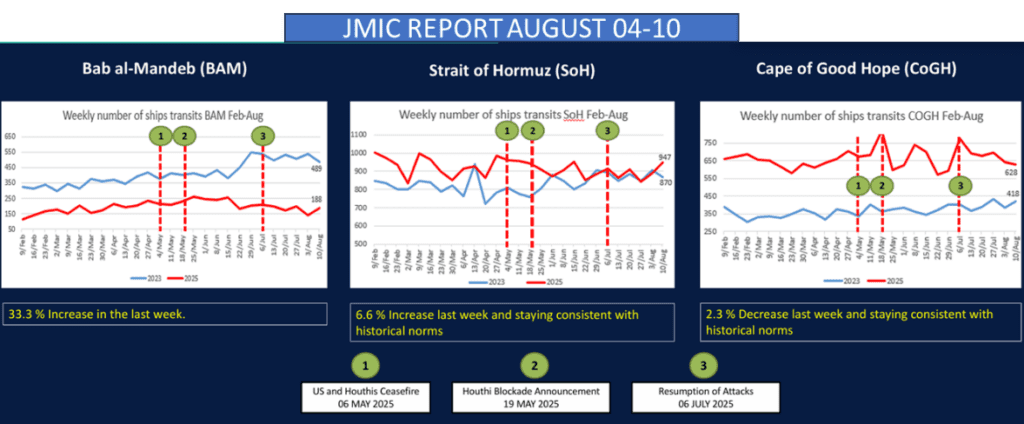
- As reported SEA GUARDIAN SECURITY ASSESSMENT 25/16, July 28 the return of traffic in Suez has not yet normalized and fluctuates constantly, with SCA, trying through international agreements to restore traffic. Thus, after a large increase of 14% in the last week of July, there is a drop of 28% in the first week of August with a return to 33% increase the latest week.
- SCA, extended its offer for a 15% discount on Suez crossing fares and for ships over 130,000, until December 31. It also announced the provision of new services, for the first time including in them maritime rescue, ship repairs, and pollution control, in a bid to offset economic losses caused by the ongoing Red Sea security crisis.
- SEA GUARDIAN advises the shipping industry to constantly weigh the potential for relief and the risk factor, with the risk of losing shipping lines due to competitors of other states, such as China, which are not targeted by the Houthis and whose freight rates will certainly be more attractive, using the Red Sea shipping route compared to the African route, reflecting the law costs of insurance fees, especially when they have European destinations as their port of call.
- Indicators which altering the “risks levels” are: the Red Sea threat and risk level, the war conditions on the Eastern coasts of East-Med, the Jordan level of Security and Suez Canal services factor.
- Due to the uncertainty on the coasts of East Mediterranean, in the Suez Canal and in the Northern Red Sea, the overall risk of incidents is “LOW” which is analyzed in: “borderline of terrorism, attempts for piracy, robbery” as “VERY LOW” / for “Hijacking, opening fire, crews’ life loses” as “LOW” and for “Cyberattacks, electronic harassment of Nautical aids” as “NSR”.
Bab-el-Mandeb Straits – Southern Rea Sea
- Threat assessment due to «actions of war» is MEDIUM, while specifically for the northern region of the straits close to the vicinity of Houthi’s activities has been analyzed in another section (Red Sea-Yemen).
- As has been reported in SEA GUARDIAN SECURITY ASSESSMENT 25/16, July 28, the increased risks of navigation through the straits are not due to any increase in incidents, but to the uncertainty of the occurrence of an attack and the ferocity with which they are carried out, according to the events of July 2025. Having as an opinion the events of July, the risks of ship destruction or capture are those that generally describe the threat environment.
- Shipping traffic in the strait exhibit’s large fluctuations and while in the last week of July 2025 there was a sharp increase, in the previous week the decrease was steep followed by a high increase. However, it is considered that while the recurrence of attacks by the Houthi group is not very frequent, the ferocity of them the previous period, as well as the manner of capturing ships, creates great uncertainty and psychological pressure on the shipping community.
- SEA GUARDIAN is constantly monitoring and examining the evolving situation, it can now provide the information and threat/risk assessment to a subscription service, in the interim times between the publications of this specific assessment, which service also provides its customers a direct contact for further advice.
- Therefore, SEA GUARDIAN advises the continuous monitoring of developments so that the decision to reuse the shipping route for companies that have abandoned it, can be made in the maximum optimum timeframe.
- Indicators which altering the “risks levels” are directly connected with the indicators of other sectors in the Red Sea region and have been analyzed respectively, above.
- The threat from military/paramilitary actions due to the Yemen’s Houthis is “MEDIUM”.
- Due to the unstable situation in the Middle East and the Northern Red Sea (Sudan-Eritrean-Ethiopia) as well as the Houthi’s aggressive behavior,the overall risk of incidents is “MEDIUM” which is analyzed in: “borderline of terrorism, attempts for piracy, robbery” as “MEDIUM” / for “Hijacking, opening fire, crews’ life loses” as “HIGH” and for “Cyberattacks, electronic harassment of Nautical aids” as “LOW”.
- The threat from military/paramilitary actions in the Gulf of Aden is “LOW” due to no-direct relation with the conflict in the area.
- As has been reported and analyzed in SEA GUARDIAN SECURITY ASSESSMENT 25/16, July 28, the possibility that Somali pirates may reveal a new attack tactic with more devastating results and more feasible targets must always be taken into account.
- SEA GUARDIAN advises Shipping in the event that uses this particular maritime route, to make extensive use of the capabilities provided by Maritime Security Companies in the region, even if their ability to deal with a strike by ballistic missiles or drones is non-existent or minimal.
- The overall risk of incidents is “MEDIUM” which is analyzed in: “borderline of terrorism, attempts for piracy, robbery” as “LOW” / for “Hijacking, opening fire, crews’ life loses” as “MEDIUM” and for “Cyberattacks, electronic harassment of Nautical aids” as “NSR”. The previous months’ absence of attacks proposes the corresponding domain as LOW while the capturing of all ship’s attacked, highlights the risk of hijacking e.t.c as MEDIUM.
- As reported in SEA GUARDIAN SECURITY ASSESSMENT 25/16, July 28, the region has not presented any incidents in the last quarter, apart from the high intensity of the GNSS interference, for which the indicator remains high. SEA GUARDIAN advises once again the Shipping Industry to give importance to the issue which combines security and safety risks, since the spoofing, which it is estimated as the most probable, is a breach of security and the possible result of an error in Navigation is a “brake of safety rules”, leading to mis-navigational decisions.
- Indicators which altering the “risks levels” are: the density of GNSS interference, the state of the control situation of the Hormuz Straits.
- In the Arabian Sea and the Gulf of Oman, the overall risk of incidents is “LOW” which is analyzed in: “borderline of terrorism, attempts for piracy, robbery” as “VERY LOW” / for “Hijacking, opening fire, crews’ life loses” as “VERY LOW” and for “Cyberattacks, electronic harassment of Nautical aids” as “MEDIUM” due a possible unexpected and sudden re-escalation even if the number of attacking proposes the opposite.
- As reported in SEA GUARDIAN SECURITY ASSESSMENT 25/16, July 28, the region has not presented any incidents in the last quarter, apart from the high intensity of the GNSS interference phenomenon, for which the index remains high. SEA GUARDIAN advises once again the Shipping Industry to give importance to the issue which combines security and safety risks, while the collision of ships near the strait last June, probably also involved incorrect navigation due to this threat, something which of course has not been publicly confirmed, since it is also related to insurance coverage reasons.
- Indicators which altering the “risks levels” are: the density of GNSS interference, the state of the control situation of the Hormuz Straits, the confrontation of interest in Persian Gulf states’ awareness, the level of Iran’s possible reactions to the sanctions of international community over its interests.
- In the Strait of Hormuz and the Persian Gulf, the overall risk of incidents is “MEDIUM” which is analyzed in: “borderline of terrorism, attempts for piracy, robbery” as “LOW” / for “Hijacking, opening fire, crews’ life loses” as “MEDIUM” and for “Cyberattacks, electronic harassment of Nautical aids” as “MEDIUM” due to the conjunction with the attempt of small boats with armed crew to board ships, pretending official services claiming inspection rights, promoting the use of any help against traditional threats, except from the threat of war.
- As has been reported and analyzed in SEA GUARDIAN SECURITY ASSESSMENT 25/16, July 28, the Straits of Malacca (including the Straits of Singapore) present the kind of threat described as maritime crime and theft, but this threat involves great ferocity in terms of risking the lives of the crews for a small price. Although the success rate in relation to the efforts is small, when it does happen has a successful outcome, regardless of the reaction of the crews.
- The decision releasing hundreds of inmates from prison, including people convicted of political offences, after parliament approved the first stage of President Prabowo Subianto’s wide-ranging clemency plan, may in turn increase the number of individuals and groups involved in maritime crime. It is also anticipated that on August 17, the country’s Independence Day celebration could spark incidents of insurgencies.
- Indicators which altering the “risks levels” are: the political stability in the Indonesia and several others island states in the vicinity, the rank of the threat’s treatment by official services as the threat for international navigation, the measures against it by shipping companies exploiting legal capabilities which the international law provides for the area.
- The overall risk of incidents is “HIGH” which is analyzed in: “borderline of terrorism, attempts for piracy, robbery” as “VERY HIGH” / for “Hijacking, opening fire, crews’ life loses” as “VERY LOW” and for “Cyberattacks, electronic harassment of Nautical aids” as “NSR”.
Piracy – Boarding conditions, kidnapping, firing, electronic harassment
• As reported and analyzed in the last SEA GUARDIAN SECURITY ASSESSMENT 25/16, July 28, the new tactics of attacking vessels suggest the need for new methods of defense and a more sophisticated and wise approach, with the possibility of personnel recovery included, as contingency planning in them. These procedures must be constantly reviewed and updated, with the aim of readiness to be implemented at any time.
• It is clear that even if threats such as the Houthis cease to exist in the future, the threat of piracy and all kinds of maritime crime will continue to exist and this should be the goal of preparation at all levels.
- Indicators which could alter the “risks levels” are as follows:
– The results of careful analysis of the risks in the area, in the context of the general existing or imminent threat.
– The frequency and the aggressiveness of incidents for recorded so far but also the impact that the manifestation of a risk could have for the right timeframe and place of the existence of a security team.
– The rhythm of the reappraisal of traditional security issues.
– The factor of international cooperation among different countries illegal and terrorist groups as well as international activities of countries intelligence services in war conditions.
– The capability of specific areas for security operations not only by guards but also by investigation services.
OVERALL ASSESSMENT – CONSULTING
- As has been reported and analyzed in SEA GUARDIAN SECURITY ASSESSMENT 25/16, July 28, the situation has similarities to the consequences of a general state of war scattered in various parts/poles of the planet, while US actions at a strategic level with the aim, as Trump states, of ending the conflicts, are beginning to create new opposing coalitions of forces in the midst of a tariff campaign since last April. It seems that the upheaval of the Trump’s tariffs, the confliction with Iran, the re-designing of external relations and the declared efforts by US to stop wars, produces tenses which could lead to the opposite results. Nevertheless, even if the fundamental rules of International Security regularity have not been changed the aforementioned upheaval is seeking for a new balancing point.
- The four threat groups that SEA GUARDIAN monitors, has standardized and analyzed (Terrorism / Military / Paramilitary actions, Piracy / Robbery, ship arrests / hostages / gunfire against commercial vessels by civilian actions / personnel losses and electronic interference of maritime systems / Cyber-threats), compose a general picture of the threat that is different for each geographical sector. The correlation between, for example, the USA and China is different where at a Geo-strategic level where China is under the domination of the US game, while at a Geo-economic level it is considered as equal actor. SEA GUARDIAN, by providing this specific assessment and developing applications and tools for the methodical monitoring of the situation and the preparation of its assessment, advises Shipping to approach the issue by monitoring not only technical analyses, but also Geo-politics.
• The flow in the SUEZ CANAL cannot be assessed in a clear way as it fluctuates constantly, resulting in the inability to clearly assess the recovery of flows. Especially with regard to the activity of ships in the Western world, while SCA is trying to restore the use of Suez with various discounts on passage rates, services and interstate agreements mainly with Far Eastern countries. It is estimated that the psychological effect of the latest Houthi attacks has created a negative impact and will take time to overcome. At the same time the creation of unfair competition between Western shipping companies being targeted and countries that are not has to be considered. Additionally, Suez one of the most bottlenecks of shipping routes, plays a major role at the Strategic level, so any further reduction on the use of it could produce a high density peril Strategic/Security deficiency in the global regularity, not only in military but also in economy.
• In previous assessments, SEA GUARDIAN has raised the issue of the “shadow fleet”, in relation to the fact that the lists circulating for this are several and sometimes different. In recent publications, following research by independent bodies, note that despite the sanctions on Russia by various states, the members in list are enhancing. Russian oil exports follow the rule of supply and demand while shipping is requested to cover this, in simple terms, shipping companies do not cover only the supply but also the demand. SEA GUARDIAN taking into account incidents occurred with limpet mines the first semester of 2025, advices shipping companies to take the appropriate Security measures in accordance to the threats/risks any decision generate to.
• In the previous assessment, for the first time, we referred to illegal immigration as a fact that may also concern maritime security. The latest events show that the countries of the Arabic Peninsula, Egypt and the Central Mediterranean in general, as well as Europe in general, will be under great pressure from this unstoppable phenomenon. Therefore, security measures, especially when berthing/anchoring in specific ports, must be increased, since the intensity of the phenomenon may generate risks of smuggling.
• SEA GUARDIAN expresses for the second time its assessment that a fragmentation of Syria is not excluded, which could create a kind of “free trade zone” in the Syrian ports of the Mediterranean under undefined control so far.
• It is also estimated that cyber threats and electronic harassment will continue to exist and may intensify in the medium term, making traditional shipping the choice that ensures the safety of navigation. SEA GUARDIAN advises the shipping industry to plan its activities at two levels, making decisions based on the threats to the safety of the sailing areas (maritime security risk assessment) and executing voyages with a risk assessment for the specific routes (journey risk assessment), as well as taking measures to ensure the absence of threats when sailing close to the coast and staying in various “ports”.
- The phenomena of cyber threats and electronic harassment have been significantly reduced, but always contain the risk of repetition in a more methodical manner. As for the specific breach of security by spoofing it is difficult to find the source and the leader of the actors who, remaining undisturbed, uses the results to better organize his new attack. SEA GUARDIAN advises the Shipping Industry to provide continuous training in technical issues but also in the methods of traditional Shipping, as well as in the use of the capabilities of the sector of the relevant Shipping community, more methodically.
Usefull links for military actions and picture of piracy attacks in:ACLED and IMB/ICC.
Usefull documents and manuals for GNSS interference:
/1/G1082 Ed2.1 An Overview of AIS June 2016
/2/ EUROCONTROL Guidelines on a Process for Civil and Military GNSS Interference Testing
/3/ Global Navigation Satellite System GNSS Radio Frequency Interference
/4/ ICAO GNSS RFI MITIGATION PLAN
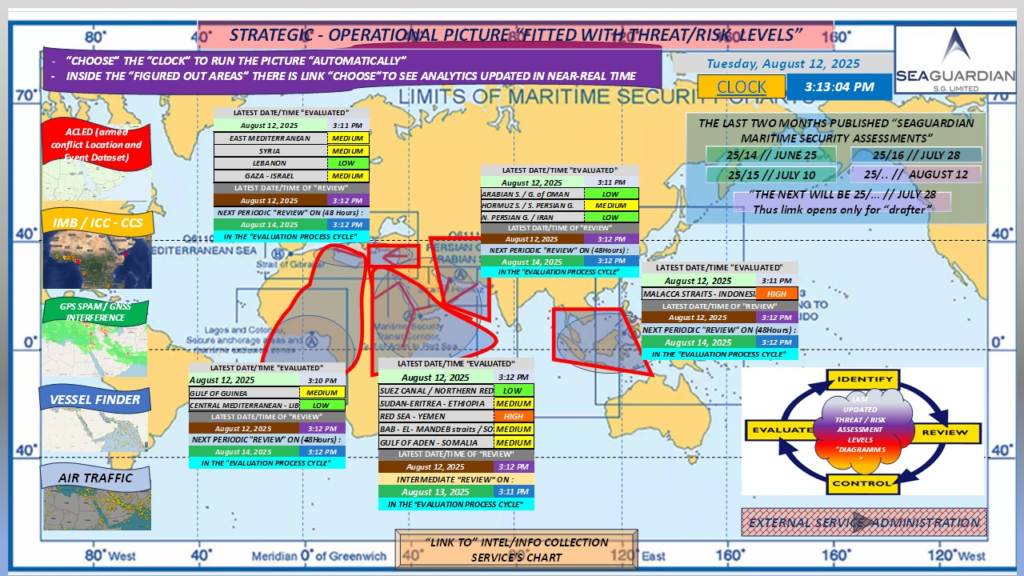
Strategic-Operational Threat/Risk Assessment Levels for areas / domains under permanent monitoring
- SEA GUARDIAN evaluates and reviews periodically (24/7) or after a serious incident the Political/Strategic Threat and Risk Levels in conjunction with a systematic and Strategic/Operational intel & info collection. The following snapshot chart represents the outcome of its app which provide a near-real time picture could be provided as external service after a request.
Make a call or e-mail us for a free trial period:
E: intelsec@sguardian.com
CY: +357 25 351125 | GR: +30 210 9703322
info@sguardian.com | www.sguardian.com
Sea Guardian SG Ltd Intel & Security
Sea Guardian S.G. Ltd / Intel Department (www.sguardian.com / +30 6944373465) can support your operational planning, assist in determining the risk assessment and provide assistance in decision making by producing tailor-made assessments upon request on ports in the region, on routes, on cargos and specific merchant vessels. You can refer to our previous Threat & Risk assessment analysis briefs for more information and background analysis on the events and situation in the region.
+ +
Viewers can also see and connect here with the previous report:
