



By Elena Sendona on April 24, 2026
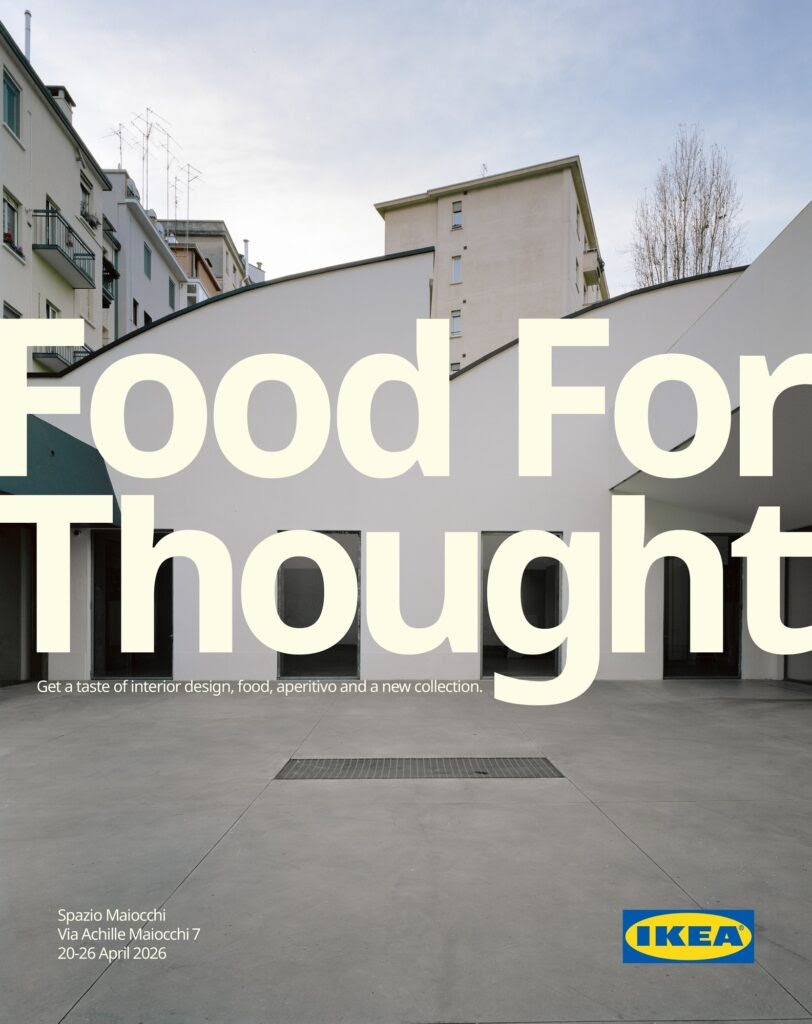
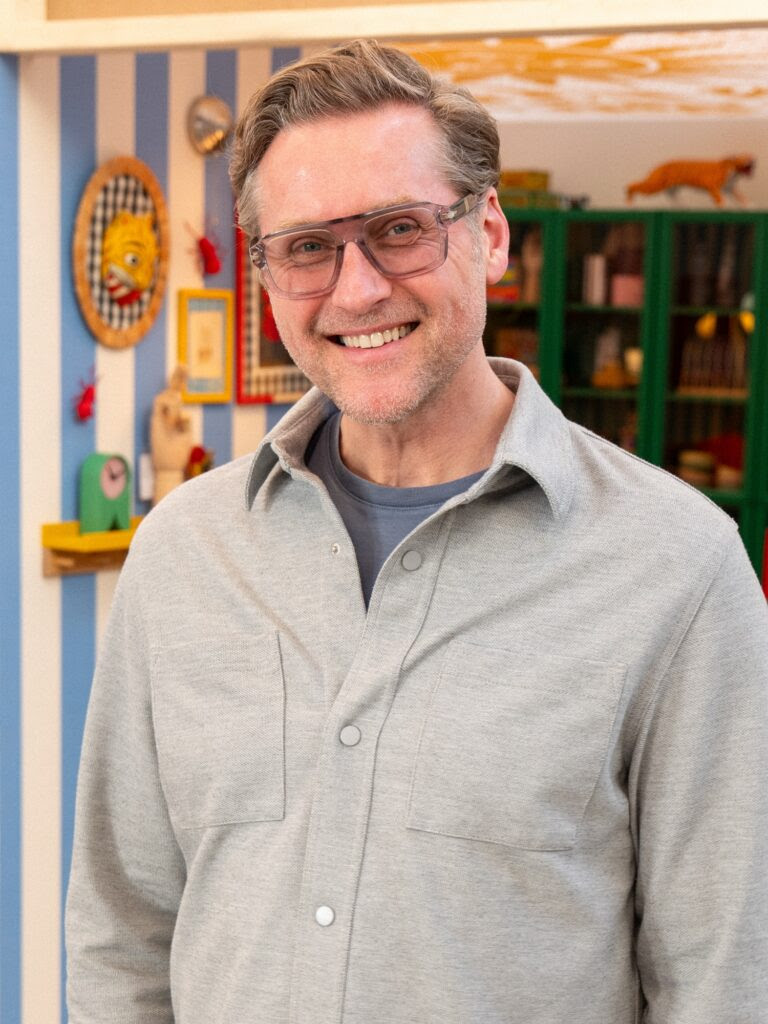
At Milan Design Week 2026, IKEA trades the expected for the experiential with Food For Thought—a sensorial study of how design inhabits the rituals of cooking, sharing, and gathering. Leading the narrative is Global Home Furnishing & Retail Design Manager Patrik Gustafsson, who positions IKEA less as a furniture brand and more as a cultural lens on contemporary living. We sat down with him to discuss the ideas behind the exhibition, the shifting meaning of Democratic Design, and the new IKEA PS 2026 collection—a collection that quietly questions what “design for the many” means now.
You’ve described IKEA as “stubbornly optimistic”—what does optimism look like when translated into actual spaces, objects, and experiences like Food For Thought?
To us, being stubbornly optimistic is about believing that everyday life can always be improved, even in small ways. In “Food For Thought”, that optimism takes shape in how we design experiences that are both practical, personal and meaningful. It’s not about ignoring complexity, but about responding to it with solutions that are accessible, human, and playful. It means showing that there are many possible ways to live well at home, and that design can support that diversity.
This project moves beyond furniture into something almost theatrical—food, performance, interaction. Is this where you see the future of design heading?
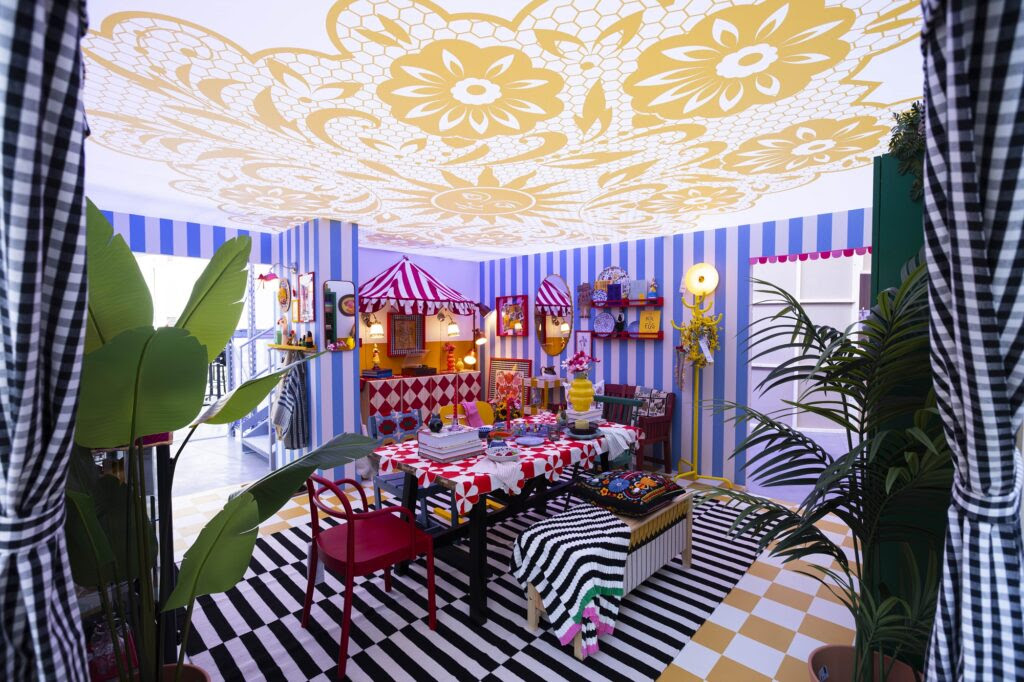
I don’t think it’s about moving away from furniture, but about expanding what design can do. Design must be in service of life, and life is not experienced through isolated objects, but through situations: cooking, hosting, resting, connecting. So, design needs to respond to that complexity. What you see in this project is not a shift away from product, but a broader way of thinking, where objects, space, food and interaction all come together to support how people live.
The IKEA PS 2026 collection feels playful, even a bit unexpected. What’s the value of surprise in a brand so rooted in familiarity?
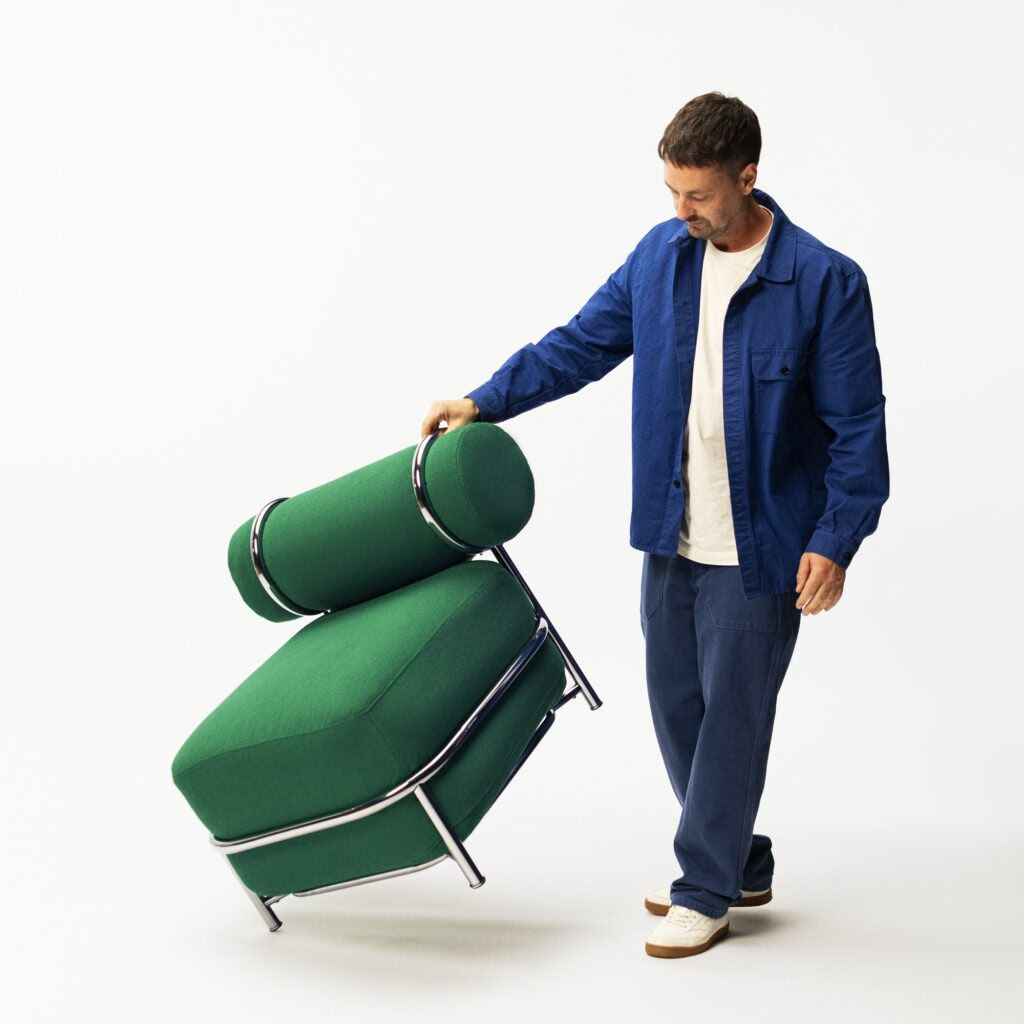
Familiarity builds trust, but surprise creates engagement. For a brand like IKEA, it’s important to balance the two. People should recognize us, but they should also feel a sense of discovery. With IKEA PS, we explore that space: objects that are simple and functional, but that reveal something unexpected over time. That element of surprise creates an even stronger emotional connection with the product.
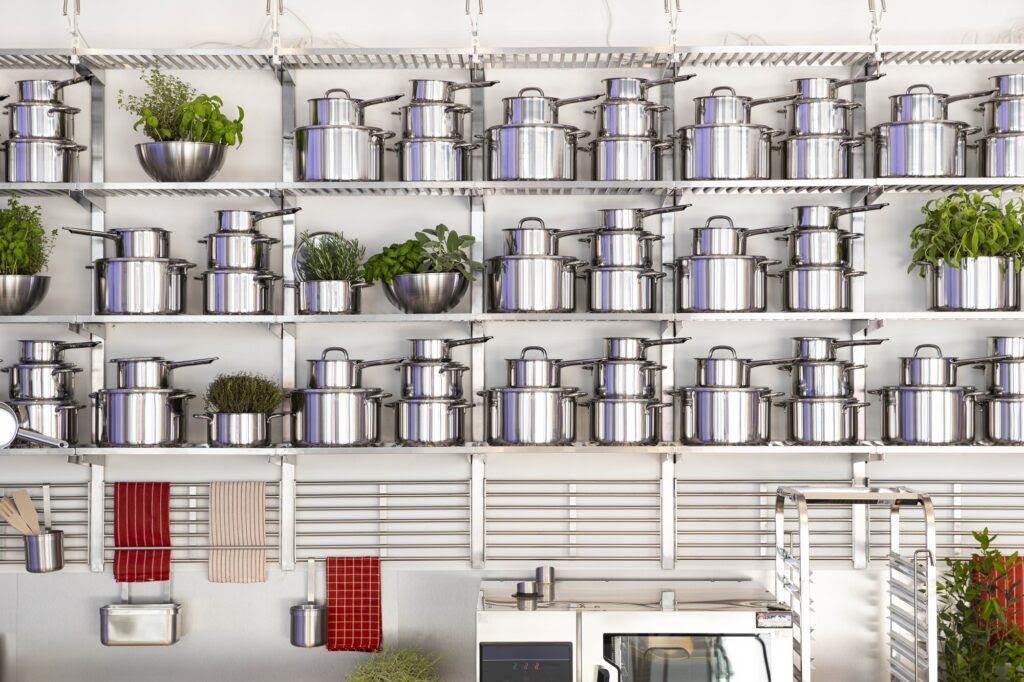
Collaboration is everywhere here—chefs, designers, local producers. What have you learned from stepping outside the traditional boundaries of product design?
Stepping outside traditional product design forces you to question your own assumptions. Working with chefs, for example, brings in a completely different way of thinking, more sensory, more immediate, more connected to memory and culture. What I’ve learned is that design becomes stronger when it’s not isolated. When different disciplines meet, you don’t just add perspectives: you transform the outcome.
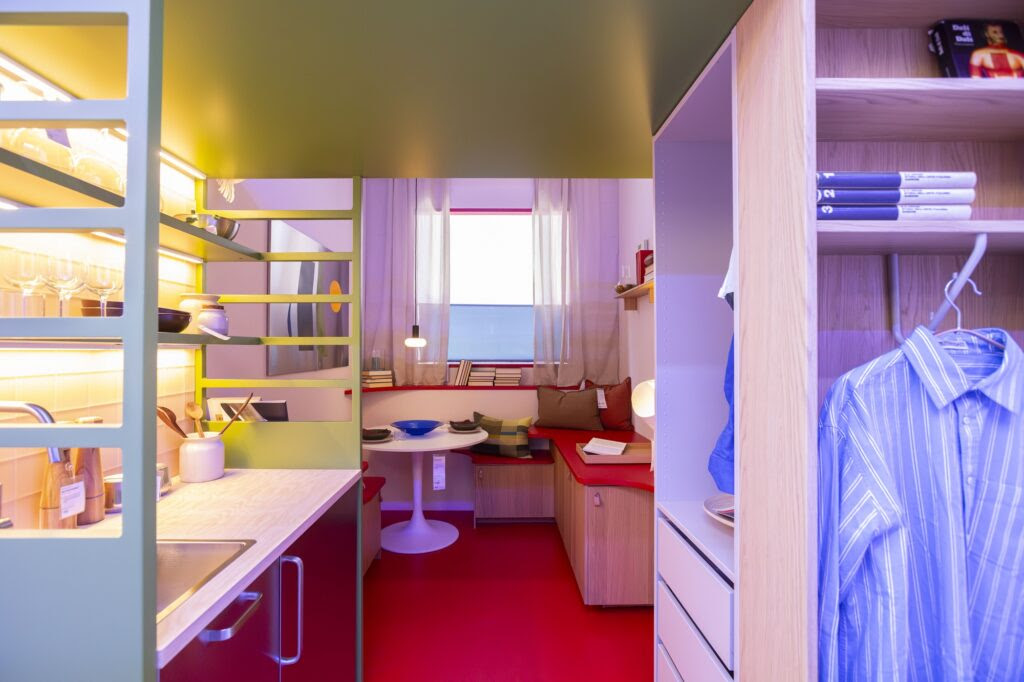
IKEA speaks about designing “for the many,” but everyday life is increasingly diverse and contradictory. How do you design for that complexity without losing clarity?
Designing for the many has never meant designing for an “average” person. Everyday life is complex, sometimes contradictory, and our role is not to eliminate that complexity, but to support it in a clear and accessible way. That’s where Democratic Design comes in, balancing form, function, quality, sustainability, and affordability – while leaving space for people to adapt solutions to their own lives.
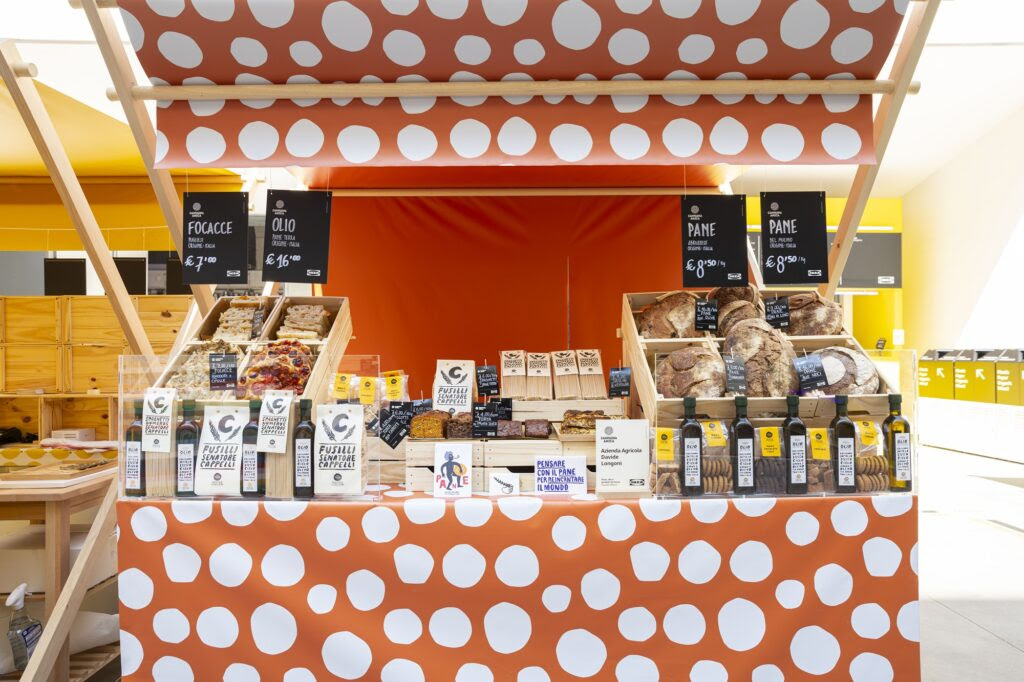
Food becomes a narrative tool in this exhibition. Do you think the kitchen and dining space are becoming the emotional center of the home again?
I think it never really stopped being one, but its role is evolving. The kitchen today is not just about cooking, but about connection. It’s where different moments of the day overlap: working, eating, socializing. What we see is that food is becoming a way to understand those shifts. It’s a lens through which we can read how people live, and how the home is changing. That’s also why, this year, we chose to focus on food and conviviality around the table. It’s one of the most immediate and universal ways to understand how people live today.
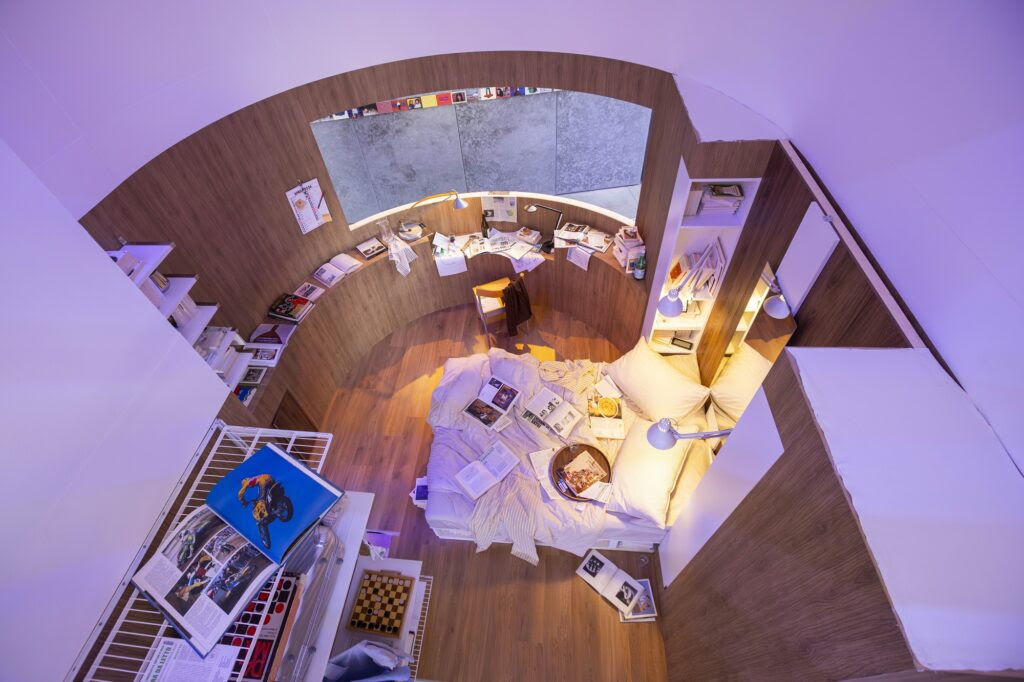
There’s an intentional slowness to the experience—moments to pause, reflect, even taste. Is IKEA making a statement about how we should live, not just how we furnish?
I don’t think it’s about telling people how they should live. At IKEA, we always start by listening to people, understanding their needs, their routines, and the realities of their everyday life. Our role is to support that, to be helpful, rather than to prescribe. In this context, creating moments where people can pause and reflect is simply a way of responding to what many people feel today, especially in a setting like Design Week, which can be quite intense. If the experience encourages people to reconnect with everyday rituals, even briefly, then that’s already meaningful.
Sustainability here feels embedded in behavior rather than highlighted as a feature. Has IKEA moved toward shaping habits instead of just designing products?
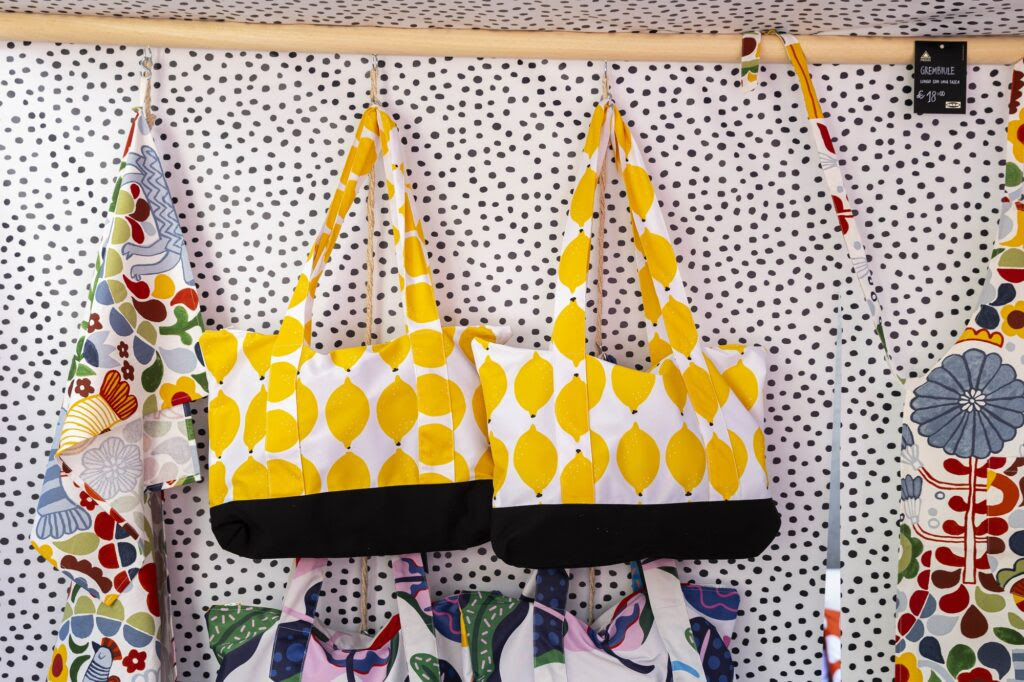
Sustainability has to be part of everyday life, otherwise it doesn’t scale. Designing products is important, but it’s equally important to support behaviors, how people use, reuse, and interact with those products. In this project, sustainability is not presented as a separate message, but embedded in the experience itself through small, everyday actions. For example, we’ve partnered with Too Good To Go to help reduce food waste and introduced solutions like AI-powered smart bins to support better waste sorting. It’s about making more sustainable choices easier and more natural within daily routines.
The IKEA PS collection has always pushed boundaries. What feels genuinely new—or even risky—about this latest edition?
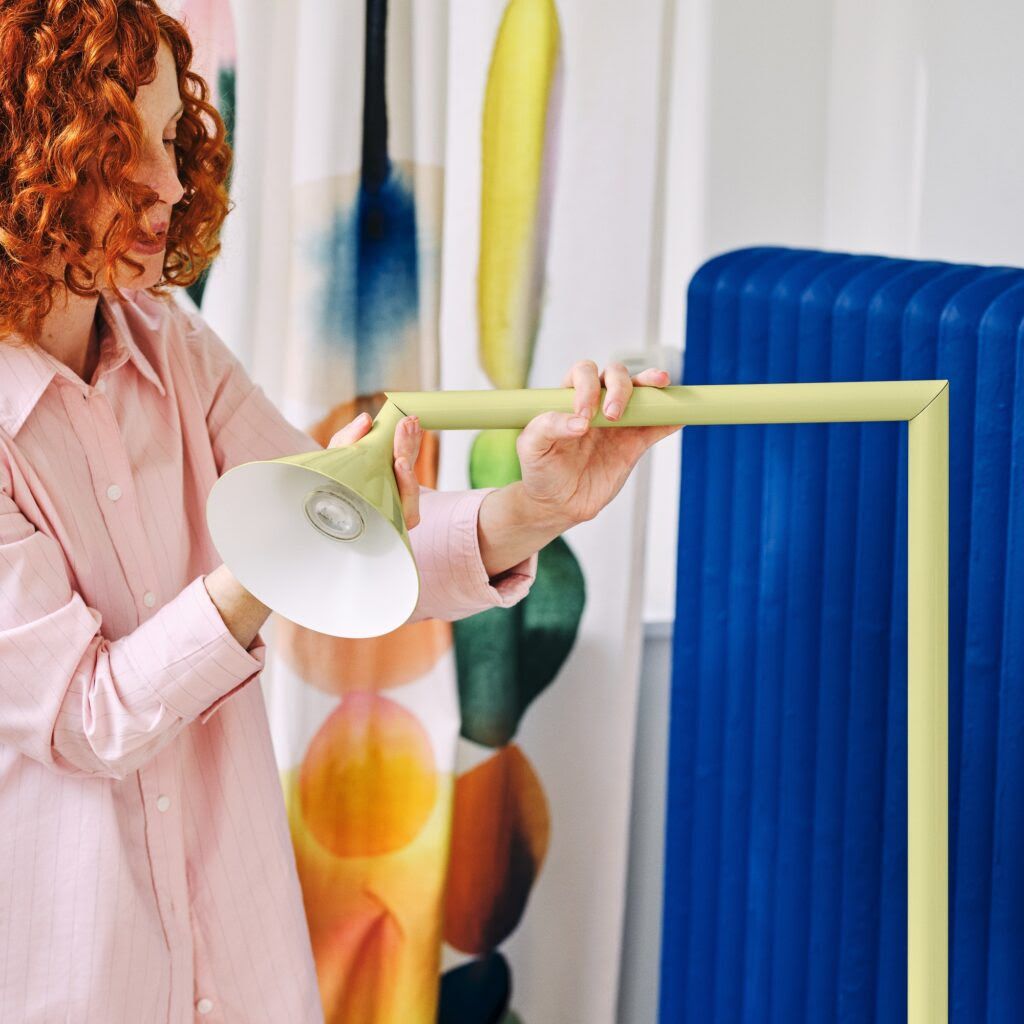
What feels new is the level of simplicity combined with expression. These are objects that are very clear in their function, but at the same time quite bold in how they behave or how you interact with them. The “risk,” if you can call it that, is in reducing things to their essence while still creating something that feels engaging and emotionally relevant.
When visitors leave Food For Thought, what is the one shift in perspective—or in everyday habit—you hope they take with them?
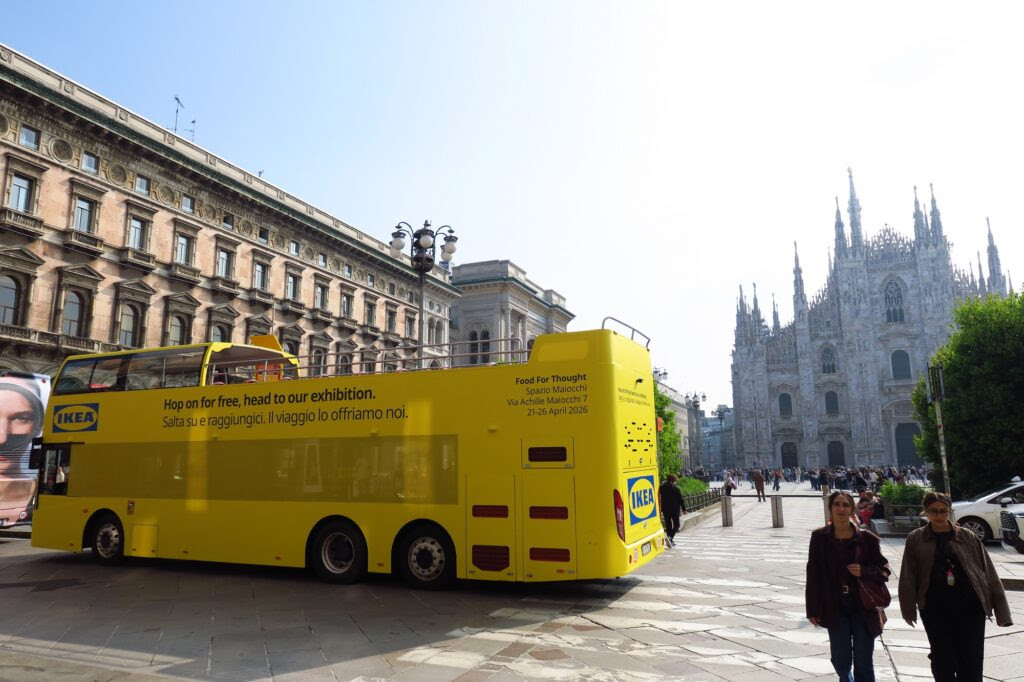
I hope people leave with a slightly different way of looking at their everyday life. Not necessarily something big, but maybe a small shift: seeing a meal, a routine, or a space as something that can be shaped and reimagined. Because design doesn’t start with objects, it starts with how we live.