





- UK inflation undershoots forecasts
- FTSE opens down 0.4% lower
- Marks and Spencer’s ‘year of two halves’
- Experian announces buyback
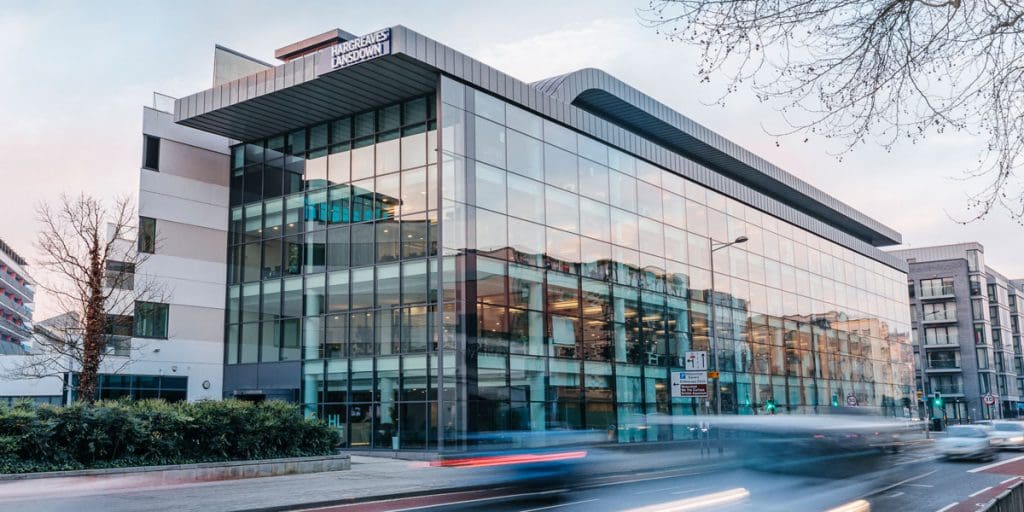
Anna Macdonald, Investment Strategy Director, Hargreaves Lansdown:
“UK inflation fell more than expected to 2.8% in April, below forecasts of 3%. Some temporary factors helped pull the number down – including changes to the Ofgem price cap and the timing of Easter. Even so, combined with a softening labour market, this gives the Bank of England a bit more breathing space.
It’s worth remembering that before the escalation in tensions between the US, Iran and Israel, investors had been expecting two rate cuts this year. Markets are now leaning towards the possibility of one or two rises instead. However, Bank of England Deputy Governor Sarah Breeden struck a more measured tone in the Financial Times this week, emphasising that the Bank’s role is to create a “stable environment” rather than act in a “trigger-happy” way. As she put it: “We don’t need to rush… we’re in a good place to be able to watch what’s happening in the economy.”
Any progress towards a Middle East deal will be critical in easing price pressures. These pressures are already having severe consequences for poorer nations, with reports of shortages and unrest from Kenya to Malawi. Gulf states, along with China and India, are increasing pressure on the US to help broker a resolution. At the same time, there are signs that some countries are becoming more willing to test the situation. A South Korean oil tanker, The Universal Winner, is currently attempting to transit the Strait carrying Kuwaiti oil, following two Chinese vessels that are believed to have already made the journey.
Marks & Spencer reported full-year results this morning. CEO Stuart Machin noted that retailers face a “triple whammy” of higher taxes, increased regulation and ongoing global conflict, but stressed that the group remains focused on what it can control.”
Aarin Chiekrieadds:
“It was a year of two halves for Marks & Spencer (M&S), with significant operational disruption from the cyber incident in the first, followed by a return to sales and profit growth in the second. Granted, full-year sales growth was inflated by the consolidation of its half-owned joint venture, Ocado Retail. But stripping this impact out, total sales were still in positive territory, rising 1.9% to £14.2bn. In Food, the group’s been working hard to improve its value proposition, including ‘Dropped & Locked’ and ‘Remarksable’ pricing, focused on core categories such as protein and produce to help draw more customers through its doors. It’s having the desired effect, with over 800,000 additional shoppers in the year, and nearly half of Food’s 7.0% sales growth last year was driven by higher volumes.”
Experian was a company at the eye of the AI storm earlier this year, as investors worried about the sustainability of its business model in a Claude-enabled world. The company issued full year numbers this morning, noting performance at the upper end of the previously forecast range and revenues up 13%. Management has also announced a $1bn share buyback off the strength of surplus capital within the business, whilst the full year dividend is being increased by 11%, too. For FY27 the company is eyeing revenue growth of a further 8%-11%.”
