





THREAT & RISK ASSESSMENT
Brief Update No 25/25 Date: 17 December 2025
STATEMENT
This document has been approved for distribution by SEA GUARDIAN S.G. Ltd / Operations Department. The provided Intelligence and Information derive from open sources, the Institute for the Study of War (ISW), the Joint Maritime Information Center (JMIC) and the United Kingdom Maritime Trade Operations (UKMTO) respective Web Pages and products retrofit the company’s Strategic / Operational and Security situational awareness processes, for risks and threat assessment/impact to the Security of Maritime Operations. All rights reserved, “no part of this risk assessment may be reproduced in any form (electronical, mechanical, paper or other means) without written permission by SEA GUARDIAN S.G. Ltd which maintains the rights for personal data of this document writers. Under no Circumstances can SEA GUARDIAN S.G. Ltd be held responsible for any loss or damage caused by a reader’s reliance on information obtained by this assessment, especially on its firms, company’s management or individual decision-making.
Objectives
To provide in a 15-day cycle, the maritime industry and Security Stake or Shareholders with:
- Major maritime security incident summary and analysis in Geo-strategic frame for Operational Security and Security of shipping for the period 26 November – 15 December, 2025.
- Threat/risks assessment updates concerning military operations – terrorism – piracy and cargo theft, smuggling, stowaways, ships fired, crew loses and Cyber-defense.
- Overview of risk assessment and relevant information, in order to support strategic & operational planning and decision making.
- SEA GUARDIAN, pursues innovative approach by analyzing Maritime Security in accordance with international standards and a certain frame of Geo-policy including synergies with specialized new era domain such as the Cyber-defense, adding new section for this domain with assessment based on its most important sectors, the policy, the methods and training to confront the threats and risks through policy, methods and training.
Risk Management | Sea Guardian Ltd Security Consultancy | Sea Guardian Ltd
Political / Strategic-Operational Intel/Info collection “app’s chart snap”
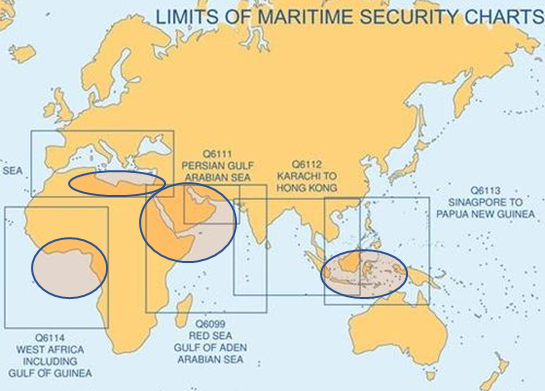
- SEA GUARDIAN has developed digital communication, command and control system depicted in the picture:

Make a call or e-mail us for a free trial period: E-mail: intelsec@sguardian.com CY: +357 25 351125 | GR: +30 2109703322 info@sguardian.com | www.sguardian.com
- On November 28, the Rapid Support Forces (RSF) have converted a large part of Al-Nuhud Hospital in West Kordofan in war-torn Sudan’s south into a military command center and barracks since their takeover of the city more than five months ago, according to the Sudan Doctors Network. The nongovernmental organization said that the RSF, the government-aligned Sudanese Armed Forces’ (SAF) bitter rival in the brutal three-year civil war, has been deterring the hospital from fulfilling its essential role in providing healthcare for the local population.
- On November 29, Russian authorities have outlawed Human Rights Watch as an “undesirable organization”, a label that, under a 2015 law, makes involvement with it a criminal offence. This designation means the international human rights group must stop all work in Russia, and opens those who cooperate with or support the organisation to prosecution. HRW has repeatedly accused Russia of suppressing dissenters and committing war crimes during its ongoing war against Ukraine.
- On November 30, the Public Prosecutor of Libya has ordered the detention of three members of a criminal network in the city of Yefren accused of trafficking psychotropic substances. According to the Prosecutor’s Office, officers from the Yefren branch of the Anti-Narcotics and Psychotropic Substances Agency conducted investigations into a coordinated operation aimed at transporting a large shipment of smuggled psychotropic pills through the city of Murzuq. The three suspects were arrested in possession of 741,481 mind-altering tablets, the office said. PROVIDE CHART
- On November 30, Israeli Prime Minister Benjamin Netanyahu has submitted an official request for his pardon to the Israeli President Isaac Herzog, as it was announced by the Israeli president’s office. “The Office of the President is aware that this is an extraordinary carrying significant implications. After receiving all of the relevant opinions, the President will responsibly and sincerely consider the request,” Herzog’s office said. There was no immediate comment from the prime minister’s office. Netanyahu has been facing a long-running corruption trial but he denies the charges and has pleaded not guilty.
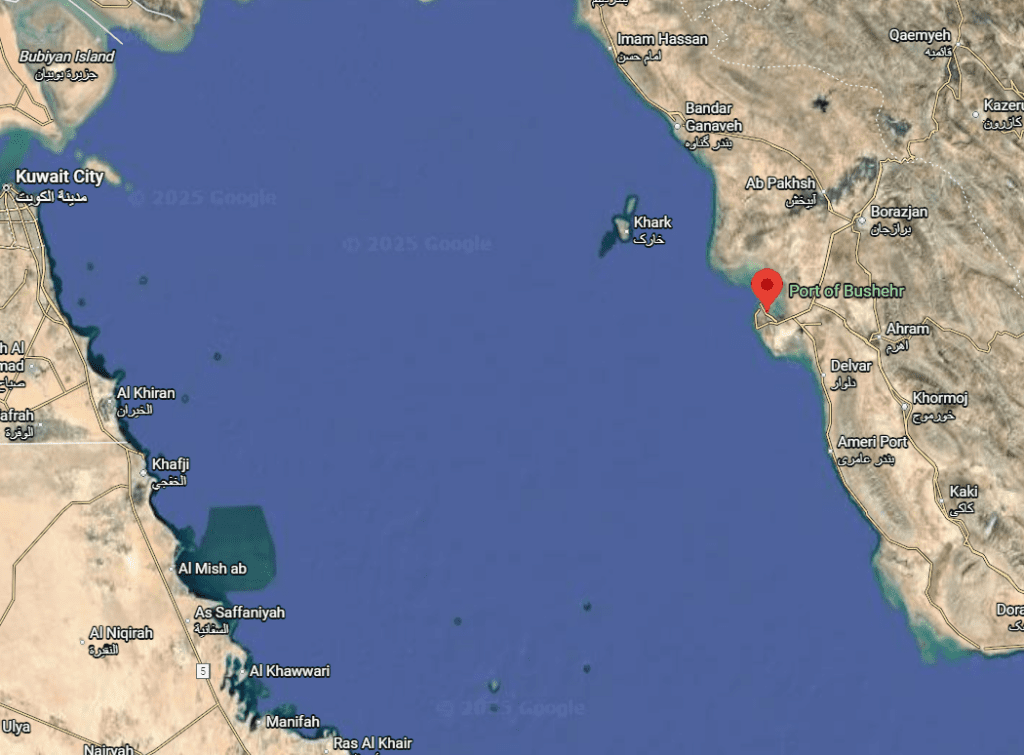
- On November 30, Iran seized an Eswatini-flagged vessel carrying 350,000 liters of smuggled fuel, the semi-official Tasnim news agency reported. “We seized a vessel carrying smuggled fuel in the form of gasoil and flying Swaziland’s (Eswatini) flag. It was brought to Bushehr’s coast following a judicial order and its content will be unloaded,” a Revolutionary Guards navy commander said, adding the vessel’s 13 crew were from India and one neighboring country. Iran, which has some of the world’s lowest fuel prices due to heavy subsidies and the plunge in the value of its national currency, has been fighting rampant fuel smuggling by land to neighboring countries and by sea to Gulf Arab states.
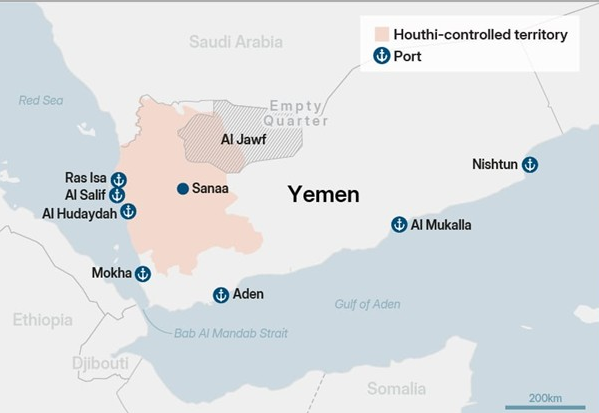
- On November 30, an article was published by “The National”, concerning the humanitarian crisis in Yemen focusing in the the northern governorate of Al Jawf Food and water are scarce in this region with a population of 590,000 people, nearly all of whom are reliant on humanitarian aid. It is one of Yemen’s largest transit hubs also for a growing drug trade, local and security officials say. Yemen, now in its 11th year of civil war, is divided into governorates that are controlled by different armed factions, from the Iran-backed Houthis in the north to the internationally recognized government in the south.
- On December 01, a delegation from the Economic Community of West African States (ECOWAS) has visited Guinea-Bissau for mediation talks with leaders of last week’s coup, as regional pressure mounts on the military leaders who seized power after a disputed election. The mission, led by ECOWAS chairman and Sierra Leone’s President Julius Maada Bio, came to Guinea-Bissau to urge the military authorities for a “complete restoration of constitutional order”.
- On December 02, the Union of Greek Shipowners (UGS), whose president is Melina Travlou, congratulated the country on its ceremonial re-election to Category A of the Council of the International Maritime Organization (IMO), emphasizing the importance of the distinction for the Greek shipping. In a post, the UGS emphasized that this achievement constitutes yet another recognition of the timeless maritime tradition, the pioneering spirit and the global power of the Greek fleet. As Mrs Travlou pointed out, the re-election comes at a time of heightened geopolitical and environmental challenges, during which the IMO plays a crucial role in shaping a flexible and realistic international framework. Greece will continue to contribute with responsibility and expertise, working with a vision for a united, safe and sustainable shipping on its path to the future.
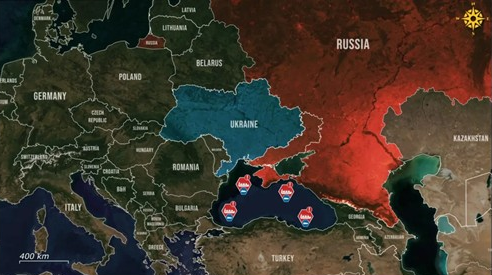
- On December 02, a Russian-flagged tanker in the Black Sea has reported being attacked off the Turkish coast, the third such vessel to have been targeted within a week. The Turkish General Directorate of Maritime Affairs said that the Midvolga-2 had reported coming under attack about 130km (80 miles) from land. The tanker was reportedly carrying sunflower oil to Georgia. The attack follows strikes by Ukrainian naval drones on two Russian-flagged vessels that Kyiv said were part of Russia’s “shadow fleet” shipping crude exports in violation of international sanctions.
- On December 02, Israeli Prime Minister Benjamin Netanyahu has said an agreement with Syria is achievable, outlining expectations that Syrian authorities establish a demilitarized buffer zone, stretching from Damascus to Jabal al-Sheikh, which Israel currently occupies. Netanyahu’s comments came a day after US President Donald Trump said he wanted both Syria and Israel to “have a long and prosperous relationship together”.
- On December 02, Burkina Faso leader Ibrahim Traoré became the first Sahel Alliance head of state to get an identity card backed by the region’s confederation. Traore received his ID from the country’s security minister. With the introduction of biometric identity cards, the Sahel leaders seek to grow the profile of their new bloc and to deepen integration. The move also shows that Burkina Faso, Mali and Niger are determined in severing their ties with West African bloc ECOWAS.
- On December 03, Israel and Lebanon are set to conduct their first direct diplomatic talks in decades as they dispatched civilian envoys to a body that monitors their rocky 2024 truce. Lebanon, which does not recognise Israel, announced on Wednesday that its delegation for the talks will for the first time be led by a civilian. Israel also said it is sending a diplomat as part of a delegation.
- On December 04, Russian President Vladimir Putin has questioned Washington’s stance on India’s oil purchases from Moscow, pointing to US imports of Russian nuclear fuel as he began a state visit aimed at strengthening ties between the two nations. Putin arrived in New Delhi to a warm airport reception from Indian Prime Minister Narendra Modi, who embraced the Russian leader in a rare gesture that underscored their personal rapport.
- On December 04, it was stated that at 7 a.m. Baghdad time, the Iraqi Official Gazette published a decision from the committee responsible for freezing terrorists’ assets at the Central Bank of Iraq. The decision included Hezbollah and the Houthi Ansar Allah alongside ISIS and al-Qaeda on the terrorism list, freezing their financial assets within Iraq. As the Official Gazette is the state’s formal publication and the official reference for governmental and judicial decisions, the listing was considered immediately effective, sparking a political shock both inside Iraq and abroad.
- On December 04, the Northeast monsoon, which is likely to persist until March 2026, may at times bring stronger winds, choppier sea conditions, and moderate to heavy rain. The Maritime and Port Authority of Singapore (MPA) advises members of the public, port users, and maritime industry stakeholders to stay alert, exercise caution at sea, and ensure that appropriate personal safety measures are in place while vessels should be properly prepared for rough seas during this period.
- On December 04, it was confirmed by SEA GUARDIAN that its Security Guard along with the rest of the Eternity C crew being detained by the Houthis since the attack in Red Sea early July 2025 after the vessel was sunk, were released and repatriated to their countries. After the mediation of Oman to the Houthis, the detained personnel of ETERNITY C was transported by airplane from the rebel-held Sanaa to Muscat, Oman before returning its home countries.
- On December 05, Japan and China have escalated their verbal war of declarations at the United Nations following unprecedented remarks from the Japanese Prime Minister Sanae Takaichi about Tokyo’s role in a potential Taiwan conflict. Japan’s ambassador to the UN wrote to Secretary-General Antonio Guterres, disputing allegations from Beijing that Takaichi had violated “the basic norms governing international relations” while speaking to the Japanese Diet last month.
- On December 05, it was stated that for the first time, Russia’s maritime loophole around sanctions is being hit faster than it can recover, and the window for shadow-fleet operations is narrowing at an unprecedented speed. The recent naval drone strikes on the tankers Kairos and Virat set the tone, as both vessels were without cargo and heading for the major port of Novorossiysk for resupply. Sea Baby drones hit the tankers engine rooms, forcing evacuation and leaving the ships burning. Tracking data afterward showed tankers loitering offshore from Novorossiysk, holding position rather than entering port, and Russian economists warned that the real danger now comes from insurers. If insurers refuse coverage and vessel owners decline to lease their ships into a war zone, Russia could lose access to a large share of the five hundred tankers it uses to move sanctioned oil.
- On December 06, it was warned by an expert site that the intense disruption activity of satellite navigation systems (GNSS) such as GPS in the southeastern Baltic Sea region has reached a more dangerous level. This is the result of a study by Polish researchers commissioned by the security firm Hensec, which has now been published. The study builds on earlier reports of massive GNSS interference in this strategically important region. However, it reveals a significant shift in the attackers’ approach: away from purely imprecise jamming towards coordinated, combined attacks of spoofing and active jamming that directly endanger navigation.
- On December 06, the naval arm of Iran’s Islamic Revolutionary Guard Corps (IRGC) has issued a direct warning to U.S. warships in its southern waters, telling them to keep away from its ongoing military exercises. The alert comes as Tehran launches a large-scale drill across the Persian Gulf, Strait of Hormuz and Sea of Oman that’s designed to showcase its defensive readiness and deterrent capabilities. Officials say the warning is meant to prevent any “provocations or threats” to Iran’s territorial waters.
- On December 06, an article by CSIS (Center for Strategic and International Studies) highlights that the new US national security strategy generates much more discussion than impact. Yet this National Security Strategy (NSS) represents a truly dramatic shift in the direction of U.S. foreign policy, with potentially serious implications for Europe and the transatlantic relationship. The strategy effectively declares war on European politics, Europe’s political leaders, and the European Union. The general expectation in Europe for the NSS and the forthcoming National Defense Strategy (NDS) was that the Trump administration would deprioritize Europe.
- On December 07, Japan said that it has protested to China after a military jet that took off from the Chinese carrier Liaoning locked its radar on Japanese fighter jets near the southern island of Okinawa, the latest spat between the two countries whose ties have plunged recently over the Japanese leader’s Taiwan remarks. Japan’s Defense Ministry said China’s military aircraft J-15 “intermittently” targeted its radar at Japanese F-15 fighter jets on two occasions Saturday December 7 — for about three minutes in the late afternoon and for about 30 minutes in the evening.
- On December 07, the Somali government declared that wants to expand its armed forces to 100,000 soldiers to stop the terrorist group al-Shabaab, which controls parts of the Horn of Africa country. One researcher called the current terrorism threat a “deepening crisis.” Defense Minister Ahmed Maolim Fiqi said his country needs a much larger Army to defend its sovereignty and territorial integrity, the Somali news agency Garowe Online reported on November 9. Somalia has been fighting the terrorist group for nearly two decades and is getting help from the African Union Stabilization Support Mission in Somalia. The peacekeeping operation started this year, replacing the African Union Transition Mission in Somalia.
- On December 08, President Trump’s Dec. 2 signing of the Taiwan Assurance Implementation Act — his first pro-Taiwan law of the second term — was warmly welcomed in Taipei. Foreign Minister Lin Chia-lung called it “a major step forward in US–Taiwan relations,” and the Presidential Office said it affirmed shared values. The Act is rare in modern Washington: authentic bipartisan consensus. It passed the House unanimously in May and the Senate in November without a single dissenting vote, signaling structural backing for Taiwan that transcends any one administration.
- On December 08, Yemen’s main southern separatist group has claimed broad control of the southern part of the country, marking a major shift in power for the area. Amr al-Bidh, a senior official of the Southern Transitional Council (STC), told the Reuters news agency that the group had extended its presence in all southern provinces – including the port of Aden, the base of the internationally recognized government over the past decade – following a military operation codenamed “Promising Future” launched last week.
- On December 08, gunfire and explosions were heard in Benin’s main city, Cotonou, as a group of soldiers attempted to overthrow the government. President Patrice Talon has since appeared on television to reassure citizens that the situation was “totally under control”. But residents were left shocked by what had happened.
- On December 09, Israel’s military has carried out waves of air attacks in southern Lebanon, causing damage to several homes, according to Lebanese state media, as anger mounts over repeated Israeli violations of the ceasefire with Hezbollah agreed upon last year. Lebanon’s National News Agency reported late on Monday that Israeli jets targeted Mount Safi, the town of Jbaa, the Zefta Valley, and the area between Azza and Rumin Arki in “several waves”.
- On December 10, a multinational rescue force involving Israel, Greece, and Cyprus is searching for the vessel that went missing in the eastern Mediterranean during Storm Byron; It was estimated that four people were on board. An Israeli yacht that departed from Ashdod port lost contact the night on Tuesday December 9 near the shores of Cyprus. A multinational search operation, including the involvement of Greece, has been launched to locate the yacht. As of now, no findings have been reported. The yacht set sail last Monday December 8, and lost contact in the area off the coast of Cyprus, where strong winds of up to 100 km/h were blowing due to a heavy storm.
- On December 10, Ukrainian President Volodymyr Zelenskyy has declared that his government was prepared to hold elections within three months if the United States and Kyiv’s other allies can ensure the security of the voting process. Zelenskyy issued his statement as he faced renewed pressure from US President Donald Trump, who suggested in an interview with a news outlet that the Ukrainian government was using Russia’s war as an excuse to avoid elections.
- On December 10, Ukraine struck an oil tanker belonging to Russia’s so-called shadow fleet in the Black Sea, according to an official in the Security Service of Ukraine (SBU). A Ukrainian security source told CNN that Sea Baby maritime drones were used in a joint operation by the SBU and the navy. It was the third attack against Russian tankers in two weeks. Russia has been using hundreds of tankers, flying different flags, to clandestinely ship its oil to customers in defiance of western sanctions.
- On December 11, Thailand’s Prime Minister Anutin Charnvirakul has announced that he is “returning power to the people”, moving to dissolve parliament and opening the door to elections earlier than previously planned. Anutin submitted a request for the dissolution of parliament to the King, as was reported by local media.
- On December 11, President Volodymyr Zelenskyy says that the United States is pushing for Ukraine to withdraw its forces from the Donetsk region to establish a “free economic zone” in the Kyiv-held parts of eastern Ukraine that Moscow wants to control. Zelenskyy confirmed that his country had presented the US with a 20-point set of counter-proposals for peace amid discussions on security guarantees with top US officials, making it clear that any territorial concessions would have to be put to a referendum in Ukraine.
- On December 12, a series of Israeli strikes hit south and east Lebanon on Friday, state media reported, as Israel’s army said it was targeting Hezbollah sites, the latest such raids despite a year-old ceasefire. Lebanon’s state-run National News Agency (NNA) reported strikes in around a dozen locations, including up to around 30 kilometers (20 miles) from the Israeli border, citing at times “heavy raids.” Israel has kept up strikes on Lebanon despite a November 2024 ceasefire that was supposed to end more than a year of hostilities with the Iran-backed militant group Hezbollah, and has also kept troops in five areas it deems strategic.
- On December 12, European Union governments have agreed to immobilize indefinitely Russian assets of up to €210bn (£185bn) that have been frozen in the EU since the start of Russia’s full-scale invasion of Ukraine. Most of Moscow’s cash is held in the Belgian bank Euroclear, and European leaders are hoping to agree a deal at next week’s crunch EU summit that would use the money for a loan to help Kyiv fund its military and economy. After almost four years of Russia’s full-scale war Ukraine is running out of cash, and needs an estimated €135.7bn (£119bn; $159bn) over the next two years. Europe aims to provide two-thirds of that, but Russian officials accuse the EU of theft.
- On December 12, Germany has accused Russia of a cyber-attack on air traffic control and attempted electoral interference, and summoned the Russian Ambassador. A foreign ministry spokesman said Russian military intelligence was behind a “cyber-attack against German air traffic control in August 2024”. The spokesman also accused Russia of seeking to influence and destabilize the country’s federal election in February this year. The latest accusations come amid heightened concern in Europe over suspected Russian cyber-attacks since Moscow launched its full-scale invasion of Ukraine in 2022. Russia has “categorically rejected” the claims, saying their alleged involvement in such incidents was “absurd”.
- On December 13, Russian forces have attacked two Ukrainian ports, damaging three Turkish-owned merchant vessels, including a ship carrying food supplies, according to Ukrainian officials and a shipowner. Friday’s December 12 attacks by Russian forces targeted Chornomorsk and Odesa ports in Ukraine’s southwestern Odesa region on the Black Sea. A Ukrainian navy spokesperson told the Reuters news agency that three Turkish-owned vessels were damaged in total, but did not provide additional details.
- On December 13, a group of influential Democratic lawmakers have introduced a resolution in the US House of Representatives to terminate the 50 per cent tariff on imports from India, which they describe as illegal and economically damaging. Led by Indian American Congressman Raja Krishnamoorthi, along with Congresswoman Deborah Ross and Congressman Marc Veasey, the resolution moves to terminate President Donald Trump’s national emergency authorizing tariffs of up to 50 per cent on imports from India, which they describe as illegal and economically damaging. The initiative follows a bipartisan, Senate-passed measure to end tariffs imposed on Brazil and curb what lawmakers see as the president’s misuse of emergency authorities to raise import duties.
MARITIME SECURITY INCIDENTS: November 26 – December 15, 251
1 In accordance to JMIC and/or UKMTO sources
| UKMTO 043/25 | WARNING | 2025 Nov, 14 | A vessel reports sighting approximately 15 small craft, some of the small craft closed to within a range of 1-2 cables and there was an exchange of fire. The Master confirms the vessel remains on high alert and all crew are reported as safe. The Master has confirmed that the small crafts have left the scene, no casualties are reported and the vessel is proceeding to its next port of call. Authorities are investigating. |

| GEOPOLITICAL AWARENESS / ASSESSMENTS SECTIONS (CONTEXT TABLE) | |||
| VICINITY / AREA / DOMAIN | OVERALL | THREAT’s sections | RISK’s sections |
| THE GEOPOLITICAL PROFILES & INTERNATIONAL SECURITY (G3is) | X | – | – |
| Libya – Central Mediterranean | – | X | – |
| Syria (Middle East issue in East Mediterranean region) | – | X | – |
| Lebanon (Middle East issue in East Mediterranean region) | – | X | – |
| Gaza-Israel (Middle East issue in East Mediterranean region) | – | X | – |
| Sudan-Eritrea–Ethiopia | – | X | – |
| Red Sea – Yemen | – | X | – |
| Northern Persian Gulf / Iran-Israel conflict | – | X | – |
| RUSSIA-UKRAINE war (Black Sea / NW part) | – | X | – |
| RUSSIA-UKRAINE war (Baltic Sea / NE part) | – | X | – |
| Cyber-Defense / Risks assessment and mitigation by CyberPax | – | X | – |
| Terrorism – piracy and also cargo theft, smuggling, stowaways | X | X | – |
| Gulf of Guinea | – | – | X |
| Central Mediterranean Sea – Libya | – | – | X |
| East Mediterranean Sea | – | – | X |
| Suez Canal – Northern Red Sea | – | – | X |
| Bab-el-Mandeb Straits – Southern Rea Sea | – | – | X |
| Gulf of Aden – Somalia | – | – | X |
| Arabian Sea – Gulf of Oman | – | – | X |
| Hormuz Straits – Persian Gulf | – | – | X |
| Malacca Straits | – | – | X |
| Black Sea / East Part | – | – | X |
| Baltic Sea / West part | – | – | X |
| Taiwan – Japan & South China Seas | – | – | X |
| Piracy – Boarding conditions, kidnapping, firing, electronic harassment | X | – | X |
| OVERALL ASSESSMENT – CONSULTING | X | – | – |
| ANNEXES TO “SECURITY ASSESSMENT” | |||
| ANNEX “A”: Overall Threats / Risks Level per SGUARDIAN SECURITY ASSESSED AREA | X | – | – |
| ANNEX “B”: Lessons Learned & Useful documents and manuals for GNSS interference | X | – | – |
THE GEOPOLITICAL PROFILES & INTERNATIONAL SECURITY (G3is)
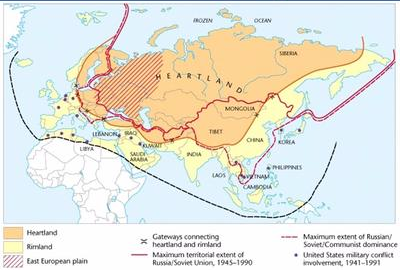
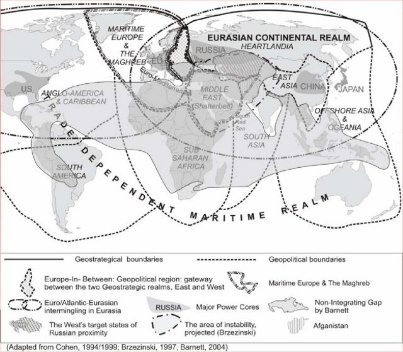
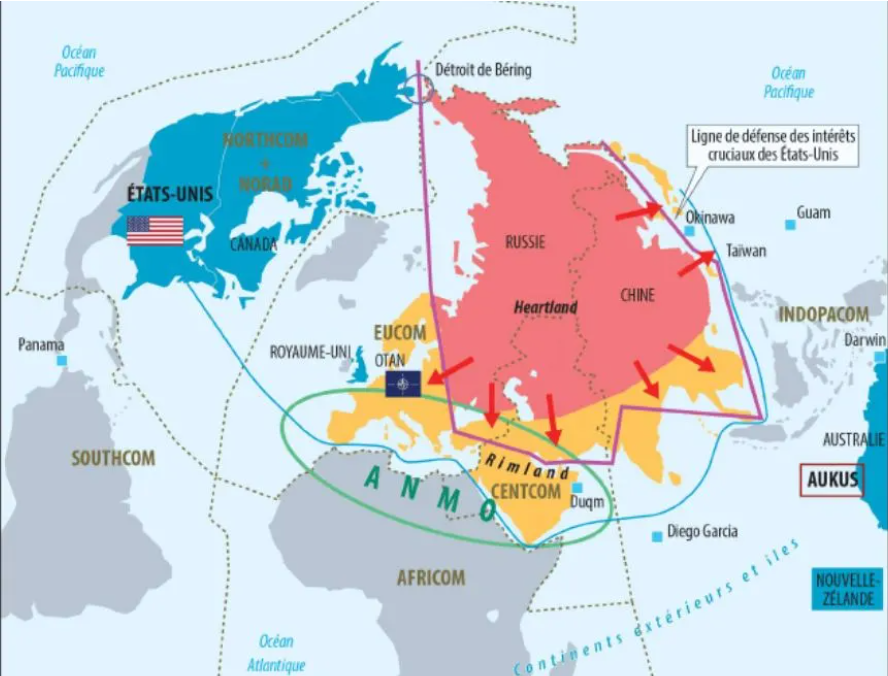
- Geo-political / Geo-Strategic profile: Global Geo-politics remains quite jeopardized these days, not only because superpowers intervene in every specific conflict around the globe, but also due to tensions arising in multiple areas of past 20th-century geopolitical spheres of influence. Risks in different regions keep shifting simultaneously. Iran’s direct military actions have eased somewhat, but Somali piracy is increasing. Due to the rebuilt of spheres of influence, a multipolar geopolitical world is rising, while countries in certain regions, like Japan and China, have recently addressed their differences at the UN amid tensions over issues affecting other countries, such as Taiwan. It seems this polarity leads to widespread tensions, as superpowers, like China, and other pre-colonial powers, such as the UK, pursue dominance either individually or through their coalitions in highly tense regions. It worthy to mention the summer 2026 RIMPAC exercise (Rim of Pacific) for which the initial planning has also been held in US 3rd fleet HQ. It seems that the RIMPAC will be one of the polar in the 21st century multi-polar geo-political system.
- Geopolitical / Geo-economic Profile: The Geo-economy profile is bounded to be aligned with the Geo-strategic as the domination of the area is directly connected with the sources and specific production activities, altering commercial lanes and transportation routes amid the raising of new routes such as the Arctic cycle, which is not occupied officially by a state, let alone that it seems having natural resources either oil products, metals and rare earths. It is assumed that the International Commerce crime will follow the new paths, targeting different state’s shipping companies with different tactics and means with different objectives. Moreover, it is not out of the reality the creation of two “free economic zones” as aftermaths of clashes total finalization; one in Black Sea (West Coast of Odessa) and the second in Eastern Mediterranean (Syria) which would influence the transportation shipping routes.
- International Security / Strategic sector: It is estimated that this year will end without any significant change in the international security situation. Even the aforementioned, leaderships worldwide seeking for centralized networking command and control systems amid the spread of cheap hybrid weapons, the asymmetric threats of new era and the necessity of huge number of populations to survive such as in Central Africa (East and West), all this creates the demand for a continuous Geo-political assessment. Threats and risks assessment, being a necessary contributor to a viable decision making system, must be re-organized and align with that of states’, as many times maritime companies are targeted due to its nations’ identity or national freight origin.
- Global Maritime Security profile: Since the threats involve military, paramilitary, and terrorist actions, as well as the ICC and the cyber domain either independently or combined expressed, military forces and private security companies’ cooperation is of paramount importance. Underestimating those issues either can lead to incidents like the resurgence of piracy in Somalia, where a ship was effectively held captive until Operation ATALANTA intervened to release it, while another vessel having a security team on board managed to deter the threat. Maritime community needs to reassess its priorities, reevaluate external services, and support decision-making not only with the abundance of information available in open sources, but also with intelligence and assessments provided by experts. SEA GUARDIAN once again warns about the importance of a network of experts who analyze situations and provide straightforward intelligence within the correct geopolitical context. Shipping operates in a world that is very much mapped and understood geopolitically and once again warns shipping companies about the possibility of threats and risks expansion contained a mixed method of attacking such as recently in the Black Sea.
- These issues were lately presented by the SEA GUARDIAN’s CEO in NAFTEMPORIKI TV at the following link: https://www.youtube.com/watch?v=Pt6GS7QohAI.
THREAT ASSESSMENT UPDATE:
Military Operations
- Libya stays pretty fragmented these days, while there are limited signals of reform. Discussions on transparency between the Presidential Council and the National Oil Corporation are ongoing, but these efforts have not changed the country’s structural dysfunction at all.
- Law enforcement bodies manage some successes from time to time. They include operations against criminal networks as those networks traffic large quantities of psychotropic substances, although actions remain isolated. Thus, it seems that they do not point to a coherent national security framework.
- Political institutions display intermittent movement too. Representatives from the House of Representatives and the High Council of State agreed recently on a mechanism which would permit them to elect leadership for the High National Elections Commission during a unified election procedure. The UN sees this step as essential while it advances a stalled electoral roadmap, even if institutional deadlock blocks genuine progress, so far.
- It is assumed that foreign economic engagement continues despite the ongoing instability. It is highlighted Europe’s determination to maintain Libya in its sphere of influence due to the Libyan oil. Even if Libya’s instability does not directly generate threats in Central Mediterranean, the unstable situation maintains an unstable environment for shipping to be targeted as this year incidents have shown among others.
- Triggers and risks indicators remain unaltered per area as initially cited in SEA GUARDIAN SECURITY ASSESSMENT 25/15, July 10 and SEA GUARDIAN SECURITY ASSESSMENT 25/17, August 13.
- Overall threat/risk level: “MEDIUM” // Analyzed in: Military/Paramilitary/Terrorism: “LOW” – ICC/Piracy: “NSR” (NO SIGNIFICANT REPORT) – Hijacking/Fired/Kidnapping: “MEDIUM” – GNSS interference: “LOW”.
Syria (Middle East issue in East Mediterranean region)
- Syria is working to regain international acceptance by distancing itself from previous terrorism associations, engaging with major powers, and benefiting from a recent easing of U.S. sanctions on its leadership.
- Several states and non-states forces are involved in the Syrian issue, but the most important for the country is Israel pursuing a peace agreement with a neutral zone on its mutual territories around Jabal al-Sheikh and Turkey which wants to maintain its influence on the future of Syria. Amid this situation, Israeli forces have carried out one of their deadliest operations in months against a village near the occupied Golan Heights, killing multiple residents while Syria condemned the operation as a war crime.
- Regional competition continues to shape Syria’s trajectory. Saudi Arabia, backed by strong U.S. political support, is expanding its influence in the country by directing reconstruction funding toward areas where it seeks to counter Turkish presence and shape post-conflict dynamics.
- Overall, it is assessed that the impact of these developments on rest of Eastern Mediterranean security remains limited; however, conditions around Syrian ports are still fluid, and vessels should conduct careful, case-by-case assessments before calling.
- Triggers and risks indicators remain unaltered per area as initially cited in SEA GUARDIAN SECURITY ASSESSMENT 25/23, November 13.
- Overall threat/risk level: “MEDIUM” // Analyzed in: Military/Paramilitary/Terrorism: “MEDIUM” – ICC/Piracy: “NSR” – Hijacking/Fired/Kidnapping: “MEDIUM” – GNSS interference: “MEDIUM”
Lebanon (Middle East issue in East Mediterranean region)
- Lebanon stays in a tough economic spot right now. It faces ongoing regional tensions that involve Hezbollah, Israel, and Iran.
- On a broader regional note, Israel has made clear that some kind of political deal with Lebanon amid the operations against Hezbollah disarmament and mutual territories areas control for disappearing Palestinians follicles, is supposed backing up Hamas. A potential political deal would be a factor of stabilization in the country, as it would work as an obstacle to the cooperation between uprising forces in the general region. Officials present this as one piece in a larger effort to build stability for the future in Mediterranean coasts of Middle East.
- It is assumed that Lebanon will continue to pursue the disarmament of Hezbollah but the results are not encouraging so far, as Hezbollah maintains its commitment on what had declared two months ago, referred to the aggressivity of Israel. Even that threats and risks to the rest of Mediterranean basin are considered low, an unexpected incident at the most near the coasts cannot be excluded.
- Triggers and risks indicators remain unaltered per area as initially cited in SEA GUARDIAN SECURITY ASSESSMENT 25/23, November 13.
- Overall threat/risk level: “HIGH” // Analyzed in: Military/Paramilitary/Terrorism: “HIGH” – ICC/Piracy: “NSR” – Hijacking/Fired/Kidnapping: “MEDIUM” – GNSS interference: “MEDIUM”
Gaza-Israel (Middle East issue in East Mediterranean region)
- The Gaza Strip stays pretty unstable right now. An UN-backed coalition keeps focusing on taking out Hamas instead of setting up any real governance. The US does only limited monitoring on the ground there. That helps create a fragile security setup overall. It also brings some potential risks to nearby maritime operations in the area.
- Egypt has been training Palestinian police officers lately. The goal is to build a post-war security force for Gaza, aiming to stabilize the whole territory in that way. Up to 5,000 personnel could get integrated into local security structures eventually. Post-war security planning takes up a lot of attention too. Civilian vulnerability shows up clearly in these conflict zones, while things in the West Bank look tough for Palestinian communities. Entire groups have faced lockdowns as Israeli military operations pick up speed while Israel deals with its own domestic political tension at the moment.
- Potential domestic political instability in Israel hangs over everything else. Prime Minister Netanyahu asked for a presidential pardon as presidential elections come up in 2026 with the possibility being left out of his position protection capabilities amid his long-running corruption trial. This adds another layer of uncertainty to the broader regional security picture.
- It is assumed that the region runs into all sorts of overlapping security and political challenges. Even if the ongoing counterterrorism operations are tough, the Gaza strip, having long coast in Mediterranean, is concerned not stabilized, so far.
- Triggers and risks indicators remain unaltered per area as initially cited in SEA GUARDIAN SECURITY ASSESSMENT 25/23, November 13.
- Overall threat/risk level: “MEDIUM” // Analyzed in: Military/Paramilitary/Terrorism: “MEDIUM” – ICC/Piracy: “NSR” – Hijacking/Fired/Kidnapping: “LOW” – GNSS interference: “MEDIUM”
- Amid the three months of “ceasefire” not officially recognized by the Sudanese Armed Forces (SAF), Sudan’s civil war between the SAF and RSF continues to destabilize the wider Horn of Africa. This situation raises tensions with Ethiopia and Eritrea and increases risks to Red Sea trade and energy routes. The high lethality of the conflict is highlighted by RSF forces taking over a major hospital in West Kordofan and turning it into a military command center, one more incident in the biggest “slaughterhouse” of Africa.
- The regional unrest is also evident in South Sudan, where a gunman hijacked a humanitarian aircraft carrying medical supplies before being arrested after forcing it to divert. This incident shows how fragile security conditions are disrupting aid operations and contributing to broader instability in an already vulnerable region.
- It is assumed that even the international maritime operations are going on through well in the Red Sea and Sudan “port calls”, shipping companies ought to maintain high level of risks mitigation.
- Triggers and risks indicators remain unaltered as cited in SEA GUARDIAN SECURITY ASSESSMENT 25/15, July 10.
- Overall threat/risk level: “MEDIUM” // Analyzed in: Military/Paramilitary/Terrorism: “HIGH” – ICC/Piracy: “NSR” – Hijacking/Fired/Kidnapping: “LOW” – GNSS interference: “NSR”
- In northern Yemen, the governorate of Al-Jawf illustrates the country’s deepening fragmentation. The region suffers acute shortages of food and water, with nearly the entire population dependent on aid, while simultaneously is emerging as a major transit hub for an expanding drug trade. This reflects the broader division of Yemen into zones controlled by competing armed factions—from the Iran-aligned Houthis to internationally recognized government forces—reinforcing both humanitarian strain and entrenched conflict dynamics across the country.
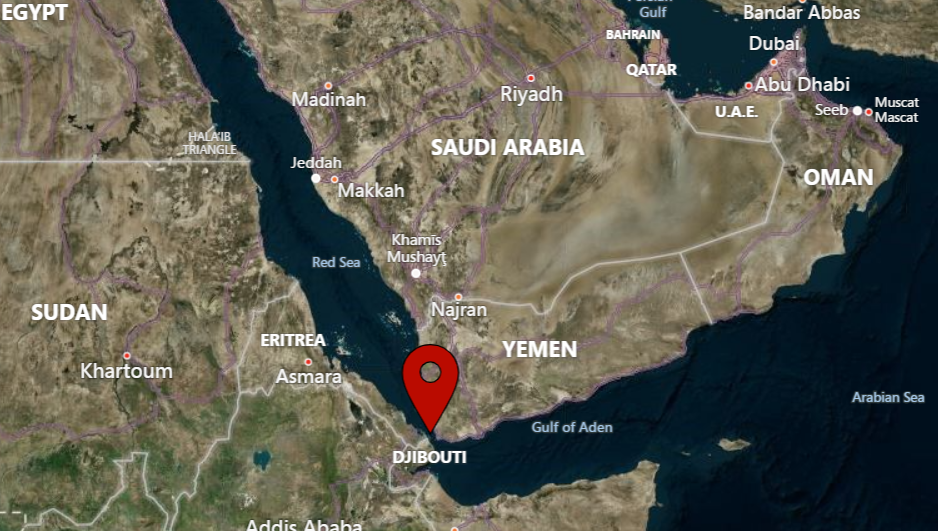
- Houthi authorities continue to tighten internal control through harsh repression, including the execution of individuals accused of collaborating with Western governments while some case they accept mediation from specific countries such as Oman. The later mediated for the release of detained crew and Security officer of the ETERNITY C to be released and repatriated. While their external threat to Red Sea shipping has diminished for now, the internal security environment remains volatile, meaning that safe navigation is in most cases dependent on private maritime protection and the operational readiness of shipping companies.
- Shipping companies are consulted to maintain high level of readiness while passing though the area.
- Triggers and risks indicators remain unaltered as in SEA GUARDIAN SECURITY ASSESSMENT 25/15, July 10.
- Overall threat/risk level: “MEDIUM” // Analyzed in: Military/Paramilitary/Terrorism: “MEDIUM” – ICC/Piracy: “MEDIUM” – Hijacking/Fired/Kidnapping: “MEDIUM” – GNSS interference: “MEDIUM”
Northern Persian Gulf / Iran-Israel conflict
- Iran is increasingly detaining commercial vessels for alleged maritime rule violations, deploying helicopters and special forces even in areas close to Oman. Iran justifies such operations as part of a broader campaign against rampant fuel smuggling driven by heavy domestic fuel subsidies and a weakened currency, which make illicit exports highly profitable.
- Moreover, it strengthens its position in the area representing a high dense of exercises in a frame of its announcement for foreign countries, especially US forces in the area to not getting involved at any case, any reason and any area in Arabic Sea, Gulf of Oman, Persian Gulf and Hormuz.
- It is consulted, given Iran’s pattern of assertive interdictions and the elevated risk associated with any unpredicted use of force, masters should have a clear understanding of both Iranian maritime expectations and applicable international law, as even minor compliance failures can rapidly escalate into high-risk onboarding scenarios.
- Triggers that could create escalation are: deployment of additional US military forces or equipment to the region, attacks in Saudi Arabia or Bahrain by Shia militants linked to Iran and the stalemate in UN-brokered peace talks on Yemen.
- Overall threat/risk level: “MEDIUM” // Analyzed in: Military/Paramilitary/Terrorism: “MEDIUM” – ICC/Piracy: “NSR” – Hijacking/Fired/Kidnapping: “NSR” – GNSS interference: “LOW”
- RUSSIA-UKRAINE war (Black Sea / NW part)
- The conflict in Ukraine remains highly unstable, with significant damage to vessels and growing numbers of foreign mercenaries, keeping Black Sea shipping under elevated risk. Ukrainian drone attacks on Russian “shadow fleet” tankers have intensified maritime dangers, raising insurance concerns and threatening Russia’s ability to transport sanctioned oil as well as other products. Turkey has condemned these attacks and is working to prevent the conflict from spreading while safeguarding its economic interests. The attacks count more than four incidents in the area of Odessa for them Russia having been blamed.
- Russia has intensified domestic political control by outlawing Human Rights Watch, further suppressing dissent amid ongoing military operations. President Putin continues to take an uncompromising stance on eastern Ukraine while Volodymyr Zelenskyy follow a pattern of visiting other countries either to mediate for peace or to support his struggle.
- Meanwhile, Russia is seeking to strengthen economic and strategic ties with nations like India, highlighting trade imbalances with the US and pressing for continued cooperation amid sanctions and geopolitical pressure. On the other hand announcement detaining of Russian resources in EU with the scope to implement sanctions and funding with loans the Ukraine’s deficiencies in currency underwritten by these capitals, could provoke a new high tension between Russia and EU.
- Overall, it is assumed that the situation combines active military conflict, maritime and energy disruption, domestic political suppression, and complex international diplomacy. All this creates a volatile environment with broad regional and economic risks while the factors for ships to be targeted by the both sides are the list of “shadow fleet”, the war itself and the sanctioned companies in the Ukraine’s view (you can see them in the link on the ANNEX of this assessment – useful links).
- The triggers and indicators per area remain as in the SEA GUARDIAN SECURITY ASSESSMENT 25/20, September 30 and SEA GUARDIAN SECURITY ASSESSMENT 25/19, September 16 .
- Overall threat/risk level: “HIGH” // Analyzed in: Military/Paramilitary/Terrorism: “HIGH” – ICC/Piracy: “NSR” – Hijacking/Fired/Kidnapping: “HIGH” – GNSS interference: “HIGH”
RUSSIA-UKRAINE war (Baltic Sea / NE part)
- The Baltic Sea remains a high-risk environment due to energy disruptions and Russian “shadow fleet” operations amid ongoing NATO-Russia tensions. Shipping and maritime operations should reinforce security measures, though full mitigation of these risks is currently not feasible by only the use of regular maritime security guarding services without a security assessment in a Geo-politic frame, as well as the use of all the spectrum of Military and Maritime Security assets such as the use of underwater inspection capabilities.
- The Swedish Navy reports frequent encounters with Russian submarines, reflecting Moscow’s continuous reinforcement of its presence in the region and heightened military activity, particularly in anticipation of potential developments in the Ukraine conflict.
- It is assessed that even if the region is side-affected by the Russia-Ukraine war, the maritime activities face persistent maritime and military risks, energy security challenges, strategic tensions and safety hazards from “shadow fleet” ships, which do not implement international rules at the most cases that require sustained vigilance and operational preparedness.
- The triggers and indicators per area remain as in the SEA GUARDIAN SECURITY ASSESSMENT 25/20, September 30 and SEA GUARDIAN SECURITY ASSESSMENT 25/19, September 16 .
- Overall threat/risk level: “MEDIUM” // Analyzed in: Military/Paramilitary/Terrorism: “MEDIUM” – ICC/Piracy: “NSR” – Hijacking/Fired/Kidnapping: “LOW” – GNSS interference: “HIGH”
Cyber-defense / Risks assessment and mitigation by CyberPax (new section)

| The maritime sector continues to face a steady increase in cyber operations targeting the intersection between IT networks and critical operational systems both at sea and on shore. While ransomware remains a frequent disruption mechanism for shipping companies, the most significant trend this period is the intensification of IT→OT lateral movement, aimed at influencing or degrading port operations, vessel-support infrastructure, and bridge-adjacent processes. | CYBERPAX 201 Imittou Street, Athens, 11632, Greece Our Mailbox: info@cyberpax.eu Our Phone: +30 210 7525 363 |
- Global attack activity observed during this cycle shows increased probing of maritime-relevant OT networks such as terminal operating systems, cargo-handling automation, and remote-support systems; attempts to exploit remote access channels used for propulsion, power management, and navigation-support components; and broader reconnaissance of vendor ecosystems serving fleets and port operations.
- For vessel operators and port authorities, the key operational risks this period include:
* Compromise of IT networks leading to OT-impacting conditions
* Manipulation or degradation of automation systems in terminals and logistics
* Supply-chain compromise via third-party maritime vendors
* Extended downtime due to limited visibility between shipboard and shore-side systems
- Ransomware / Cyber Extortion: HIGH
- IT→OT Lateral Movement Targeting Vessel & Port Operations: VERY HIGH
Terrorism – piracy and also cargo theft, smuggling, stowaways
- Global shipping faces a new profile of threat and risk which is composed of military/paramilitary and International commerce crime in every area, even in the Gulf of Guinea that was just the piracy addicted so far.
- It is more noticeable that the internationalism of illegal actions, the change in the trend of attacks and the means of attacks area spread worldwide, has already been consulted by the previous SEA GUARDIAN assessments. A new approach has been proposed to mitigate the risks, namely the need for a deliberated and causative assessment in advance.
- Taking into consideration that the next step of maritime command and control is the centrality by the use of network systems, Cyber defense takes a more important role in the security assessment.
- SEA GUARDIAN has analyzed extensively the triggers of these threats in corresponding paragraphs of SEA GUARDIAN SECURITY ASSESSMENT 25/17, August 13 and SEA GUARDIAN SECURITY ASSESSMENT 25/18, August 29.
RISK ASSESSMENT
Gulf of Guinea
- Guinea-Bissau is facing renewed political instability after a coup that removed President Umaro Sissoco Embalo. The new military leadership, headed by General Horta Inta-A, has begun consolidating power by appointing a new prime minister and asserting full control of the state. In response, ECOWAS has sent a high-level mediation mission urging the junta to restore constitutional order, increasing regional pressure on the military rulers.
- At the same time, political realignment in the Sahel is accelerating. Burkina Faso’s leader, Ibrahim Traoré, has become the first head of state in the Sahel Alliance to adopt a new biometric identity card issued by the bloc, underscoring deeper integration among Burkina Faso, Mali, and Niger. The initiative reflects the group’s determination to distance itself from ECOWAS and strengthen its own regional identity.
- Nigeria continues to struggle with severe security challenges, including extremist violence and a surge in mass kidnappings, many involving schoolchildren. Amid this growing crisis, the country’s defence minister has stepped down. Instability on land is also contributing to greater risks at sea, raising concerns about increased maritime crime. Regional actors emphasize the need for stronger coastal enforcement and sustained cooperation to maintain security in West African waters.
- SEA GUARDIAN assesses that security remains fragile and advice shipping companies to hire security guarding while approaching the coast to all its extend from Angola to Guinea-Bissau.
- Indicators which altering the “risks levels” as in SEA GUARDIAN SECURITY ASSESSMENT 25/17, August 13.
- Overall threat/risk level: “HIGH” // Analyzed in: Military/Paramilitary/Terrorism: “HIGH” – ICC/Piracy: “MEDIUM” – Hijacking/Fired/Kidnapping: “HIGH” – GNSS interference: “LOW”
- The East Mediterranean remains calm and tranquil amid the clashes in Lebanon, Syria and Gaza strip which do not contribute to an escalation of threats and risks on it. Nevertheless, an unpreceded incident is not out of the possibility as the involvement of several other states and unofficial forces in the aforementioned clashes cannot be ignored.
- A recent of a search and rescue operation due to a missing vessel amid the “Byron-storm” represented a constant stability as Greece, Cyprus and Israel maintain regularity in the region.
- Thus, it is assessed that the pre-emptive measures are more necessary even if the ceasefire/peace agreement and the supposed stabilization of Syria seems evolving.
- Indicators which altering the “risks levels” as in SEA GUARDIAN SECURITY ASSESSMENT 25/22, November 12.
- Overall threat/risk level: “LOW” // Analyzed in: Military/Paramilitary/Terrorism: “NSR” – ICC/Piracy: “LOW” – Hijacking/Fired/Kidnapping: “LOW” – GNSS interference: “MEDIUM”
- Maersk’s decision to resume transits through the Suez Canal signals a gradual stabilization of the waterway after months of disruption and declining revenue. A new strategic partnership with the Suez Canal Authority supports this return and points to improving reliability for global trade flows.
- However, despite the canal’s low operational risk, the broader Red Sea environment remains unstable, with port areas still exposed to security and disruption threats.
- It is advised, shipping operators should treat canal transits and Red Sea port calls as distinct risk environments and apply tailored security assessments accordingly.
- Indicators altering the “risks levels” as initially cited in SEA GUARDIAN SECURITY ASSESSMENT 25/17, August 13.
- Overall threat/risk level: “LOW” // Analyzed in: Military/Paramilitary/Terrorism: “LOW” – ICC/Piracy: “NSR” – Hijacking/Fired/Kidnapping: “LOW” – GNSS interference: “LOW”
- Somalia keeps running into major security threats from al-Shabaab. Piracy stays a problem in the nearby waters too. Shipping companies ought to team up tightly with naval groups and maritime security companies.
- The government in Somalia wants to grow its military a lot. It is aiming for about 100,000 troops to fight back against al-Shabaab, that is fighting the last twenty years. That group still holds onto some areas in the country.
- Somali leaders point out the need for a bigger force which also guards the land borders properly. The country gets help from the African Union Stabilization Support Mission in Somalia. That mission took over from the old African Union peacekeeping setup not long ago.
- It is assessed that the supposed pause of piracy for several periods does not have any relation with the existence or not of piracy groups. It will be a long way for them to be disappear while new profiles are waiting for the new era. A new, more sophisticated approach is needed to mitigate the risks not only by using security teams onboard but also to combine those teams with network/digital capabilities.
- Indicators altering the “risks levels” as initially cited in SEA GUARDIAN SECURITY ASSESSMENT 25/17, August 13.
- Overall threat/risk level: “MEDIUM” // Analyzed in: Military/Paramilitary/Terrorism: “MEDIUM” – ICC/Piracy: “HIGH” – Hijacking/Fired/Kidnapping: “MEDIUM” – GNSS interference: “NSR”
- As it has been cited and analyzed in the previous assessment SEA GUARDIAN SECURITY ASSESSMENT 25/24, November 27.
- It is consulted that shipping companies maintain high readiness navigating through this area, which is vulnerable from a sudden piracy or attack incident due to Somalians and Houthis, as well as detention operations by Iran.
- Indicators altering the “risks levels” as initially cited in SEA GUARDIAN SECURITY ASSESSMENT 25/17, August 13.
- Overall threat/risk level: “MEDIUM” // Analyzed in: Military/Paramilitary/Terrorism: NSR” – ICC/Piracy: “MEDIUM” – Hijacking/Fired/Kidnapping: “MEDIUM” – GNSS interference: “LOW”.
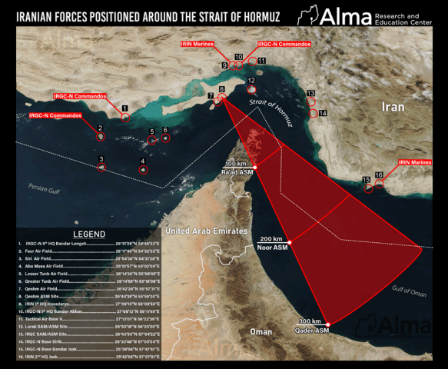
- Maritime risks in the Strait of Hormuz remain high as Iran continues to assert control over the strategic waterway and conducts vessel interceptions. Commercial ships are advised to deploy onboard experienced security teams for guidance, consultancy and protection.
- Iran’s Islamic Revolutionary Guard Corps navy has warned U.S. warships to stay clear of its military exercises in southern waters. The drills span the Persian Gulf, Strait of Hormuz, and Sea of Oman and are intended to demonstrate Iran’s defensive readiness and deter actions perceived as provocations or threats to its territorial waters.
- It is advised, shipping companies to maintain high readiness, not forget the high dense of GNSS interference influencing the electronic navigation aids, train their officers on risks mitigation, refreshing knowledge on the methods of facing up and extending the use of security teams.
- Indicators altering the “risks levels” as initially cited in SEA GUARDIAN SECURITY ASSESSMENT 25/17, August 13
- Overall threat/risk level: “HIGH” // Analyzed in: Military/Paramilitary/Terrorism: NSR” – ICC/Piracy: “NSR” – Hijacking/Fired/Kidnapping: “HIGH” – GNSS interference: “LOW”
- Indonesia is experiencing heightened maritime, environmental, and cybersecurity risks as regional tensions persist, while the Northeast monsoon is expected to generate stronger winds, rough sea conditions, and periods of moderate to heavy rainfall.
- Singapore’s Maritime and Port Authority is urging maritime operators and the public to exercise caution at sea and ensure vessels and safety equipment are properly prepared throughout the monsoon period.
- Ships operating in affected waters are advised to maintain vigilance and uphold strong security and safety measures. It is also assessed that the highest readiness is needed when ships approach anchorages or the coasts in the area. But weather conditions do not mitigate the risks for thefts but just changing the areas for them to be executed.
- Indicators altering the “risks levels” as cited in SEA GUARDIAN SECURITY ASSESSMENT 25/20, September 30.
- Overall threat/risk level: “HIGH” // Analyzed in: Military/Paramilitary/Terrorism: “NSR” – ICC/Piracy: “HIGH” – Hijacking/Fired/Kidnapping: “HIGH” – GNSS interference: “LOW”
Black Sea / East Part
- The South Caucasus remains a fragile environment with low but present terrorism-like risks, prompting shipping to maintain vigilance and monitor conditions around major Georgian ports.
- A Russian-flagged tanker in the Black Sea reported an attack off the Turkish coast, the third similar incident in a short span. The vessel, carrying sunflower oil to Georgia, was targeted amid ongoing strikes on Russian ships that Ukraine has described as part of a sanctioned “shadow fleet.”
- In Georgia, protesters continue to fill the streets of Tbilisi in opposition to the government’s decision to delay any move toward opening EU accession negotiations, fueling persistent political unrest.
- It is assessed that the spread of threats and risks to the East part of Black Sea is imminent, taking into consideration the raise of tensions on the area. It is advised, shipping companies to monitor closely the area by frequent and coherent security assessments.
- Indicators altering the “risks levels” as initially cited in SEA GUARDIAN SECURITY ASSESSMENT 25/18, August 27.
- Overall threat/risk level: “MEDIUM” // Analyzed in: Military/Paramilitary/Terrorism: “NSR” – ICC/Piracy: “NSR” – Hijacking/Fired/Kidnapping: “LOW” – GNSS interference: “MEDIUM”
Baltic Sea / West part
- The Baltic Sea continues to face hybrid and insurgency pressures, with threats to maritime infrastructure and growing concern over shadow-fleet movements near key ports. Shipping is advised to maintain heightened awareness.
- A new study reports that GNSS disruption in the southeastern Baltic Sea has escalated from basic jamming to coordinated spoofing combined with active jamming, creating direct risks to vessel navigation and signaling a more sophisticated attack pattern in the region.
- Separately, the United States has indicated that allies investing seriously in their own defense—particularly the West Baltic states and Poland—will receive preferential treatment under its new national security strategy, which calls for Europe to assume greater responsibility for regional defense.
- It is assessed that even if the “shadow fleet” is less vulnerable of attacks in the area in relation to the Black sea due to the low frequency of attacks, the under-covered threats and risks remain crucial for all vessels navigating to these waters amid the expansion of tensions containing more countries participating in NATO-RUSSIA tensions.
- Indicators altering the “risks levels” as cited in SEA GUARDIAN SECURITY ASSESSMENT 25/20, September 30.
- Overall threat/risk level: “MEDIUM” // Analyzed in: Military/Paramilitary/Terrorism: “MEDIUM” – ICC/Piracy: “NSR” – Hijacking/Fired/Kidnapping: “LOW” – GNSS interference: “HIGH”.
Taiwan – Japan Sea
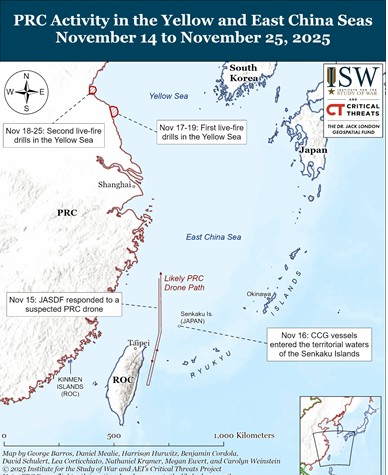
- Things between China, Japan, and Taiwan are getting tense right now. This is stirring up a pretty volatile spot in East Asia. It affects politics, military security, and even transportation in big ways. Diplomatic ties have gone downhill after having been expressed officially the argument in the frame of UN between Japan and China.
- Military run-ins have picked up steam too. These kinds of events really show how fast things could blow up in the area. It makes sea and air paths feel even more on edge.
- Economic ties and travel routes are taking a hit as well. This kind of interruption points to wider problems in trade, trips, and supply chains. It also hints at more risks like cross-border issues or even cyber-attacks down the line.
- It is assessed that tension will remain high until summer 2026, when it will be escalated or de-escalated, with the exception of a sudden incident that could trigger escalation, (i.e., the latest tense created between Japan-China on Senkaku islands). In the end, shipping companies need to keep a close eye on East Asia. Political clashes, military shows of force, and travel snarls are all mixing together creating a lot more risk across the region.
- Indicators that distort the “risk levels” as in SEA GUARDIAN SECURITY ASSESSMENT 25/21, October 16.
- Overall threat/risk level: “MEDIUM” // Analyzed in: Military/Paramilitary/Terrorism: “HIGH” – ICC/Piracy: “NSR” – Hijacking/Fired/Kidnapping: “LOW” – GNSS interference: “NSR”
Taiwan – South China Sea
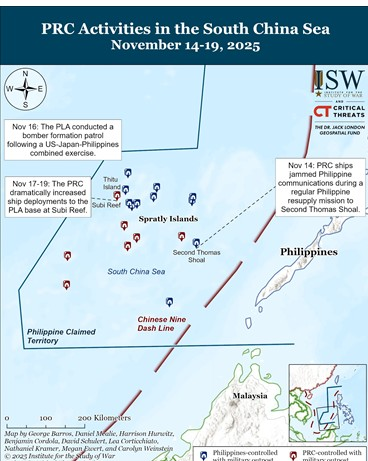
- East Asia and the South China Sea face significant geopolitical fragility, with heightened territorial and military tensions affecting regional security. While an amphibious operation against Taiwan would be extremely challenging due to limited landing sites, difficult seas, and rugged terrain, satellite imagery and ship-tracking data indicate that Chinese civilian vessels have conducted coordinated landing exercises along the Guangdong coast. Vehicles were deployed directly onto beaches, suggesting efforts to refine logistics for potential large-scale operations.
- These developments, combined with ongoing diplomatic and military friction between China, Japan, and Taiwan, underscore the need for caution in maritime and air operations. Shipping and transportation in the region face elevated risks from military maneuvers, regional disputes, and potential cross-border escalation.
- It is advised, maritime companies to maintain a close monitor on the area through security and threats/risks level assessment and contingency plans for alternative shipping routes in the whole area.
- Indicators that distort the “risk levels” in SEA GUARDIAN SECURITY ASSESSMENT 25/21, October 16.
- Overall threat/risk level: “MEDIUM” // Analyzed in: Military/Paramilitary/Terrorism: “MEDIUM” – ICC/Piracy: “NSR” – Hijacking/Fired/Kidnapping: “LOW” – GNSS interference: “LOW”
- Piracy – Boarding conditions, kidnapping, firing, electronic harassment
- Globally, piracy remains a persistent threat and especially in the Gulf of Guinea, Malacca Straits, and Indian Ocean, while illegal migration continues to create conditions for unauthorized boarding of vessels. SEA GUARDIAN strengthens intelligence, inspections, and vessel security to mitigate these risks proactively, ensuring international trade can continue.
- Overall, risk is elevated in East Asia and moderate but persistent worldwide for piracy and migration, requiring vigilance, robust security measures, and contingency planning.
- Indicators that differentiate the “risks levels” remain the same as in SEA GUARDIAN SECURITY ASSESSMENT 25/18, August 27.
OVERALL ASSESSMENT – CONSULTING
•Global maritime trade struggles with high instability as geopolitical tensions, regional conflicts, and rising maritime crime disrupt important sea lanes amid the changes in commercial lanes and agreements pursued by both “rare earths” holders and consumers under the depression of US tariffs and the new roads openness such as the “North-pole route”.
- Despite a bit of improvement around the Suez Canal and announcements by major carriers to resume transits, the re-emergence of traffic through the Red Sea and Gulf of Aden are still at a controversial state and any single military/paramilitary-terrorism act would highly impact any restoration trend. See Annex A, where a decrease of “Inside Red Sea ports of call” is depicted. Traffic to NE ASIA and the GoGH is also depicted based on UKMTO weekly reports.
- Meanwhile, increased military activity in the Middle East, Eastern Mediterranean, Black Sea, and Western Pacific keeps the risk levels high. Shipping markets show the effects of these pressures which influence the price of products in the markets, as well as the insurance fees are still maintained in high levels. There is an enhancement trend of military coup incidents where militants are trying to take the leadership of the states, mainly in the Gulf of Guinea.
- Major powers are still changing their security strategies and alliances while US National Security Strategy (NSS) of 2025 try to insert the global situation in a stability as the US declared their pursuance for the next era. Military incidents are common, such as cross-border raids, naval encounters, targeted strikes, hijackings of small aircraft, and drone operations against vessels. Intelligence sources also show increased submarine activity in the Baltic Sea and rehearsal operational training near Taiwan, raising concerns about future escalation in important maritime areas. Intelligence and overall assessment ought to be the major factors feeding a viable decision-making system.
- LNG freight rates have risen to annual highs because of strong demand, limited shipping capacity, and geopolitical issues. Tanker capacity continues to change, while container traffic appears to be cautiously recovering, leading maritime companies to reform the relationship between the number of tankers with the number of LNG ships, as well as the containerships.
- Flight cancellations between major Asian markets demonstrate how geopolitical tensions spill over into broader transportation networks. Political instability on land, including coups, leadership resignations, mass kidnappings, stalled peace processes, and public unrest, heightens regional uncertainty and impacts trade reliability. Several governments are facing renewed instability in West Africa, the Middle East, Eastern Europe, and the Caucasus.
- Technological improvements are happening, like uav/usv-based ship inspections; however, increased digitalization puts vessels and ports at higher risk of cyber threats, including GNSS spoofing and targeted cyber-attacks. This situation increases the need for better maritime intelligence, cybersecurity training in expertise centers, and risk-mitigation measures.
- Overall, the global maritime and geopolitical landscape is marked by ongoing instability, heightened military and criminal threats, significant political volatility, and emerging cyber risks while parts of the commercial sector are moving cautiously toward an operational normalization exploiting new networking technological improvements.
ANNEX “A” TO PERIODIC “SECURITY ASSESSMENT”


Sea Guardian S.G. Ltd / Intel Department (www.sguardian.com / +30 6944373465) can support your operational planning, assist in determining the risk assessment and aid in decision making by producing tailor-made assessments upon request on ports in the region, on routes, on cargos and specific merchant vessels. You can refer to our previous Threat & Risk assessment analysis briefs for more information and background analysis on the events and situation in the region.
ANNEX “B” TO PERIODIC “SECURITY ASSESSMENT”
| LESSONS LEARNED | ||
| INCIDENTS | REACTIONS | TRANSFORMATION NOTICES |
| The attacks on July 2025 in RED SEA | The permanent contact with the shipping company hiring maritime security teams. | Developing indepentent international relations and operational apps for supporting crew recovery after a submerging. |
| The defensive actions against the attack on ETERNITY C | The Security management and team’s high standards in decision-making proccesses in international environment respecting the ship’s Captains’ capacity. | Developing of training standards. |
| The attacks on July 2025 in RED SEA | The active contigency plans and bussiness impact analysis in case of discontinuation with the guarding of security teams (such an attack difficult to be faced by small arms). | Further implemantation of matitime/ISO standards. |
| The aftermaths analysis of the ETERNITY C submercion | The possible changing in Houthis attacking methods not only to destroy but also to attain ships under their internal coast guard rules for ransoms in the form of penalty fees to liberate it. | Specifying and bordering threats/risks analysis for depicting what needs military response. |
| Inbound in an area of high military/ paramilitary threats with all navigational aids and AIS closed | Opened all the navigational aids and AIS / communication systems on after having had attacked by ballistic or related missiles while visual targeting was available due to the lack of international naval forces. | Stabilize the closed navigational aids to prevent targeting with the necessity of giving informations through them to friendly entities. |
| The detailed analysis after a special interview of secuirty crew assessing decision-made | A fundamental analyzed decision, involves choosing whether to abandon a sinking ship using a lifeboat for safety, or to escape directly into the sea with only life jackets, while under the threat of attacking boats searching for survivors. | Balance the threat of being targeted while in the sea whith the trheat environmental and geography conditions to survive. |
| The re-emergence of piracy in Gulf of Aden-Somalia | From the latest incidents in the area it was porven that the existence of Maritime security teams is paramount as well as the continue of military Maritime operations in the area is a necessity. | The overall security umbrella is achieved if: – A consistent/ coherent Security assessment has been done in advance – Military Maritime operations in the region are exist – The use of Security teams onboard for a widen area is available. |
Usefull links for conflict indexes and picture of piracy attacks in:
- ACLED and IMB/ICC for the war threat levels and International commerce crime incidents.
- Companies under sanction by Ukraine (Black Sea):Database Of Legal Entities Under Sanctions
- https://www.youtube.com/watch?v=Pt6GS7QohAI, for an overall general assessment by the SEA GUARDIAN President presented at Naftemboriki TV (Shipping) for the latest years, covering the period before and after the Houthis ballistic, drones and UCAV attacks
Sea Guardian S.G. Ltd / Intel Department (www.sguardian.com / +30 6944373465) can support your operational planning, assist in determining the risk assessment and aid in decision making by producing tailor-made assessments upon request on ports in the region, on routes, on cargos and specific merchant vessels. You can refer to our previous Threat & Risk assessment analysis briefs for more information and background analysis on the events and situation in the region.
——
Viewers can log here below and read the previous report in order to have a continuous and connected position:
