





Brief Update No 25/26 Date: 29 December 2025
STATEMENT
This document has been approved for distribution by SEA GUARDIAN S.G. Ltd / Operations Department. The provided Intelligence and Information derive from open sources, the Institute for the Study of War (ISW), the Joint Maritime Information Center (JMIC) and the United Kingdom Maritime Trade Operations (UKMTO) respective Web Pages and products retrofit the company’s Strategic / Operational and Security situational awareness processes, for risks and threat assessment/impact to the Security of Maritime Operations. All rights reserved, “no part of this risk assessment may be reproduced in any form (electronical, mechanical, paper or other means) without written permission by SEA GUARDIAN S.G. Ltd which maintains the rights for personal data of this document writers. Under no Circumstances can SEA GUARDIAN S.G. Ltd be held responsible for any loss or damage caused by a reader’s reliance on information obtained by this assessment, especially on its firms, company’s management or individual decision-making.

Risk Management | Sea Guardian Ltd Security Consultancy | Sea Guardian Ltd
OBJECTIVES
To provide in a 15-day cycle, the maritime industry and Security Stake or Shareholders with:
- Major maritime security incident summary and analysis in Geo-strategic frame for Operational Security and Security of shipping for the period 15-29 December, 2025.
- Threat/risks assessment updates concerning military operations – terrorism – piracy and cargo theft, smuggling, stowaways, ships fired, crew loses and Cyber-threats.
- Overview of risk assessment and relevant information, in order to support strategic & operational planning and decision making for shipping companies.
- SEA GUARDIAN, pursues innovative approach by analyzing Maritime Security in accordance with international standards and a certain frame of Geo-policy including synergies with specialized new era domain such as the Cyber-defense, adding new section for this domain with assessment based on its most important sectors, the policy, the methods and training to confront the threats and risks through policy, methods and training.
Political / Strategic-Operational Intel/Info collection “app’s chart snap”
- SEA GUARDIAN has developed digital communication, command and control system depicted in the picture:

Make a call or e-mail us for a free trial period: E-mail: intelsec@sguardian.com CY: +357 25 351125 | GR: +30 2109703322 info@sguardian.com | www.sguardian.com Sea Guardian SG Ltd Intel & Security
- On December 15, the appeals chamber of the International Criminal Court (ICC) has rejected one of Israel’s legal challenges seeking to block an investigation into its actions in the genocidal war against the Palestinian people in Gaza, dealing a blow to Israel’s efforts to derail the case. In their decision issued on Monday, judges of the ICC refused to overturn a lower court decision allowing the ICC prosecutor to investigate alleged crimes in Israel’s war on Gaza following the Hamas-led attack on southern Israel on October 7, 2023.
- On December 15, Ukraine has carried out a successful underwater drone strike on a Russian submarine in the port of Novorossiysk, causing critical damage to the vessel, its domestic security service said. In a statement on Monday, the Security Service of Ukraine (SBU) said the Kilo-class submarine was knocked out of operation in the first such attack by Sea Baby drones.

- On December 16, an article promoting Greece as a reliable investment destination and an emerging regional hub in the energy, technology and infrastructure sectors. In this article the President of the American-Hellenic Chamber of Commerce (AmChamGR), Yiannis Sarakakis, highlighted the strategic agenda of the chamber during his visit to the United States. At the 27th Annual Capital Link Invest in Greece Forum in New York, Sarakakis highlighted the new US administration’s renewed focus on strategic cooperation with Greece and the subsequent increase in investment interest in the logistics, energy and digital infrastructure sectors, the announcement added.
- On December 16, some 30 people, most of them soldiers, have been jailed in Benin in connection with a failed coup attempt earlier this month, French news agency AFP reported. The soldiers took over state television on December 7, and announced that the government had been dissolved. But their takeover bid was thwarted by loyalists in the military, backed by airstrikes and military assistance from Nigeria and other West African allies. France also provided logistical support. The accused were jailed AFP said, following a pre-trial hearing, while they are charged with treason, murder and endangering state security. Lt. Col. Pascal Tigri, who reportedly led the coup, is still on the run. Beninese officials claim that he fled to Lomé, the capital of Togo. Cotonou has reportedly asked that Togo extradite him along with other fugitive soldiers.
- On December 17, an article in Naftemporiki wrote that the global LNG carrier market is in a phase of increased volatility, but also of intense opportunities, as the geopolitical realignment of energy flows, Europe’s strategic shift away from Russian natural gas and the rise of American LNG production redefine the balance of supply and demand. The latest analysis by the shipbroking entity Intermodal, clearly shows that, despite restrained demand in some markets, the LNG freight market is in a phase of strong recovery, with 2026 being predicted as a turning point. Specifically, analysts estimate that next year could see a strong recovery in LNG demand and ton-miles, provided that new liquefaction plants come online, Asian demand increases, and there are no serious trade tensions.
- On December 17, Singapore’s maritime authority is taking a strategic leap in the marine fuel sector, establishing for the first time a formal licensing framework for the supply of methanol from January 01, 2026. The Maritime and Port Authority of Singapore (MPA), following a call for expressions of interest in March 2025, has proceeded to issue licenses, marking the start of large-scale methanol supply at the world’s most important bunkering port. As the world’s largest bunkering hub, reaffirms its leadership role by investing in cleaner fuels and shaping international shipping energy trends.
- On December 17, Yemen’s separatist Southern Transitional Council (STC) is trying to create facts on the ground with its recent advances in the country’s eastern governorates of Hadramout and al-Mahra. Its military push this month highlights that Yemen’s conflict – ongoing for more than a decade – cannot be reduced to one simply between the internationally recognized government and the Houthis. Instead, an overlapping map of influence is evident on the ground with de facto authorities competing over security, resources and representation.
- On December 18, Qatar’s prime minister has warned that daily Israeli breaches of the Gaza ceasefire are threatening the entire agreement, as he called for urgent progress towards the next phase of the deal to end Israel’s genocidal war on the besieged Palestinian enclave. Sheikh Mohammed bin Abdulrahman bin Jassim Al Thani made the appeal following talks with United States Secretary of State Marco Rubio in Washington, where he stressed that “delays and ceasefire violations endanger the entire process and place mediators in a difficult position”.
- On December 18, Israeli warplanes have struck multiple areas across southern and eastern Lebanon, targeting sites in al-Jabour, al-Qatrani and al-Rayhan in the south, as well as Buday and Hermel in the Bekaa Valley, according to an Al Jazeera correspondent on the ground. The raids, which also hit Wadi Al-Qusayr near the town of Deir Siryan, mark the latest in a relentless pattern of strikes since a ceasefire took effect in late 2024.
- On December 18, in coordination with the Federal Government of Somalia, U.S. Africa Command (AFRICOM) conducted airstrikes targeting al Shabaab. The airstrikes occurred in the vicinity of Nuur Dugle, Somalia, approximately 215 km northeast of Mogadishu. AFRICOM, alongside the Federal Government of Somalia and Somali Armed Forces, continues to act to degrade al Shabaab’s ability to threaten the U.S. Homeland, US forces, and citizens abroad. Specific details about units and assets will not be released by AFRICOM, in order to ensure continued operations security.

- On December 19, Greece’s dominance in the tanker sector is confirmed by Veson Nautical annual report for 2025, as one in four ships under construction is of Greek interests. There is also a return of the “Greeks” to LNG Carriers with 18 new orders, taking the top spot in the global ranking for the first time since 2021. As noted, Greek shipowners are once again emerging as key players, maintaining a leading presence both in terms of fleet and investment activity in all segments. At the same time, analysts characterize 2025 as a year of intense contrasts, with geopolitical turmoil, regulatory pressures and changing trade flows creating a complex environment for shipowners and investors.
- On December 19, European Union leaders agreed not to use frozen Russian assets to help fund Ukraine’s defence in the ongoing war with Russia. Instead, 90 billion euros ($106bn) will come from an interest-free loan provided by 23 out of the 27 EU member states. Hungary, Slovakia and the Czech Republic were granted an exemption in order to allow the deal to pass following months of debate and knife-edge discussions. It is estimated that Ukraine will require an extra 136bn euros ($159bn) over the next two years, if it is to avoid bankruptcy as soon as April, leading the EU Commission to put forth a plan to tap into some of the frozen Russian central bank assets held by the bloc.
- On December 19, Somali pirates have begun using modern GPS technology to track commercial shipping in the Indian Ocean, heightening concerns over maritime security along Somalia’s coast, regional and Western officials say. The deputy director of intelligence of Puntland’s Maritime Police Force, Mohamed Muse Abulle, said the pirates had acquired the equipment along with other weapons from Yemen’s Houthi rebels. “The new technology has made it much easier for them to plan attacks far from the Somali coastline,” adding that pirates can now monitor vessel movements in real time.
- On December 20, the United States military “hit the ISIS [ISIL] thugs in Syria”, President Donald Trump has said, a week after two US soldiers and an interpreter were killed in Syria’s Palmyra city. In a speech in Rocky Mount, North Carolina, Trump said he “ordered a massive strike on the terrorists that killed our three great patriots last week”. “It was very successful. It was precision,” the president added. “We hit every site flawlessly and we are restoring peace through strength all over the world.” Jordan’s air force also carried out strikes as part of the operation in southern Syria, it was confirmed by the Jordanian armed forces.
- On December 20, Lebanon is close to completing the disarmament of Hezbollah in the south of the Litani River before a year-end deadline as part of a ceasefire deal with Israel, according to Prime Minister Nawaf Salam. Saturday’s statement comes as the country races to fulfil the key demand in the US-backed deal agreed in November 2024 and ended more than a year of fighting between Israel and Hezbollah.
- On December 20, Ukrainian drones have attacked a Russian oil tanker off the Libyan coast, causing significant damage, according to The Guardian. The Guardian quoted a Ukrainian security source as saying that the ship, belonging to the so-called “shadow fleet,” was empty at the time of the attack and would not pose any environmental threat. The Ukrainian source added that the attack was a unique, new, and unprecedented operation. The Guardian reported that Russian President Vladimir Putin commented on the attack, saying: “Russia will certainly retaliate.” According to VesselFinder, the tanker had last docked at the Egyptian port of Suez on December 16 and was off the Libyan coast when it changed course.
- On December 20, the Central Bank of Libya has warned of the increasing activity of unlicensed exchange offices in the parallel market. In a letter addressed to the Prime Minister of the Government of National Unity, Head of Internal Security, and the Municipal Guard (West Libya), the bank noted a significant increase in the trading of foreign currencies and the Libyan dinar outside official channels. The bank emphasized that this diverse activity includes the unregulated transfer of funds within and outside Libya, the financing of illicit activities, and violations of regulations governing commercial activity and the Anti-Money Laundering and Counter-Terrorism Financing Law. Furthermore, it contributes to the renewed rise in foreign currency exchange rates.
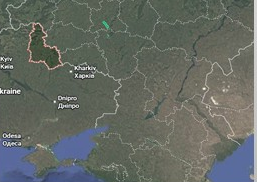
On December 20, Russian troops have abducted around 50 Ukrainians from a village in the north-eastern border region of Sumy and taken them to Russia, Ukrainian Human Rights Commissioner Dmytro Lubinets reported that day. In a post on Telegram, Lubinets, citing preliminary information, said Russian forces had captured residents of the village of Hrabovske right on the border with Russia. They were held prisoner without access to means of communication before being abducted to Russia, he said. Ukrainian Foreign Minister Andrii Sybiha said the majority of those abducted were “elderly women,” asking the international community to intervene.
- On December 20, officials of the Tigray interim administration have urged the state-owned Commercial Bank of Ethiopia (CBE) to resume investment in the regional state. Led by Tigray Interim Administration (TIA) President Lt. General Tadesse Worede, regional officials traveled to Addis Ababa this week for discussions with their federal counterparts. Talks with CBE executives were on the schedule for Friday. Tadesse reportedly urged the bank to invest in sectors like construction to reduce the region’s high unemployment rate. Tadesse and his deputy, Amanuel Assefa, also requested CBE to provide loans for more than 60,000 people seeking housing in Tigray, according to a statement issued by the bank. The request came a few days after the federal government notified commercial banks about the lifting of an embargo that had been placed on companies under the Endowment Fund for the Rehabilitation of Tigray (EFFORT) during the two-year war.
- On December 21, Israel’s security cabinet approved the establishment of 19 new settlements in the occupied West Bank, a move the country’s far-right finance minister said was aimed at preventing the establishment of a Palestinian state. The decision brings the total number of settlements approved over the past three years to 69, according to a statement from the office of Finance Minister Bezalel Smotrich. The latest approvals come days after the United Nations said the expansion of Israeli settlements in the West Bank – all of which are considered illegal under international law – had reached its highest level since at least 2017.
- On December 22, Danish shipping company Maersk said that one of its vessels successfully navigated the Red Sea and Bab el-Mandeb Strait for the first time in nearly two years, as shipping companies consider returning to the key trading route. Maersk said that while it had no plans yet to fully reopen the route it was considering continuing a “stepwise approach towards gradually resuming navigation” via the Suez Canal and the Red Sea. It declined to further elaborate on its plans.
- On December 22, the Taiwan’s Ministry of Foreign Affairs welcomed a delegation of Japanese House of Councilors lawmakers visiting Taiwan for three days. The delegation was s led by Takinami Hirofumi and included Takinami Shiori, Kobayashi Kazuhiro, Suzuki Daichi, and Miyamoto Kazuhiro, the ministry said. The lawmakers are part of the House of Councillors’ “TY Group,” one of multiple pro-Taiwan groups within the upper chamber.

- On December 22, it was stated that multiple foreign government officials are concerned about the consequences resulting from the current political deadlock between the DPP (Democratic Progressive Party) and KMT (Kuomintang- Peoples’ republic of China) parties, Nikkei Asia reported. Taiwanese officials who spoke with Nikkei Asia cautioned that some countries would reduce support for Taiwan if the current impasse continues to weaken efforts to strengthen defense and political stability.
- On December 23, Israeli Defence Minister Israel Katz has said the Israeli military will never fully withdraw from the Gaza Strip and that an army unit will be established inside the Palestinian enclave. Katz said Israeli forces would remain deployed throughout Gaza, despite a United States-backed peace plan signed by Israel and Hamas in October that calls for a full Israeli military withdrawal and rules out the re-establishment of Israeli civilian settlements in the territory.
- On December 23, nine European Union (EU) countries, including the three Baltic states, published an open letter urging a rethink of how the European Convention of Human Rights is interpreted, especially on migration. The letter has been signed by leaders of Austria, Belgium, Czechia, Denmark, Estonia, Italy, Latvia, Lithuania, and Poland. The countries said they want “a new and open-minded conversation about the interpretation of the European Convention on Human Rights”, according to the text, released by Italian Prime Minister Giorgia Meloni’s office. “We have to restore the right balance,” the signatories said.
- On December 24, search teams in Turkey recovered the cockpit voice and flight data recorders from a jet crash that killed eight people, including western Libya’s military chief, while efforts to retrieve the victims’ remains were still underway, Turkey’s interior minister said. The private jet carrying Gen. Muhammad Ali Ahmad al-Haddad, four other military officials and three crew members crashed on Tuesday December 23, after taking off from Turkey’s capital, Ankara, killing everyone on board. Libyan officials said that the cause of the crash was a technical malfunction on the plane. The high-level Libyan delegation was on its way back to Tripoli after holding defense talks in Ankara with the Minister of Defence and other Turkish militaries, aimed at boosting military cooperation between the two countries.

- On December 24, Ukraine’s Volodymyr Zelensky has given details of an updated peace plan offering Russia the potential withdrawal of Ukrainian troops from the east and the creation of a demilitarized zone in their place. Describing the plan as “the main framework for ending the war”, he said it proposed security guarantees from the US, NATO and Europeans for a coordinated military response if Russia invades Ukraine again. On the key question of Ukraine’s eastern Donbas, Zelensky said a “free economic zone” was a potential option.
- On December 24, Ahmed Aboul Gheit, the secretary-general of the Arab League, has praised a peace plan presented by Sudanese Prime Minister Kamil Idris to the United Nations Security Council earlier this week. Gheit said that the 22-member league backed the recently unveiled initiative, which calls for a ceasefire and global monitoring of the conflict, commending its “highly important political, humanitarian, and security messages” and calling for “positive engagement” with the plan.
- On December 24, in a statement, the UAE Ministry of Foreign Affairs (MoFA) commended the efforts of the Sultanate of Oman in hosting and facilitating the negotiations, the cooperation of the Kingdom of Saudi Arabia, and the important role played by the United Nations Secretary-General’s Special Envoy for Yemen and the International Committee of the Red Cross (ICRC). The Ministry affirmed that this humanitarian agreement represents a step toward building confidence and creating conditions conducive to peace in Yemen.
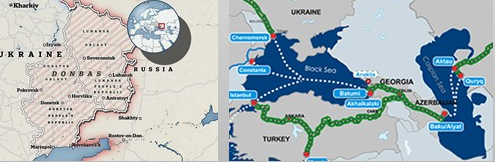
- On December 24, Moscow is discussing the possibility of sending fertilizers to Armenia through Azerbaijani territory, Russian Deputy Prime Minister Aleksey Overchuk said, Azernews reports. Overchuk described the first shipment of Russian grain to Armenia via Azerbaijan as a significant milestone. “An important event has occurred – the first train carrying Russian grain was delivered to Armenia through Azerbaijan and Georgia. This is the first time such a shipment has taken place since Armenia and Azerbaijan gained independence,” he said.
- On December 25, a senior official in Sudan’s Transitional Sovereignty Council (TSC) has ruled out any negotiations with the paramilitary Rapid Support Forces (RSF) as fighting continues to devastate the country. “There is no truce and no negotiation with an occupier, and that the just peace that Sudan desires will be achieved through the roadmap and vision of its people and government,” Malik Agar Ayyir, deputy chairman of TSC, said in a statement on Thursday posted by the Ministry of Culture, Media and Tourism.
- On December 25, a cluster of former officials and pundits in Tehran has sought to downplay the likelihood of a US-backed Israeli strike on Iran, arguing that Washington has little appetite for such military action. The claims have circulated amid growing public anxiety about escalation-concerns that have begun to ripple through Iran’s currency and gold markets. “Trump is no longer interested in playing Netanyahu’s game,” Nameh News, a conservative outlet widely seen as close to Iran’s intelligence community, quoted Heshmatollah Falahatpisheh, the former head of parliament’s national security committee, as saying.
- On December 25, Syrian authorities said security forces have carried out a second operation against ISIL (ISIS) fighters near Damascus, killing a senior figure described as the group’s governor of Hauran. In a statement that day, the Ministry of Interior said the raid killed Mohammed Shahadeh, also known as Abu Omar Shaddad, calling him one of ISIL’s senior commanders in Syria and a direct threat to local security.

On December 25, the United States has carried out an air strike against ISIL (ISIS) fighters in northwest Nigeria, US President Donald Trump said. “Tonight, at my direction as Commander in Chief, the United States launched a powerful and deadly strike against ISIS Terrorist Scum in Northwest Nigeria,” Trump said in a post on his Truth Social platform on Thursday evening. Trump said ISIL fighters had “targeted and viciously” killed “primarily, innocent Christians, at levels not seen for many years, and even Centuries!”. “I have previously warned these Terrorists that if they did not stop the slaughtering of Christians, there would be hell to pay, and tonight, there was,” Trump said. The US military’s Africa Command (AFRICOM), which is responsible for operations in Africa, said in a post on X that the air strike was carried out “at the request of Nigerian authorities” and had killed “multiple ISIS terrorists”.

- On December 26, Poland said its air force intercepted a “Russian reconnaissance aircraft” flying near the border of its airspace just hours after tracking suspected smuggling balloons coming from the direction of neighbouring Belarus. “This morning, over the international waters of the Baltic Sea, Polish fighter jets intercepted, visually identified, and escorted a Russian reconnaissance aircraft flying near the border of Polish airspace from their area of responsibility”, the Operational Command of the Polish Armed Forces said in a post on X the previous day.
- On December 26, Russian forces launched another overnight drone attack on Ukraine’s Odesa region on December 26, targeting multiple areas, including the city of Odessa itself. This was reported by the Head of the Odesa Regional Military Administration Oleh Kiper. According to Oleh Kiper, strike drones hit the Izmail and Odessa districts as well as the regional capital. The attacks caused fresh damage to energy and port infrastructure facilities.

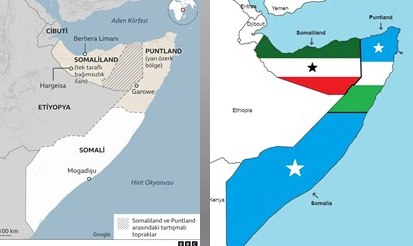
- On December 26, Israel became the first country to formally recognize the self-declared Republic of Somaliland as an independent and sovereign state – a decision that could reshape regional dynamics and test Somalia’s longstanding opposition to secession. Prime Minister Benjamin Netanyahu said Israel would seek immediate cooperation with Somaliland in agriculture, health, technology and the economy. In a statement, he congratulated Somaliland’s president, Abdirahman Mohamed Abdullahi, praised his leadership and invited him to visit Israel.
- On December 27, the Israeli decision to recognize Somaliland prompted an immediate diplomatic response by Egypt, Turkey, Somalia and Djibouti. As a result, Egypt’s Foreign Minister, Badr Abdelatty, led telephone consultations with his counterparts: Hakan Fidan (Turkey), Ahmed Moallim Fiqi (Somalia), and Mahamoud Ali Youssouf (Djibouti). In their joint statement, the diplomats reaffirmed their full support for the unity, sovereignty, and territorial integrity of the Federal Republic of Somalia. They also consider the Israeli move to violate the established international order. It is worth noting that this regional rejection comes after Israeli Prime Minister Benjamin Netanyahu and Somaliland President Abdirahman Mohamed Abdullahi signed a mutual recognition agreement. As a result, Israel becomes the first nation to grant state status to this region, which declared its de facto independence from Somalia in 1991.
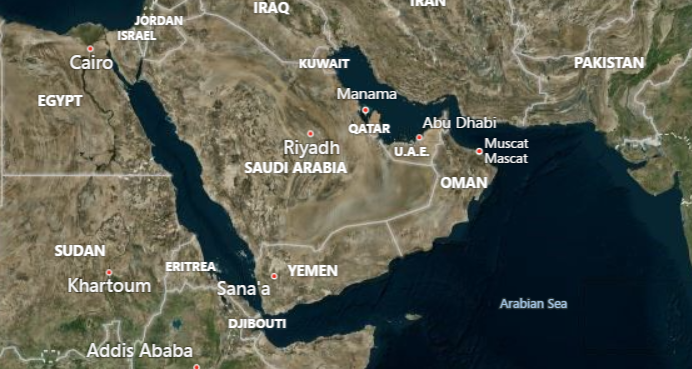
On December 27, Iran on Friday 26 said it seized a foreign-owned oil tanker traveling through the strategic Strait of Hormuz in the Middle East . State-affiliated media reported that Revolutionary Guard naval forces captured the vessel after determining it was illegally transporting more than 25,000 barrels of foreign oil through the strait. Islamic Revolutionary Guard Corps forces also detained 16 crewmembers from the ship, IRNA News reported. Iranian officials have not disclosed the nationality of those on board, the name of the vessel or its destination. Name and nationality of ship has not announced yet.

- On December 27, the Saudi-led coalition in Yemen said it will respond to any separatist military movements that undermine de-escalation efforts in the southern region, as Riyadh doubles down on calls for the group to “peacefully” withdraw from recently seized eastern provinces. Saudi Arabia’s Defence Minister Khalid bin Salman said on X that “it’s time” for troops from the separatist Southern Transitional Council (STC) to “let reason prevail by withdrawing from the two provinces and doing so peacefully”.
- On December 28, Ukrainian President Volodymyr Zelenskyy and U.S. President Donald Trump will meet in Florida to hammer out a plan to end the war in Ukraine, but face major differences on crucial issues and provocations from Russian air attacks. Moscow has repeatedly insisted that Ukraine yield all of the Donbas, even areas still under Kyiv’s control, and Russian officials have objected to other parts of the latest proposal, sparking doubts about whether Russian President Vladimir Putin would accept whatever Sunday’s talks might produce. The Ukrainian president told Axios he still hopes to soften a U.S. proposal for Ukrainian forces to withdraw completely from the Donbas. Failing that, Zelenskyy said the entire 20-point plan, the result of weeks of negotiations, should be put to a referendum vote.
- On December 28, Guinea votes in a presidential election widely expected to hand Mamady Doumbouya, who seized power in a 2021 coup, a seven-year mandate, completing the West African nation’s transition back to civilian rule. The former special forces commander, believed to be in his early 40s, faces eight other candidates in a fragmented field with no strong challenger. Ousted president Alpha Conde and longtime opposition leader Cellou Dalein Diallo remain in exile.”
MARITIME SECURITY INCIDENTS: December 15-29, 251
| INCIDENT No | INCIDENT Type | INCIDENT TIME | INCIDENT DETAILS |
1 In accordance to JMIC and/or UKMTO sources

| GEOPOLITICAL AWARENESS / ASSESSMENTS SECTIONS (CONTEXT TABLE) | |||
| VICINITY / AREA / DOMAIN | OVERALL | THREAT’s sections | RISK’s sections |
| THE GEOPOLITICAL PROFILES & INTERNATIONAL SECURITY (G3is) | X | – | – |
| Libya – Central Mediterranean | – | X | – |
| Syria (Middle East issue in East Mediterranean region) | – | X | – |
| Lebanon (Middle East issue in East Mediterranean region) | – | X | – |
| Gaza-Israel (Middle East issue in East Mediterranean region) | – | X | – |
| Sudan-Eritrea–Ethiopia | – | X | – |
| Red Sea – Yemen | – | X | – |
| Northern Persian Gulf / Iran-Israel conflict | – | X | – |
| RUSSIA-UKRAINE war (Black Sea / NW part) | – | X | – |
| RUSSIA-UKRAINE war (Baltic Sea / NE part) | – | X | – |
| Cyber-Defense / assessment and mitigation of Risks by CyberPax | – | X | – |
| Terrorism – piracy and also cargo theft, smuggling, stowaways | X | X | – |
| Gulf of Guinea | – | – | X |
| Central Mediterranean Sea – Libya | – | – | X |
| East Mediterranean Sea | – | – | X |
| Suez Canal – Northern Red Sea | – | – | X |
| Bab-el-Mandeb Straits – Southern Red Sea | – | – | X |
| Gulf of Aden – Somalia | – | – | X |
| Arabian Sea – Gulf of Oman | – | – | X |
| Hormuz Straits – Persian Gulf | – | – | X |
| Malacca Straits | – | – | X |
| Black Sea / East Part | – | – | X |
| Baltic Sea / West part | – | – | X |
| Taiwan – Japan & South China Seas | – | – | X |
| Piracy – Boarding conditions, kidnapping, firing, electronic harassment | X | – | X |
| OVERALL ASSESSMENT – CONSULTING | X | – | – |
| ANNEXES TO “SECURITY ASSESSMENT” | |||
| ANNEX “A”: Overall Threats / Risks Level per SGUARDIAN SECURITY ASSESSED AREA | X | – | – |
| ANNEX “B”: Lessons Learned & Useful documents and manuals for GNSS interference | X | – | – |
THE GEOPOLITICAL PROFILES & INTERNATIONAL SECURITY (G3is)


- Geo-political / Geo-Strategic profile: The world right now feels pretty unstable when it comes to geopolitics. There’s this unmanaged multipolarity going on, plus spheres of influence that overlap in messy ways, and then all these regional tensions happening at the same time. Direct fights between big powers are held back usually, but the indirect stuff keeps going, like competition that’s not out in the open, and risks shifting around, especially in maritime areas or those flashpoints. Strategic talks help avoid some miscalculations, but they don’t really fix the deeper rivalries that are there. Tensions are just going to keep up into next year, it is assessed. Certain zones have these hot spots, for example Libya in “Maritime Europe and Maghreb”. Then there’s the East Coast of Mediterranean in “Middle East and Arabic peninsula”, and Nigeria, Benin and Equatorial Guinea in “ECOWAS”. Overall the system has this continuous tension, risks spread out everywhere. Crisis management feels fragile, not like some solid order that lasts. The Geo-politic zone referred as “Maritime Europe & the Maghreb” shown on the above-mentioned chart has been un-stabilized from the beginning of “Arab Spring”, difficult to be inserted in the new Geo-politic 21st century multi-polar system as a unified influence-zone.
- Geopolitical / Geo-economic Profile: The whole global setup seems to be heading into this big split, geo-economic fragmentation as we could call it. Trade routes and energy flows, technology stuff too, are getting pulled more by geopolitical fights than just trying to be efficient. It feels like everything is less about smooth operations now. Things like energy shifting around, risks in maritime security, plus climate pressures hitting hard, and labor issues in big economies, all that is making markets way more volatile. I think its reinforcing this shaky feeling across the board. Then there are these new routes opening up, like in the Arctic, which brings in fresh strategic risks and commercial headaches. Greece is kind of stepping up in this mess, becoming a solid hub for energy and logistics, digital infrastructure, shipping too. Greece has this renewed cooperation with the United States, and at the same time Greek Shipowners dominate in tanker and LNG fleets globally. That helps a lot. Investment chances are growing, sure, but geopolitical tensions keep things tense. Regulatory stuff and changing trade flows, make the whole operating landscape full of uncertainty.
- International Security / Strategic sector: It is assessed that this year will end without any significant change in international security situation. In addition, the escalation of attacking methods, the use of high-hybrid technology and the spread of the attacks by states in other areas appeared in several cases, show the trend of transferring conflicts to other terrains, as SEA GUARDIAN had warned for through its Security Assessments. Transformation of Geo-policy into a multi-polarity concept leads international security threats being multi-targeting.
- Global Maritime Security profile: The current year was a year of war conflicts and many kinds of attacks to shipping from ballistic missiles to piracy and state detentions. This has proved that shipping companies the year 2026 need more than ever military power support, security guarding, cyber-defense as well as a system of assessment, warning and reporting means. This would be the response to the new era threats and the necessity is ensued from the use of technological improvements on the command and control of shipping activities in open seas, as well as in coastal waters and even in the harbors. We ought to enlist all defense capabilities, from security digital risk and intelligence products to the UAVs and underwater robotics for ships inspections.
- These issues were lately presented by the SEA GUARDIAN President in NAFTEMPORIKI TV at the following link: https://www.youtube.com/watch?v=Pt6GS7QohAI.
THREAT ASSESSMENT UPDATE:
Military Operations
- Libya is still really split up in a big way and structurally fragmented. The political stuff is just deadlocked, so nothing much gets reformed, and the state institutions can’t reach everywhere they need to. It feels like governance has these huge gaps, and enforcement is pretty weak, which messes with trying to build up security or regulate the economy properly. On top of that, there are these growing parallel financial markets and all this unlicensed currency trading going on. This phenomenon weakens the monetary authority a lot, helps with illicit financing, and makes the exchange rates even more unstable.
- That kind of setup leaves Libya open to problems spilling over from outside, especially out in the sea areas. The current year has passed without any real progress towards a unification of the country, moreover as the clashes are imminent to the triangle of Egypt-Libya-Sudan produced by the Eastern part of HOR policy of either supporting or offending RSF in the South. The recent air accident in Turkey with the jet plane having onboard the Head of the Armed forces and its stuff made a serious impact in the efforts of internationally recognized government of Tripoli.
SEA GUARDIAN had assumed that there is a possibility of Libyans used Ukrainian technology for the attacks during the summer, while it was denied by Ukrainians in accordance with an article of August 28. A new article published containing in “key developments” of this assessment, re-emergences the possibility of Ukrainian involvement in such attacks.
It is assessed that all these events together just keep the governance paralysis going on. It positions Libya in a gray zone risk for security and economic stability. There is a strong possibility the blind attacks to shipping occurred in Libyan territorial waters have been executed by Ukrainians or other western supporters of Ukraine.
Triggers and risks indicators remain unaltered per area as initially cited in
SEA GUARDIAN SECURITY ASSESSMENT 25/15, July 10 and SEA GUARDIAN SECURITY ASSESSMENT 25/17, August 13
.
Overall threat/risk level: “MEDIUM” // Analyzed in : Military/Paramilitary/Terrorism: “MEDIUM” – ICC/Piracy: “NSR” (NO SIGNIFICANT REPORT) – Hijacking/Fired/Kidnapping: “MEDIUM” – GNSS interference: “LOW”.
Syria (Middle East issue in East Mediterranean region) - Syria’s efforts to gain international recognition are progressing slowly. This is thanks to selective diplomatic outreach and some easing of sanctions. However, ongoing regional rivalries and unresolved internal divisions still limit these efforts.
- The ongoing U.S. and partner-led strikes against ISIS show that militant threats remain. External military involvement continues, especially in southern and central Syria. While these operations help control terrorism, they also contribute to local instability due to tensions are creating as well as interim government shows signs of not controlling ISIS groups are included in HTS.
- The external support is not steady while Turkey pursues its own goals for the next day in Syria as well as Arabic states, Israel with the Lebanon seeking for stability in their mutual territories with the situation being as it is at the first semester of the next year with Syria continue to be in the zone of an unsuccessful country which in return could create one more Geo-political problem in the Mediterranean.
- Overall, spillover effects in the region are kept in check, but security issues in southern Syria and around its ports continue. This situation keeps maritime and commercial risks high and calls for careful, case-by-case engagement.
Triggers and risks indicators remain unaltered per area as initially cited in
SEA GUARDIAN SECURITY ASSESSMENT 25/23, November 13.
Overall threat/risk level: “MEDIUM” // Analyzed in
: Military/Paramilitary/Terrorism: “HIGH” – ICC/Piracy: “NSR” – Hijacking/Fired/Kidnapping: “MEDIUM” – GNSS interference: “MEDIUM”
Lebanon (Middle East issue in East Mediterranean region)

- Lebanon’s maritime environment remains generally stable but fragile due to ongoing tensions between Hezbollah and Israel.
- Recent Israeli airstrikes in southern and eastern Lebanon, alongside ongoing efforts to disarm Hezbollah south of the Litani River under a ceasefire deal, highlight the potential for localized instability.
- It is assessed that the effort of Hezbollah disarmament results is controversial amid the announcements that it is going to be finalized the next period.
It is also assessed that the state is in an unstable situation and will be also the first semester of the next year, and while broader Mediterranean shipping is unlikely to be affected, near-coastal operations and port calls require cautious planning and continuous monitoring. - Triggers and risks indicators remain unaltered per area as initially cited in
SEA GUARDIAN SECURITY ASSESSMENT 25/23, November 13.
Overall threat/risk level: “HIGH” // Analyzed in: Military/Paramilitary/ Terrorism: “HIGH” – ICC/Piracy: “NSR” Hijacking/Fired/Kidnapping: “MEDIUM” – GNSS interference: “MEDIUM” - Gaza-Israel (Middle East issue in East Mediterranean region)
- Maritime operations near Gaza remain high-risk due to ongoing military activity, political instability, and limited governance, requiring vessels to maintain vigilance and robust security measures.
- Diplomatic tensions are rising as Qatar warns that repeated Israeli ceasefire breaches in Gaza threaten the stability of the agreement, complicating mediation efforts. Meanwhile, Israel’s approval of new settlements in the West Bank exacerbates regional tensions and undermines prospects for a Palestinian state, contributing to an increasingly volatile security and political environment.
- It is assessed that even until the end of the first semester of this year the situation will not change amid the operations of Israel, the settlement of Gaza strip, the internal conflicts in Gaza between Hamas and Palestinians rivals amid a hazardous humanitarian situation.
Triggers and risks indicators remain unaltered per area as initially cited in
SEA GUARDIAN SECURITY ASSESSMENT 25/23, November 13.
Overall threat/risk level: “MEDIUM” // Analyzed in: Military/Paramilitary/Terrorism: “HIGH” – ICC/Piracy: “NSR” – Hijacking/Fired/Kidnapping: “LOW” – GNSS interference: “MEDIUM”
- Sudan’s conflict remains highly fatal and lengthy, threatening regional security and creating instability of maritime routes in the Red Sea. UN humanitarian operations are disrupted, and risks to trade and energy transport remain elevated.
- In Ethiopia, the Tigray administration is seeking renewed investment and loans to support housing, construction, and employment, signaling cautious economic recovery amid lingering post-conflict challenges.
- The Geo-political issue which undermines any effort towards peace, is not only the civil-military deepened gap between parties inside Sudan, but also the clash between Ethiopia and Eritrea which is related to the restriction of the first to have access to the Red Sea coasts (landlocked country). A new peace plan came upon by the Arab League, but is difficult to be implemented in the near future, due to the deep gulf between military and paramilitary forces in Sudan.
- It is assessed that this triangle will continue to be in the zone of high tensions while shipping companies that are obliged for “port of calls” i.e. in port Sudan, should maintain contingency and security plans to be implemented.
- Triggers and risks indicators remain unaltered as cited in SEA GUARDIAN SECURITY ASSESSMENT 25/15, July 10.
- Overall threat/risk level: “MEDIUM” // Analyzed in: Military/Paramilitary/Terrorism: “HIGH” – ICC/Piracy: “NSR” – Hijacking/Fired/Kidnapping: “LOW” – GNSS interference: “NSR”
- Northern Yemen remains volatile, with factional conflicts and competing authorities undermining security. Separatist advances in the east and Houthi actions against international organizations’ staff, depict the fragmented nature of the conflict and the rising risks for humanitarian and external actors.
- It is assessed that while the Red Sea corridor is relatively stable more than three months now, localized maritime and onshore threats persist, requiring continued caution and high readiness.
- SEA GUARDIAN consults Shipping companies to maintain high level of readiness while sailing through the area.
- Triggers and risks indicators remain unaltered as in SEA GUARDIAN SECURITY ASSESSMENT 25/15, July 10.
- Overall threat/risk level: “MEDIUM” // Analyzed in: Military/Paramilitary/Terrorism: “LOW” – ICC/Piracy: “LOW” – Hijacking/Fired/Kidnapping: “HIGH” – GNSS interference: “MEDIUM”
Northern Persian Gulf / Iran-Israel conflict
- Maritime risks remain high due to Iran’s assertive maritime enforcement and heightened security posture. Tehran’s intensified crackdown following recent regional conflict reflects elevated tensions and a hardline approach, increasing the risk of rapid escalation.
- The ships’ detention actions are on the scene while the internal tensions are not connected with the Iran’s drawback of its nuclear program. The latter is related to the pursuance of the revolutionary guards to clear the political picture by any possible internal threat and control the economy and the trend for inflation in Iran.
- Vessels should maintain strict compliance, vigilance, and readiness for sudden incidents.
- Triggers that could create escalation are: deployment of additional US military forces or equipment to the region, Iranian military exercises and the stalemate in UN-brokered peace talks on Yemen.
- Overall threat/risk level: “MEDIUM” // Analyzed in: Military/Paramilitary/Terrorism: “MEDIUM” – ICC/Piracy: “NSR” – Hijacking/Fired/Kidnapping: “HIGH” – GNSS interference: “LOW”
RUSSIA-UKRAINE war (Black Sea / NW part)
- Black Sea shipping remains highly exposed due to the ongoing military operations between Russia and Ukraine, as well as a variety of hybrid threats. Continued international support for Ukraine by the EU and reports of civilian abductions highlight a protracted and escalating conflict, sustaining elevated security and humanitarian risks, especially now the negotiations for a cease fire are ongoing.
- European countries still do not show signs of direct military involvement in the war, while sanctions over any Russia treasure being in EU states, mainly in Belgium, are confronted by states consent. This initiative was to be taken up for Ukraine’s reimbursement for the next year to continue its struggle. The year 2026 if the US-Ukraine-Russia negotiations will not achieve ceasefire and peace it will be very hazardous. Ukraine has already expanded the area of war beyond its boundaries, launching attacks against supposed Russian “shadow fleet” and sanctioned companies.
- The new “20-point peace proposal” that is negotiated last Sunday in Florida between Zelenskyy and Tramp could alleviate the situation having four focal points and two pre-conditional terms which are: Ukraine’s NATO membership, territorial concessions, elections and demilitarized zones. Also, the announcement of Zelenskyy’s willingness to accept the creation of some kind of “free economic zone in Donbas” is correlated to the agreement and all this has to be granted by a referendum. It seems that Tramp’s main ambition is to close 2025 with one more “peace agreement”.
- On the other side Russia tries to protect its oil exports by positioning military personnel onboard Russian merchant vessels. It is assessed that the re-emergence of strikes in Ukrainian ports shows that Russia is not willing to close quickly a “peace agreement”.
- Vessels should maintain heightened awareness while sailing in the Black Sea, to adopt strict security measures, and have robust contingency planning.
- The triggers and indicators per area remain as in the SEA GUARDIAN SECURITY ASSESSMENT 25/20, September 30 and SEA GUARDIAN SECURITY ASSESSMENT 25/19, September 16 .
- Overall threat/risk level: “HIGH” // Analyzed in: Military/Paramilitary/Terrorism: “HIGH” – ICC/Piracy: “NSR” – Hijacking/Fired/Kidnapping: “HIGH” – GNSS interference: “HIGH”
RUSSIA-UKRAINE war (Baltic Sea / NE part)
- The Baltic Sea remains a high-risk operating environment due to heightened NATO–Russia tensions, increased Russian naval activity, and persistent energy security concerns.
- Even if the recent periods we do not have any serious escalation, threats exist. Baltic Sea states maintain high alert while the threats are hybrid, sub-surfacing and offensive intelligence collecting amid the probability of expansion to the whole Baltic Sea.
- The pursues of International coalitions have been taken clear position on the Baltic Sea clash amid the threats of “shadow fleet” activities which continue to produce security and safety/environmental threats as those vessels do not follow international maritime standards and regulations.
- It is assessed that tensions in the area will not stop before any “ceasefire/peace agreement” in the war between Russia-Ukraine, having periodically escalation and de-escalation windows.
- Maritime operators should maintain elevated vigilance, enhanced security measures, and careful route planning.
- The triggers and indicators per area remain as in the SEA GUARDIAN SECURITY ASSESSMENT 25/20, September 30 and SEA GUARDIAN SECURITY ASSESSMENT 25/19, September 16 .
Overall threat/risk level: “HIGH” // Analyzed in: Military/Paramilitary/Terrorism: “HIGH” – ICC/Piracy: “NSR” – Hijacking/Fired/Kidnapping: “LOW” – GNSS interference: “HIGH”
Cyber-Threats / Risks assessment and mitigation by CyberPax (new section)

201 Imittou Street, Athens, 11632, Greece Our Mailbox: info@cyberpax.eu Our Phone: +30 210 7525 363
- OT Maintenance: When Updates Become a Navigation Risk.
- In shipping, “maintenance” is usually associated with engines, hull, and safety equipment. Yet today, some of the most critical maintenance decisions are taken not in the engine room, but in front of a keyboard.
- Onboard OT/ICS systems – ECDIS, engine control, power management, cargo handling – are increasingly interconnected with corporate IT.
- Software updates, remote access and vendor interventions are now part of daily operations. Applied correctly, they improve security and reliability. Applied blindly, they can introduce new vulnerabilities, cause unexpected downtime, or even create unsafe conditions at sea.
- Unlike IT, where a failed patch usually “only” affects availability or data, a failed or rushed change in OT can affect maneuverability, propulsion or power distribution. For that reason, any change in OT environments should follow
Structured rules:
* joint decision-making (OT engineer, ship management, IT/security),
* pre-change testing in a safe environment,
* clear rollback plans,
* enhanced monitoring after the change,
* full documentation and updated backups.
- CyberPax experience with critical infrastructures – including energy and industrial operators – shows that disciplined OT change management is one of the most effective ways to reduce both cyber and operational risk. For shipping companies, bringing the same discipline on board vessels and into shore-based technical departments is no longer optional; it is a prerequisite for safe and resilient operations in a connected world.
- 2-line risk snapshot
Viruses: LOW – Ransomware: HIGH – Worms: MEDIUM – Trojans: HIGH – Spyware: HIGH – Adware: LOW
Ransomware, targeted Trojans and spyware remain the most relevant threats for the maritime sector, especially via remote access and supply chain.
Terrorism – piracy and also cargo theft, smuggling, stowaways
- Taking into consideration that the next step of maritime command and control is centrality by the use of network systems, cyber defense takes a more important role in the security assessment, as threats could be either from terrorism, or piracy attacks.
- There are triggers which would provide warnings for an escalation or de-escalation of the threat/risk level which are as follows:
a. Military/Paramilitary and militias actions in the borderline of terrorism:
– Proliferation of weapons and tactics used not only by Houthi’s but also by other military/paramilitary forces in the previous years against shipping, with the scope to demolish shipping track-routes.
– Upheaval of states by other states or political groups, and policies over the control of certain countries.
– Reaction on a new era due to a change of political parties being on states’ leadership or states’ domination.
– Change of geopolitical influenced zones by super-powers or area-powers.
- Global Cyber-attacks from undefined control entities in the terms of insurgency.
b. The piracy / cargo theft / smuggling / stowaways:
– Unbalanced share of countries’ annual budgets or international aid.
– Upraising of opportunities covered by the blanket of war the previous period.
– Returning on usual trends for the accumulation of money to reimburse political and domination aims for controlling countries’ administration.
– Use of force through more modernized systems and tactics for destroying, smuggling, demolition of shipping track-routes or/and snatching of others’ contracts of shipping.
RISK ASSESSMENT
- The failed coup attempt in Benin is stirring up a lot of political trouble. It shows how internal security risks are getting worse, and potentially could spill over to nearby countries. The involvement of foreign military support makes it even more complicated, plus that key the figure from the coup managed to escape, which just adds to the uncertainty. The US executed strikes against ISIL in Nigeria, the first after Tramp had announced the military involvement of US in the area, shows that could change the security factors in.
- The Gulf of Guinea far than the organized piracy, presents an escalation of attacking vessels with the objective of sinking them. This escalation is connected with the criminality ashore while kidnapping hit a high rate in the regional countries, especially in Nigeria. The threat has been expanded reaching the coasts of Angola in the south while in the North part, Guinea is the third country for this year having presidential elections last Sunday. The electoral results and the continuity of normality is to be assessed by the end of next week.
- It is assessed that all this instability is raising the risk level along the West African coast. It seems like maritime incidents could happen more often, especially around ports and in coastal waters. Vessels operating in the area really need to stay vigilant, with better security measures in place. That part feels important, but it is not totally sure how far the spillover might go.
- SEA GUARDIAN advices to take over measures well in advance, when ships are approaching the coasts or having “port calls”, especially in Nigeria, Benin, Equatorial Guinea and Tonga.
- Indicators which altering the “risks levels” were reformed to: each state’s internal political confrontations, the factor of suffering from famine and public side-faculties, the non-control of ports and coastal security and the involvement of international military forces, especially US against ISIS in the area.
- Overall threat/risk level: “HIGH” // Analyzed in: Military/Paramilitary/Terrorism: “HIGH” – ICC/Piracy: “MEDIUM” – Hijacking/Fired/Kidnapping: “VERY HIGH” – GNSS interference: “LOW”
East Mediterranean Sea
- The Eastern Mediterranean is generally stable, but localized risks persist due to the ongoing conflicts in Lebanon, Syria, and Gaza. Shipping operators should maintain vigilance and implement pre-emptive security measures.
- There are several articles assesses that the states of Cyprus-Israel and Greece are strengthening their commercial and energy cooperation agreements, while Turkey by pursuing the will to dominate the East Med, creates uncertainty.
- It is assessed that the east Mediterranean is entering in a phase where the shipping activities would be more efficient but threatened by international perils.
- Indicators which altering the “risks levels” as in SEA GUARDIAN SECURITY ASSESSMENT 25/22, November 12.
- Overall threat/risk level: “LOW” // Analyzed in: Military/Paramilitary/Terrorism: “NSR” – ICC/Piracy: “VERY LOW” – Hijacking/Fired/Kidnapping: “LOW” – GNSS interference: “MEDIUM”.
Suez Canal – Northern Red Sea
- Major shipping lines are starting to do some test runs through the Suez Canal. It looks like they have a bit of cautious confidence about how stable things are in the Red Sea. But that does not really mean that the situation is back to normal for shipping. Regional conflicts are still going on, and all this geopolitical situation keeps making the environment pretty volatile.
- Operators probably need to keep their risk assessments different for each part of the Red Sea. Like, the canal transits seem lower risk compared to going through the Red Sea or stopping at ports there. That exposure feels a lot higher. It seems a kind of messy to balance all that out. International shipping community diversifies in opinion whether the situation is getting better or threats are still there.
- SEA GUARDIAN consults shipping to take every measure that is on its hand and the market, while the new year could bring up more complicated threats.
- Indicators altering the “risks levels” as initially cited in SEA GUARDIAN SECURITY ASSESSMENT 25/17, August 13.
- Overall threat/risk level: “LOW” // Analyzed in: Military/Paramilitary/Terrorism: “LOW” – ICC/Piracy: “NSR” – Hijacking/Fired/Kidnapping: “LOW” – GNSS interference: “LOW”
Bab-el-Mandeb Straits – Southern Red Sea
- The Bab el-Mandab Strait itself is generally safe, but its approaches from the Gulf of Aden and Red Sea carry elevated risk from Houthi and Somali-based actors. High fishing activity may obscure potential pirate threats, so vessels should maintain heightened vigilance and careful navigation planning.
- The existence of international maritime forces in the ports of Djibouti provide a kind of deterrence to piracy inside the straits, but does not assure the approaches of pirates and smugglers.
- It is assessed shipping ought to maintain high alert state even the aforementioned.
- Indicators altering the “risks levels” as initially cited in SEA GUARDIAN SECURITY ASSESSMENT 25/17, August 13.
- Overall threat/risk level: “MEDIUM” // Analyzed in: Military/Paramilitary/Terrorism: “LOW” – ICC/Piracy: “MEDIUM” – Hijacking/Fired/Kidnapping: “MEDIUM” – GNSS interference: “LOW”
Gulf of Aden – Somalia/Somaliland
- Pirates in Somalia are getting better at what they do, using modern tracking technology to boost their operational distance. This is happening at the same time as terrorism strikes. It feels like these threats from militants and criminals are mixing together, creating a really risky situation out at sea, not just close to the coast but farther out too.
- Temporary pauses of these groups attacking against shipping does not really mean the danger is going away. Vessels in the area are still exposed to attacks, both the direct kind and those based on far distance supported by advanced gathering intelligence.
- The official government of Somalia takes initiatives to enhance the number of military forces by enlistment but this is not a sign that the things will go better amid the official recognition of Somaliland as an independent state by Israel after its detachment from Somalia since 1991. The aforementioned recognition ignited, the reaction by Egypt, Turkey, Somalia and Djibouti formulating a new coalition against Israeli’s recognition. It also highlights the most important issue which is the disputed area between Somalia and Somaliland, with the Somalia being excluded from the coasts of Bab el Mandab straits. SEA GUARDIAN has highlighted the Israeli footstep on Somaliland in November 2024 by providing analysis and assessment in the SEA GUARDIAN SECURITY ASSESSMENTS 24/007, Nov 05, 24/010, Dec 05 & 25/01 Jan 03, 2025.
- It is assessed by some experts that the Houthi attacks are eliminated due to the lowering of tensions as the number has been reduced, but it seems the overall environment stays high risky, including to what we say “the battle of information” for the new year.
- Indicators altering the “risks levels” as initially cited in SEA GUARDIAN SECURITY ASSESSMENT 25/17, August 13.
- Overall threat/risk level: “HIGH” // Analyzed in: Military/Paramilitary/Terrorism: “MEDIUM” – ICC/Piracy: “HIGH” – Hijacking/Fired/Kidnapping: “HIGH” – GNSS interference: “NSR”
Arabian Sea – Gulf of Oman
- The Arabian Sea and Gulf of Oman are high-risk due to Iranian vessel detentions, Somali piracy, Houthi threats, and GNSS interference.
- This complex area is threatened on the both sides by different kind of threats due to the long-distance capabilities of Somalian pirates, Houthi’s attacks and Iran’s domination on the area. The mediation role of Oman is recognized as in several cases, Oman has achieved to mediate for Houthis’ hostages release and detained ships by Iran.
- On the contrary to the aforementioned, it is assessed that vessels should maintain heightened vigilance, strong security measures, and situational awareness while transiting the area even if the next “port of call” is eastward or westward.
- Indicators altering the “risks levels” as initially cited in SEA GUARDIAN SECURITY ASSESSMENT 25/17, August 13.
- Overall threat/risk level: “MEDIUM” // Analyzed in: Military/Paramilitary/Terrorism: NSR” – ICC/Piracy: “MEDIUM” – Hijacking/Fired/Kidnapping: “MEDIUM” – GNSS interference: “LOW”.
Hormuz Straits – Persian Gulf

- The Strait of Hormuz and southern Persian Gulf remain high-risk due to Iranian vessel interceptions, military exercises, and GNSS interference. It seems that Iran has re-dominate the straits after the end of the conflict with Israel, creating an uncertainty to shipping.
- The threat and risk in the area are directly connected with the Iran’s national rules under the assumption of Iran’s national property protection. This policy is leading to ships detention as it happened in several times, while the other coastal Arab states do not have any trend to confront Iran’s domination over the straits. The latest incidents show that the assumption of Iran will continue to detain ships, accusing them for violations according to its laws, rules and regulations.
- Vessels are consulted to maintain high readiness, experienced onboard security, and situational awareness. While transiting the area masters have to refresh their knowledge on national trends of Iran and potentially using traditional navigation techniques to avoid electronic interference.
- Indicators altering the “risks levels” as initially cited in SEA GUARDIAN SECURITY ASSESSMENT 25/17, August 13
- Overall threat/risk level: “HIGH” // Analyzed in: Military/Paramilitary/Terrorism: NSR” – ICC/Piracy: “NSR” – Hijacking/Fired/Kidnapping: “HIGH” – GNSS interference: “LOW”
- Maritime operations in Indonesia face elevated environmental, security, and cybersecurity risks as well as weather risks due to monsoon conditions, increasing exposure near anchorages and coastal waters. This area has a unique characteristic related to smugglers that is connected with their capabilities and experience assaulting onboard ships in different parts of the straits, related to the weather and traffic conditions each time, choosing several different points of attacking.
- Concurrently, Singapore’s expansion into licensed methanol bunkering, signals shifting operational and regulatory dynamics in regional shipping. While this enhances fuel supply resilience and innovation, proposes that vessels should ought to strengthen their security measures, as they would have to approach coasts more frequently.
- It is consulted vessels should maintain high readiness, robust security, and vigilance to manage weather-related threats alongside emerging technical and compliance challenges.
- Indicators altering the “risks levels” as cited in SEA GUARDIAN SECURITY ASSESSMENT 25/20, September 30.
- Overall threat/risk level: “HIGH” // Analyzed in: Military/Paramilitary/Terrorism: “NSR” – ICC/Piracy: “HIGH” – Hijacking/Fired/Kidnapping: “HIGH” – GNSS interference: “LOW”
Black Sea / East Part
- The South Caucasus and eastern Black Sea remain high-risk due to political unrest in Georgia and attacks on vessels linked to the “shadow fleet”.
- The new year will bring on the tensions in the area as the expansion of attacks against shipping eastward is imminent and the implementation of agreements for the shore commercial route connecting Asia with Europe is in development. Besides Russia try to re-emerge the commercial route from North to South vertical to the route Asia-Europe.
- It is consulted shipping operators should maintain heightened vigilance, robust security measures, and continuous monitoring of the area.
- Indicators altering the “risks levels” as initially cited in SEA GUARDIAN SECURITY ASSESSMENT 25/18, August 27.
- Overall threat/risk level: “MEDIUM” // Analyzed in: Military/Paramilitary/Terrorism: “NSR” – ICC/Piracy: “NSR” – Hijacking/Fired/Kidnapping: “LOW” – GNSS interference: “MEDIUM”
Baltic Sea / West part
- The Baltic Sea faces high-risk conditions due to hybrid threats, insurgency pressures, “shadow-fleet” activity, and sophisticated GNSS disruptions, interference and spoofing.
- It continues to be a sea area, which the “shadow-fleet” is passing through a NATO sensitive region for its defense. From the other hand Russia keeps a firm stance not to withdraw from its pursues amid a high dense fight for information and surveillance.
- Vessels are consulted to maintain heightened vigilance, robust security measures, and alternative navigation readiness while operating in the region.
- Indicators altering the “risks levels” as cited in SEA GUARDIAN SECURITY ASSESSMENT 25/20, September 30.
- Overall threat/risk level: “MEDIUM” // Analyzed in: Military/Paramilitary/Terrorism: “MEDIUM” – ICC/Piracy: “NSR” – Hijacking/Fired/Kidnapping: “LOW” – GNSS interference: “MEDIUM”.
Taiwan – Japan Sea
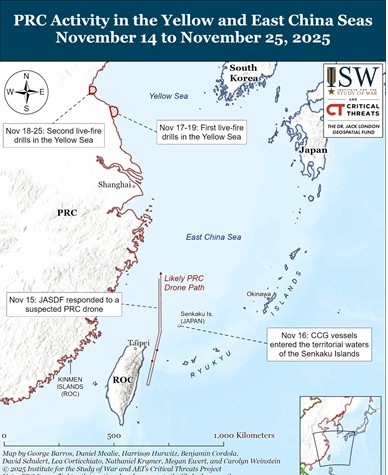
- Maritime operations in East Asia face increased risks due to ongoing tensions between China, Japan, and Taiwan. There is also a chance of military incidents and political disputes. Vessels operating in the region should stay alert and aware of their surroundings. They must be ready for unexpected changes to navigation and trade routes.
- Political events, like visits by Japanese lawmakers who support Taiwan, highlight the delicate nature of the relationships across the Taiwan Strait and in the region. These diplomatic activities might raise tensions and could indirectly impact maritime security and operational conditions in nearby waters.
- Recommendation: Keep a close watch on regional political changes and adjust operational planning to reduce the risk of sudden disruptions.
- Indicators that distort the “risk levels” as in SEA GUARDIAN SECURITY ASSESSMENT 25/21, October 16.
- Overall threat/risk level: “MEDIUM” // Analyzed in: Military/Paramilitary/Terrorism: “MEDIUM” – ICC/Piracy: “NSR” – Hijacking/Fired/Kidnapping: “LOW” – GNSS interference: “LOW”
Taiwan – South China Sea

- East Asia, especially the South China Sea, remains a high-risk area due to continued war games and territorial disputes between China, Japan and Taiwan. All shipping companies should have enhanced vigilance, especially on alternate routes and making contingency plans to be prepared for such a situation.
- Taiwan’s political dilemma of being deadlocked between DPP and KMT is causing foreign governments to worry about Taiwan’s political instability. A longer standoff could erode defense capabilities and political stability, eventually causing some nations to reduce their support for Taiwan.
- Implications:
- Risk to naval and regional security.
– The potential fallout for the international support for Taiwan and its broader geopolitical implications.
- Indicators that distort the “risk levels” in SEA GUARDIAN SECURITY ASSESSMENT 25/21, October 16.
- Overall threat/risk level: “LOW” // Analyzed in: Military/Paramilitary/Terrorism: “MEDIUM” – ICC/Piracy: “NSR” – Hijacking/Fired/Kidnapping: “LOW” – GNSS interference: “LOW”.
Piracy – Boarding conditions, kidnapping, firing, electronic harassment
- SEA GUARDIAN, having standardized the threats and risks, by region and by type and giving the levels of threats/risks that are generated each time, also lists in the current assessment the categories of threats according to the nature they appear when they manifest themselves as follows:
– The risks arising from side effects of military actions, such as collateral losses during intense exchange of missile attacks in the war between Israel and the Houthis, Hamas and Iran, Syria, Libya etc. (as happened in some cases to ships that were docked in Israeli ports).
– The risks from unprovoked military-type actions against Shipping accompanied by other actions or not. These are usually well-organized, either aimed at destruction (as in the attacks of July 6 and 7, 2025) or aimed at capture (as on July 24). These actions also include attacks of an international nature without a clear source of action.
– Piracy/theft itself, in an organized manner that results in capture and hostage-taking, as in the Gulf of Guinea.
– Opportunistic piracy/theft, as in the Straits of Singapore.
– And the methodical piracy/theft of entire ships that is exclusively aimed at ransom, from which there are usually no losses or injuries to crew members, but they cost the Shipping Industry dearly. The latter involves operations with international experience.
- Indicators that differentiate the “risks levels” remain the same as in SEA GUARDIAN SECURITY ASSESSMENT 25/18, August 27.
OVERALL ASSESSMENT – CONSULTING
- The world’s maritime trade is currently operating in a state of highly unstable balance due to geopolitical tensions, regional conflicts, and increased cases of piracy and other kinds of criminal activity at sea. “Belt and road” sea routes, such as the Red Sea, Gulf of Aden, Black Sea, Mediterranean, and Pacific routes, are at risk of being suddenly re-routed.
- The changing routes for commercial activity and the supply chain for resources are also influenced due to trade barriers, tariff demands, and strategic challenges, while climate change is also impacting global logistics; melting ice in the Arctic opens new routes but also new threats against specific states’ willing to exploit them.
- Military operations are still at a tense level in a number of theaters, including more maritime confrontations, strikes on vessels by drones, suggestions of a higher level of submarine activity, and more exercises close to major flashpoints. Landslide political instabilities—coups, leadership crises, mass kidnappings, and a lack of progress on the peace process—go on associated with trade reliability and seaport security. Military groups continue to mount additional pressure on global institutions that further complicate humanitarian and commercial activities.
- Shipping markets are also not immune to such concerns. The spot market for LNG shipping is highly priced owing to strong demand, low capacity, and geopolitical tension, whereas shipping vessels are undergoing a rebalancing process due to a cautious approach in overall container traffic. The cost of risk-insurance continues to remain at a higher level, compressing global supply chains’ overall costs through a compounded inflation process.
- Technological progress, such as the use of UAV and USV, adds instead to operational efficiency; however, higher digitalization risks investment in ships and ports being vulnerable to cyber-attack threats, including GNSS spoofing.
- Indeed, the current state of the maritime and geopolitical environment that surrounds the world is marked by instability, security risks, economic challenges, and environmental factors. Although there is certain adaptation by the commercial sector through technology and route diversification, Maritime Intelligence, Cyber Security Readiness, and Maritime Risk Analysis are essential for decision-making.
- The main points of the new year 2026 seem to be:
– The “ceasefire/peace” in wars (Israel and Ukraine) could bring an escalation on Terrorism or actions on the borderline of Terrorism spread far from the regions of war.
– The un-stabilized states not only in the Mediterranean such as Syria and Libya but also anywhere (Gulf of Guinea, Cambodia, Myanmar etc.).
– The competition over the new route of the Arctic cycle.
– The enhancement of International Cyber-attacks number.
– The deficiencies of Military presence in multiple points.
– And last but not least the reform of the 21st century Geo-politic theory which is going to change the transportation chart.
“SEA GUARDIAN SG LTD PMSC wishes a happy, tranquil and prosperous new year 2026 standing up continuously on the International Security Situational Awareness”
ANNEX “A” TO PERIODIC “SECURITY ASSESSMENT”


Sea Guardian S.G. Ltd / Intel Department (www.sguardian.com / +30 6944373465) can support your operational planning, assist in determining the risk assessment and aid in decision making by producing tailor-made assessments upon request on ports in the region, on routes, on cargoes and specific merchant vessels. You can refer to our previous Threat & Risk assessment analysis briefs for more information and background analysis on the events and situation for each specific region.
ANNEX “B” TO PERIODIC “SECURITY ASSESSMENT”
| LESSONS LEARNED | ||
| INCIDENTS | REACTIONS | TRANSFORMATION NOTICES |
| The attacks on July 2025 in RED SEA | The permanent contact with the shipping company hiring maritime security teams. | Developing independent international relations and operational apps for supporting crew recovery after a submerging. |
| The defensive actions against the attack on ETERNITY C | The Security management and team’s high standards in decision-making proccesses in international environment respecting the ship’s Captains’ capacity. | Developing of training standards. |
| The attacks on July 2025 in RED SEA | The active contingency plans and business impact analysis in case of discontinuation with the guarding of security teams (such an attack difficult to be faced by small arms). | Further implementation of maritime/ISO standards. |
| The aftermaths analysis of the ETERNITY C submersion | The possible changing in Houthis attacking methods not only to destroy but also to attain ships under their internal coast guard rules for ransoms in the form of penalty fees to liberate it. | Specifying and bordering threats/risks analysis for depicting what needs military response. |
| Inbound in an area of high military/ paramilitary threats with all navigational aids and AIS closed | Opened all the navigational aids and AIS / communication systems on after having had attacked by ballistic or related missiles while visual targeting was available due to the lack of international naval forces. | Stabilize the closed navigational aids to prevent targeting with the necessity of giving information through them to friendly entities. |
| The detailed analysis after a special interview of security crew assessing decision-made | A fundamental analyzed decision, involves choosing whether to abandon a sinking ship using a lifeboat for safety, or to escape directly into the sea with only life jackets, while under the threat of attacking boats searching for survivors. | Balance the threat of being targeted while in the sea with the threat environmental and geography conditions to survive. |
| The re-emergence of piracy in Gulf of Aden-Somalia | From the latest incidents in the area it was proven that the existence of Maritime security teams is paramount as well as the continue of military Maritime operations in the area is a necessity. | The overall security umbrella is achieved if: – A consistent/ coherent Security assessment has been done in advance – Military Maritime operations in the region are exist – The use of Security teams onboard for a widen area is available. |
Usefull links for conflict indexes and picture of piracy attacks in:
- ACLED and IMB/ICC for the war threat levels and International commerce crime incidents.
- Companies under sanction by Ukraine (Black Sea):Database Of Legal Entities Under Sanctions
- https://www.youtube.com/watch?v=Pt6GS7QohAI, for an overall general assessment by the SEA GUARDIAN President presented at Naftemboriki TV (Shipping) for the latest period, covering the time-frame before and after the Houthis ballistic, drones and UCAV attacks.
Sea Guardian S.G. Ltd / Intel Department (www.sguardian.com / +30 6944373465) can support your operational planning, assist in determining the risk assessment and aid in decision making by producing tailor-made assessments upon request on ports in the region, on routes, on cargos and specific merchant vessels. You can refer to our previous Threat & Risk assessment analysis briefs for more information and background analysis on the events and situation for each specific region.
______
Viewers can connect with the last report here below in order to have a continuation; here is the link:

