





Brief Update: No 08-1/2026 Date: April 30, 2026
Executive summary
- This document has been approved for distribution by SEA GUARDIAN S.G. Ltd / Intelligence Department. The provided Intelligence and Information derives from open sources, the Institute for the Study of War (ISW), the Joint Maritime Information Center (JMIC) and the United Kingdom Maritime Trade Operations (UKMTO) respective Web Pages. Additional products retrofit the company’s Strategic/Operational and Security situational awareness processes, for risks and threat assessment and impact to the Maritime Security. All rights reserved, “no part of this risk assessment may be reproduced in any form (electronic, mechanical, paper, or other means) without written permission by SEA GUARDIAN S.G. Ltd, which maintains the rights for personal data of the document writers”. Under no circumstances can SEA GUARDIAN S.G. Ltd be held responsible for any loss or damage caused by a reader’s reliance on information obtained by this assessment, especially on its firms, company’s management, or individual decision-making.
To provide the maritime industry and Security Stake or Shareholders in a 15-day cycle, with:
| – Major maritime security incident summary and analysis in Geo-strategic frame for Operational Security and Security of shipping for the period April 15 to 30, 2026. – Assessment updates concerning military operations – terrorism – piracy and cargo theft, hijacking and detentions, smuggling, stowaways, ships fired, crew losses and Cyber-threats, covering a wide spectrum of threats/risks from Maritime Security to Navigational Safety. |
- SEA GUARDIAN, pursues innovative approach by analyzing Maritime Security in accordance with international standards and a certain frame of Geo-policy, including synergies with a subject matter expert (SME) entity for Cyber-defense, adding a relevant section in the assessment including the most important sectors of policy, methods and training to mitigate cyber threats and risks.
- Important notes:
1. The Assessment is produced by the R&I team in a global sense covering 23 different regions and giving to readers the capability to study it as a whole, or focusing on areas of interest through the context table, as it extends to more than 30 pages.
- You can navigate directly to:
[MARITIME SECURITY INCIDENTS] or [ASSESSMENT’s SECTIONS
CONTEXT TABLE]
Recent Key Developments (RESUME + LINK TO..)
April 15
- The U.S. military has launched a naval blockade on Iran, aiming to stop maritime trade to and from its ports. The move was announced by Admiral Brad Cooper Commander of United States Central Command after failed talks between the U.S. and Iran. The blockade is meant to increase economic pressure and could impact regional trade and global energy markets.
April 16
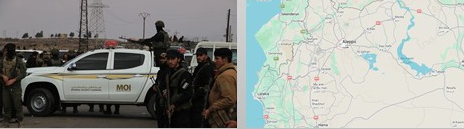
- Syrian authorities arrested a cell linked to ISIS in eastern Aleppo during a joint security operation. Several suspects were detained and weapons were seized, reportedly intended for terrorist attacks. Authorities also recently stopped another plot in Damascus involving a separate group.
- The League of Arab States proposed five key principles to help resolve the war in Sudan during a meeting in Berlin. These include Sudanese-led political talks, a unified peace roadmap, and coordination of ceasefire efforts. The plan is supported by international groups like the UN and EU, aiming to end the conflict between the Army and the Rapid Support Forces and address the ongoing humanitarian crisis.
April 17
- Iran says the Strait of Hormuz is open again, easing oil supply fears and lowering prices. It is unclear which ceasefire this relates to, and while tensions have cooled, the situation remains uncertain.
- Israeli settlers reportedly attacked Palestinian homes in the southern West Bank, burning two vehicles in the Hebron area, according to a local activist. The incident is part of a wider surge in violence in the West Bank since October 2023, with hundreds of attacks reported monthly.
- Palestinian sources said thousands have been killed or injured and tens of thousands arrested amid ongoing tensions.
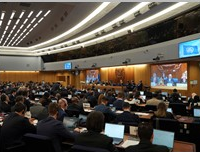
- The International Maritime Organization’s Legal Committee has approved a new set of guidelines to improve transparency and due diligence in ship registration, as well as prevent fraudulent registrations and misuse of flags. The guidelines help to close a key regulatory gap for the maritime industry, given there is currently no binding international framework to regulate the registration of ships. The newly approved guidelines will assist new and existing flag State ship registries by providing practical measures to strengthen verification and due diligence, ensure accurate ownership records, and improve oversight of registration procedures.
- Three sanctioned Iranian oil tankers carrying about five million barrels of crude successfully exited the Gulf via the Strait of Hormuz, marking the first such passage since a reported U.S. blockade and signaling ongoing tension between Iran and the United States.
April 18
- Police in Benue State, Nigeria say they have rescued some victims of a kidnapping in Otukpo and arrested seven suspects during a joint security operation. Authorities say the victims were passengers in a bus, not part of a student exam convoy as wrongly reported online. Security forces are still searching for remaining abductees while investigations continue.
- China announced joint naval and air force drills in the East China Sea shortly after a Japanese destroyer, JS Ikazuchi, transited the Taiwan Strait. Japan said the ship’s passage was routine, while China’s Eastern Theater Command labeled it a provocation and said it had monitored the vessel. Beijing described the drills as part of its planned 2026 training schedule, amid heightened regional tensions involving Taiwan and nearby maritime routes.
- Oil shipments from the United States through the Panama Canal have reached their highest level in nearly four years, exceeding 200,000 barrels per day in early April. The increase is linked to disruptions in Middle Eastern supply routes, particularly tensions around the Strait of Hormuz, which have pushed Asian refiners to rely more heavily on U.S. crude exports as an alternative source.
ril 19
- The Yemen Oil Company branch in Al Hudaydah Governorate has launched a comprehensive campaign to inspect and calibrate fuel station meters and pumps. The initiative aims to improve market oversight, ensure accurate fuel quantities, prevent fraud, and enforce safety standards to better protect consumers in Yemen.
- Repsol has signed an agreement with Venezuela and state oil company PDVSA to boost oil production, aiming to increase output by 50% within one year and potentially triple it within three years. The deal includes Repsol regaining operational control of the Petro-multi-layered field and expanding cooperation in Venezuela’s oil sector.
April 20
- The Nigerian Navy intercepted and rescued three suspected stowaways aboard the merchant vessel MSC STELLA near Lagos on April 19. The operation was carried out by NNS BEECROFT following intelligence from the Western Regional Control Centre, as part of efforts to strengthen maritime security.

- Somalia warned it could restrict access to the strategically vital Bab el-Mandeb Strait in response to Israel recognizing Somaliland and appointing an Ambassador there. The statement signals rising tensions over Somalia’s territorial integrity and highlights potential risks to a key global shipping route.
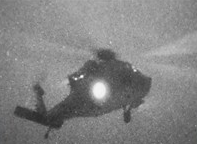
- The U.S. military released footage showing Marines rappelling from helicopters, boarding, and seizing the Iranian-flagged vessel Touska in the Gulf of Oman as part of enforcement operations tied to sanctions and a maritime blockade against Iran. The operation involved disabling the ship before boarding, and the footage highlights an escalation in U.S. maritime interdiction activity in the region.
- In March 2026, the container throughput of Baltic Basin ports grew relative to the March 2025 figure by 12.2%. According to data from the SeaNews PORTSTAT online analytical service, imports increased by 7.2%. Exports decreased by 9.2%. 64.6% more was handled in cabotage than a year earlier.
- Iranian media claim Iran warned of retaliation after a U.S. operation against an Iranian ship in the Gulf of Oman and say Iran responded with drone attacks on U.S. vessels. U.S. sources claim they seized an Iranian cargo ship near the Strait of Hormuz, while Iran also reportedly rejected new peace talks with the U.S.
April 21
- EU foreign policy chief Kaja Kallas said Georgia is showing no signs of reversing what the EU describes as democratic backsliding. Following a meeting of EU foreign ministers, she reported a unified message urging Tbilisi and the ruling Georgian Dream party to change course and engage more seriously on human rights issues, reflecting growing tension between Georgia and the EU over governance and democratic standards.
- The Russian Coast Guard, operating under the Federal Security Service (FSB), is being modernized with ice-capable vessels to strengthen Moscow’s presence in the Arctic. Its main roles include enforcing Russia’s exclusive economic zone (EEZ) and regulating access to the Northern Sea Route (NSR), a key shipping corridor between the Bering Strait and the Barents Sea. Although formally a maritime law enforcement body rather than a military force, it plays a strategic role in Russia’s efforts to assert control over Arctic navigation and resources.
April 22
- The global rise of synthetic drugs and digital drug trafficking is making anti-narcotics efforts more difficult. According to the UNODC World Drug Report 2025, over 300 million people used drugs last year, and about 600,000 die annually from addiction. Uzbekistan is responding by strengthening cross-border cooperation, financial monitoring, and public awareness. These challenges were discussed at an international forum in Samarkand with representatives from the UN, EU, and regional partners.
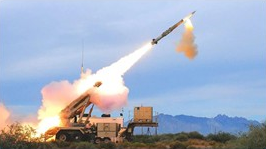
- The heavy use of U.S. missile stockpiles shows how quickly modern conflicts can strain even the strongest military powers. It highlights the growing challenge of maintaining defense readiness while supporting prolonged operations, especially against advanced missile threats like those seen in the Iran conflict.
April 23
- A three-day World Travel & Tourism Council (WTTC) leadership meeting will take place aboard the Crystal Serenity during a Suez Canal transit in early May, hosted by Egypt. Government ministers and industry leaders from regions including Saudi Arabia, the UAE, Europe, and Latin America will discuss recovery of Middle East travel amid ongoing tensions linked to Iran.
- China said it opposes U.S. criticism over reports that it pressured some African countries to revoke overflight permissions for Taiwan’s presidential aircraft. The cancellations reportedly affected a planned trip to Eswatini after states including Seychelles, Mauritius, and Madagascar withdrew airspace access. The move forced Taiwan to cancel an entire foreign visit, highlighting increasing diplomatic pressure on its international travel and engagement.
- The Bureau of Land Management has announced a June auction for oil and gas drilling rights in the Arctic National Wildlife Refuge, a coastal region in northeast Alaska, believed to contain significant hydrocarbon reserves. The lease sale—required under federal law and aligned with a broader push for energy development—has reignited long-standing debate over environmental protection versus economic opportunity. Local Indigenous responses are mixed, with some leaders in the village of Kaktovik supporting development for potential tax and job benefits tied to oil and gas activity in the region.
April 24
- Estonia, Latvia, and Lithuania warn Europe that restoring normal ties with Russia after its invasion of Ukraine would be dangerous and unrealistic. They stressed that Russia remains aggressive, even if peace is reached, and support continued EU pressure and sanctions instead of renewed cooperation.

- Turkish environmental activist Esra Işık is facing trial after peacefully protesting coal mining near her home in Muğla. She opposed a government plan to cut down olive groves for mining. Although her first hearing begins on April 27, she remains in pretrial detention because authorities claim she might protest again. Rights groups argue this is unlawful and shows growing hostility toward peaceful environmental activism in Türkiye, especially as the country prepares to co-host COP31.
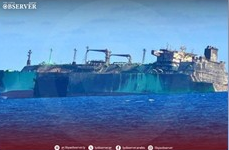
- The Libyan Ports and Maritime Transport Authority reported that the Russian gas tanker Arctic Metagaz is drifting out of control north of Benghazi after a failed towing operation caused by bad weather and technical issues. The vessel, which carries liquefied gas and fuel and was previously damaged in a suspected drone attack, poses a potential environmental and navigation risk, prompting warnings for ships to keep distance.
pril 25
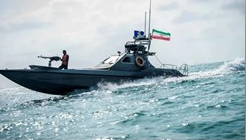
- Iran’s Revolutionary Guard Navy announced the seizure of the vessel Epamineondas in the Strait of Hormuz, accusing it of cooperating with the U.S. military and violating maritime laws. Iranian authorities said the ship had made several trips to U.S. ports in the past six months and ignored repeated warnings. Tehran claims these actions threatened regional security, while it considers the U.S. military a “terrorist army.
- Massad Boulos said at the National Council on US-Libya Relations conference that the United States will continue supporting Libya in strengthening state institutions, fully implementing a unified budget, and advancing toward Libyan-led national elections. The event was attended by Musa al-Koni, and Boulos also received the Council’s Leadership Award.
April 26
- The Nigerian Navy has launched a major security operation called Exercise Obangame Express 2026 to fight piracy, sea robbery, illegal arms and drug trafficking, crude oil theft, and illegal fishing in the Gulf of Guinea. The maritime exercise includes 10 ships, two helicopters, and other assets. Vice Admiral Idi Abbas said the exercise, originally started in 2010 with support from the United States Navy, strengthens regional maritime security.
The war in the Middle East has boosted demand to move vital cargo through the Panama Canal to such an extent that one vessel carrying liquefied natural gas (LNG) paid US$4 million (S$5 million) to skip the line and avoid a wait that can take up to five days, according to an official report. A surge in such payments has been recorded since the US-Israeli attack on Iran began on Feb 28, which led to the blockade of the Strait of Hormuz, a critical waterway for one-fifth of the world’s oil and natural gas exports from Gulf countries.

- The United Kingdom Maritime Trade Operations (UKMTO) reported a new hijacking of a cargo ship near the Somali coast, about six nautical miles northeast of Garakad, Somalia. Armed unauthorized individuals boarded the vessel, took full control, and forced the crew to sail into Somali waters. This incident has increased international concern about the return of maritime piracy in the Horn of Africa, an important route for global trade.
- According to Axios, Iran has proposed first reaching an agreement with the U.S. to reopen the Strait of Hormuz and end the war, while delaying nuclear negotiations until later. Iranian Foreign Minister Abbas Araghchi reportedly discussed this plan during talks in Islamabad. The proposal aimed to break the deadlock over Iran’s nuclear program and managed internal disagreements in Tehran about suspending uranium enrichment and transferring enriched uranium. Critics note that if sanctions and the blockade are lifted first, U.S. President Donald Trump may lose leverage to pressure Iran on its nuclear commitments.
- Tunisia has launched its first regular international maritime freight line linking the ports of Zarzis and Rades with Gioia Tauro and Libya. A container ship docked at Zarzis carrying 407 empty containers for exporters, helping boost trade in southeastern Tunisia. The new route is expected to reduce transport costs, speed up shipping, and strengthen trade across the Mediterranean. Transport Minister Rachid Amri said the project will improve regional economic development and better use port capacity.
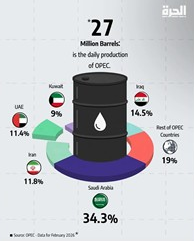
- TUAE has withdrawn from OPEC and OPEC+ in a move that could weaken both groups and challenge Saudi Arabia’s leadership. The decision came unexpectedly during regional tensions linked to the Iran war and may affect global energy markets. Experts say the main concern is the timing and unclear reasons behind the exit. Oil prices rose slightly in the short term, while the long-term impact may be mildly negative.
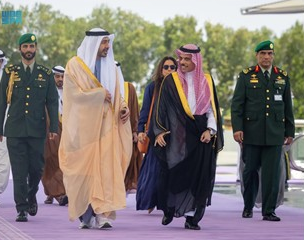
Saudi Arabia is hosting an emergency GCC summit in Jeddah to discuss the impact of the Iran war and recent missile and drone attacks on Gulf states. Leaders aim to coordinate security and protect energy infrastructure after major regional damage. Despite a temporary US-Iran ceasefire, Gulf countries remain worried that conflict could resume.
[return to assessment section Hormuz Straits – Persian Gulf]
April 29
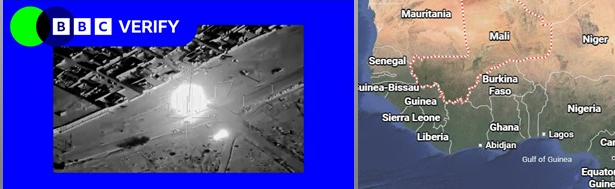
The conflict in Mali is escalating, with rebel forces carrying out major attacks near Bamako and killing the Defence Minister. Russian-aligned paramilitary forces responded with airstrikes, showing deeper foreign involvement in the fighting. However, the withdrawal from key areas like Kidal suggests the government is losing ground, especially in the north. Overall, the situation remains unstable and increasingly volatile.
- It was published the dispute highlights rising diplomatic tension between CARICOM members over the Guyana–Venezuela territorial claim to the resource-rich Essequibo region. Caribbean Community (CARICOM) is trying to balance two positions: supporting peaceful regional diplomacy while firmly backing Guyana’s sovereignty and rejecting any use of regional platforms to legitimize Venezuela’s claim. Overall, the situation shows increasing friction within Caribbean diplomacy, but CARICOM is maintaining a clear legal stance in favour of international adjudication through the International Court of Justice (ICJ) to avoid escalation.
[return to Objectives
MARITIME SECURITY INCIDENTS: April 15-30, 20261
| INCIDENT No | INCIDENT Type | INCIDENT TIME | INCIDENT DETAILS | |
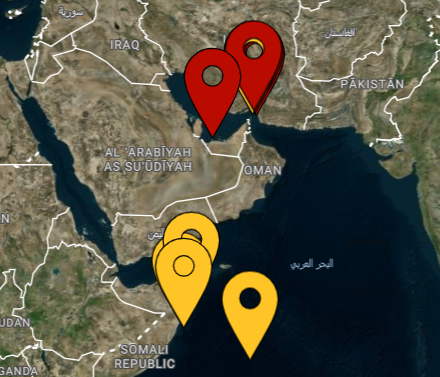
| UKMTO WARNING 037-26 | ATTACK | 18 Apr 2026 | Coordinates 26.682500, 56.572500 UKMTO has received a report of an incident 20NM northeast of OMAN. The Master of a Tanker reports being approached by 2 IRGC gun boats, no VHF challenge that then fired upon the tanker. Tanker and crew are reported safe. Authorities are investigating. | |
| UKMTO WARNING 038-26 | ATTACK | 18 Apr 2026 | Coordinates 26.683833, 56.736833 UKMTO has received a report of an incident 25NM northeast of OMAN. A report of a Container Ship being hit by an unknown projectile which caused damage to some of the containers, no fires or environment impact reported. Authorities are investigating. Vessels are advised to report suspicious activity to UKMTO. | |
| UKMTO WARNING 039-26 | SUSPICIOUS ACTIVITY | 18 Apr 2026 | Coordinates 26.343167, 56.488000 UKMTO has received a report of an incident 3NM east of OMAN. The Master of a Cruise ship reported sighting a splash in close proximity of the vessel. Vessels are advised to report suspicious activity to UKMTO. | |
| IBM/ICC 019-26 | BOARDING | 19 Apr 2026 | 19.04.2026: 0200 UTC: Posn: 01:08.23N – 103:28.63E, Singapore Straits. Two unauthorized persons boarded a barge under tow. Nearby vessels alerted the tug master who boarded the barge for inspection resulting in the persons escaping. It was reported that a container onboard the barge was broken into and contents stolen. Incident reported to the local authorities. | |
| UKMTO WARNING 045-26 | HIJACK | 21 Apr 2026 | Coordinates 9.816667, 51.350000 UKMTO has received a report of an incident 45NM northeast of Mareeyo, Somalia. Military Authorities have reported unauthorized persons taking control of the tanker and maneuvering the vessel 77NM south within Somali territorial waters. The vessels last known position was 0856N 05032E. UKMTO will continue to monitor. Vessels are advised to transit with caution and report any suspicious activity to UKMTO. | |
| UKMTO WARNING 043-26 | ATTACK | 22 Apr 2026 | Coordinates 25.924167, 57.129444 UKMTO has received a report of an incident 8NM west of Iran. A master of an outbound cargo ship reports having been fired upon and is now stopped in the water. Crew are safe and accounted for. There is no reported damage to the vessel. UKMTO is aware of high levels of activity in the SoH area and encourages vessels to report any suspicious activity. | |
| UKMTO WARNING 044-26 | SUSPICIOUS ACTIVITY | 23 Apr 2026 | Coordinates 6.639167, 50.347500 UKMTO has received a report of an incident 83NM southeast of Eyl, Somalia. The Master of a cargo ship was approached by 2 small craft with armed persons onboard. One small craft approached within 600m, warning shots were fired and the suspicious craft returned fire. The suspicious small craft moved away and made clear of the reporting cargo ship. All crew are safe and accounted for. Vessels are advised to transit with caution and report any suspicious activity to UKMTO, authorities are investigating. | |
| IBM/ICC 021-26 | BOARDING THEFT | 25 Apr 2026 | Coordinates 5.818333, 118.135000 25.04.2026: 1601 to 2000 UTC: 05:49.1N – 118:08.1E, Sandakan Anchorage, Malaysia. During routine rounds, duty crew onboard an-anchored tanker noticed ship’s properties missing. On reporting the theft to local authorities, the coastguard and marine police boarded the vessel for inspection. | |
| UKMTO WARNING 046-26 | HIJACK | 26 Apr 2026 | Coordinates 6.963056, 49.362222 UKMTO has received a report of an incident 6NM North East of Garacad, Somalia. It has been reported that unauthorized persons have taken control of a cargo vessel which has been re-directed to within territorial waters. Due to the increased threat of possible PAG activity, vessels are advised to transit with caution and report any suspicious activity to UKMTO while authorities investigate. | |
| IBM/ICC 024-26 | ATTEMPTED BOARDING | 27 Apr 2026 | 27.04.2026: 0358 UTC: Posn: 04:40.75N – 006:36.06W, San Pedro Anchorage, Ivory Coast. Unauthorized persons attempted to gain access to an anchored container vessel via its anchor chain and on hearing the ship’s alarm aborted the attempt and fled in a wooden boat. Authorities have been notified. | |
| UKMTO WARNING 047-26 | SUSPICIOUS ACTIVITY | 28 Apr 2026 | Coordinates 2.125556, 49.503889 UKMTO has received a report of an incident 500NM east of Mogadishu, Somalia. The Master of a tanker was approached by a PAG whilst transiting south through the Indian Ocean. A larger wooden vessel crossed ahead of the tanker at 1nm. The Master then reported that two additional craft approached from the starboard side and closed to within 400 meters. Upon sighting the vessels armed sentries, both small craft and the mothership turned away. Due to the increased threat of possible PAG activity, vessels are advised to transit with caution and report any suspicious activity to UKMTO while authorities investigate. | |
1 In accordance to IMB/ICC, JMIC and/or UKMTO sources


[return to Objectives]
OR
[ return to Recent Key Developments ]
The Geopolitical Profiles & International Security (G3IS)
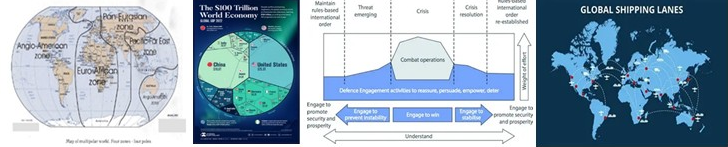
Geo-political / Geo-Strategic profile:
The global threats that will confront us in 2026 will be influenced more by great-power competition, geo-economics coercion, cyber-attacks, and regional conflicts than by outright warfare between major powers. Terrorism, maritime insecurity, and regional instability will still figure among the significant secondary threats, despite the reduction in shipping crime and continued cooperation in some areas.
Geopolitical / Geo-economic Profile:
- The increased risk of geo-politics due to strategic energy chokepoints and changes in regional blocs is putting more stress on trade, even if there is potential for investments in regions like Africa and others. Moreover, the recent activities in Yemen, Venezuela, Guyana, and Alaska highlight the growing competition among countries in terms of securing energy sources. All in all, the trend shows that it is more about competition rather than the end of global energy.
International Security / Strategic sector:
- The situation globally in 2026 is characterized by high instability, with the outbreak of conflicts taking place via regional wars, choke points at sea, cyber activities, and proxies rather than direct military conflict between great powers. Energy and transport routes, especially in the Middle East and Red Sea region, remain the most imminent sources of confrontation, while Europe, Africa, and the Arctic are increasingly becoming vulnerable. Specific areas of potential crisis include the Strait of Hormuz, war in Ukraine, civil strife in Sudan, and hybrid activities like drone strikes and sabotage. Despite periods of calm through ceasefires and negotiations, the overall atmosphere is one of fragility and crisis vulnerability as the global system is transforming.
Global Maritime Security / Navigational safety profile:
- Maritime security in 2026 becomes more contested and vulnerable, and the most dangerous locations include the Strait of Hormuz, the Red Sea, and other such passages where a single incident can trigger attacks, jamming, and counterattacks, leading to chaos for global shipping. While piracy levels have dropped to their lowest ever in history, naval collaboration efforts are also making some progress, although the increasing number of stowaways, illegal trafficking, shadow-fleet conflicts, and tensions near important straits, such as Bab el-Mandeb, Malacca, and the Panama Canal, indicate an expansion of threats. Somali piracy could be played as a card by third parties for geo-political reasons to cancel the Somaliland project.
[return to CONTEXT TABLE]
Cyber-Threats / Risks assessment and mitigation by CYBERPAX
Hybrid Pressure in the Gulf: What the Handala Claims Mean for Commercial Shipping.
- The recent claim by the Iran-linked group Handala that it breached three major UAE organizations – Dubai Courts, Dubai Land Department and Dubai Roads & Transport Authority – should concern the commercial shipping community well beyond the UAE. Security Affairs reports that the group framed the operation as retaliation and a warning to regional governments, while the claims included alleged large-scale destruction and theft of data, though those claims remain unverified. The important point for shipping is not only whether every technical detail is confirmed, but what kind of targets are being chosen: institutions and authorities connected to transport, administration and economic continuity. In the current regional environment, that is a warning that hybrid pressure may increasingly affect the wider commercial ecosystem around shipping: ports, terminal authorities, logistics platforms, transport coordination, vendor links and digital support services.
- For shipowners, operators, port users and logistics providers, the lesson is practical: resilience now depends on whether people can recognize disruption early and react correctly, not only on whether systems are in place. In commercial shipping, cyber pressure is often first experienced as delay, degraded service, suspicious remote access, abnormal data flows or unusual operational friction — exactly the kinds of issues that can be misclassified as routine technical problems until they become business interruptions. Security Affairs notes that Handala is widely seen as tied to Iran-backed activity and associated with phishing, data theft, extortion, destructive attacks and information operations. That makes training critical. Crews, shore teams, terminal-facing staff and management need to know when an “IT issue” may actually be part of a wider hostile pattern, when to escalate, and how to coordinate before cargo, schedules, customer commitments and port operations are affected. In commercial shipping, readiness is no longer only a technical matter. It is a continuity-of-trade capability.
- Two-line risk snapshot
* Cyber disruption risk to commercial shipping support systems, ports and logistics operations in the Gulf region: HIGH
* Need for trained shore teams, operators and management able to detect, escalate and respond under hybrid pressure: CRITICAL
[return to CONTEXT TABLE
THREAT ASSESSMENT UPDATE:
Libya – Central Mediterranean
- Tunisia poses an average risk for the region. While there are obvious benefits for trade and connectivity in the project, insecurity in Libya, instability from Niger, and poor governance along the path keep the military, terrorism, and disruption risks high.
- From the list of items in the region, there appears to be a trend that emerges, one that shows how the transport and logistics corridors in both West and North Africa are still vulnerable to crime and infrastructure challenges. For example, kidnappings, crime, and maritime stowaway problems are occurring in both Nigeria and Lagos. However, in the economic sphere there are also developments happening in regional projects. These include the West African Gas Pipeline and the refinery project in Angola.
- Overall threat/risk level: “MEDIUM” // Analyzed in: Military/Paramilitary/Terrorism: “HIGH” – ICC/Piracy: “MEDIUM” – Hijacking/Fired/Kidnapping: “LOW” – GNSS interference: “LOW”.
- Triggers and Indicators per area remain as in SEA GUARDIAN SECURITY ASSESSMENT 25/06, April 15.
[return to CONTEXT TABLE]
Syria (Middle East issue in East Mediterranean region)
- The country remains dangerous due to insurgency, militant presence, and ongoing foreign pressure. Security activities in Aleppo and Damascus indicate the presence of risks in the area, despite relative safety in the ports compared to land transport.
- The brief assessment is high risk for land transportation, moderate to high risk overall, and terrorism risk existing despite improvements in counterterrorism measures locally.
- Overall threat/risk level: “HIGH” // Analyzed in: Military/Paramilitary/Terrorism: “HIGH” – ICC/Piracy: “NSR” – Hijacking/Fired/Kidnapping: “MEDIUM” – GNSS interference: “HIGH”
- Triggers and risk indicators remain unaltered per area as initially cited in SEA GUARDIAN SECURITY ASSESSMENT 25/23, November 13.
[return to CONTEXT TABLE]
Lebanon (Middle East issue in East Mediterranean region)
- It is still considered one of the highly volatile conflict zones because of cross-border raids, activities of Hezbollah, and retaliatory attacks by Israel. Although the situation became a little more relaxed due to the cessation of hostilities, the danger of escalation still persists.
- Briefly described: military risk very high, terrorism risk elevated, overall stability fragile.
- Overall threat/risk level: “HIGH” // Analyzed in: Military/Paramilitary/ Terrorism: “VERY HIGH” – ICC/Piracy: “NSR” Hijacking/Fired/Kidnapping: “HIGH” – GNSS interference: “HIGH”.
- Triggers and risks indicators remain unaltered per area as initially cited in SEA GUARDIAN SECURITY ASSESSMENT 25/23, November 13.
[return to CONTEXT TABLE]
Gaza-Israel (Middle East issue in East Mediterranean region)
- There exist numerous factors that make this region very risky, such as conflicting interests between Israel, Gaza, Hezbollah, and Iran, resulting in instabilities both on land and at sea.
- Thus, one could sum up the current situation in the following way: there are high levels of military and terrorist risks, and great maritime risks as well.
- Overall threat/risk level: “HIGH” // Analyzed in: Military/Paramilitary/Terrorism: “VERY HIGH” – ICC/Piracy: “NSR” – Hijacking/Fired/Kidnapping: “HIGH” – GNSS interference: “HIGH”.
- Triggers and risk indicators remain unaltered per area as initially cited in SEA GUARDIAN SECURITY ASSESSMENT 25/23, November 13.
[return to CONTEXT TABLE]
Sudan – Eritrea – Ethiopia
- The source of instability is from Sudan, with the ongoing conflict leading to the displacement of people, hunger, and continued clashes between the Army and the RSF militia. The risk of spillover is low except in neighboring corridors to Libya; hence, the risk of a regional breakdown is medium.
- The peace process initiated by the Arab League emphasizes Sudan-led negotiations and a joint way forward. On the whole, the threat situation is high in Sudan and moderate for neighboring corridors.
- Overall threat/risk level: “MEDIUM” // Analyzed in: Military/Paramilitary/Terrorism: “HIGH” – ICC/Piracy: “NSR” – Hijacking/Fired/Kidnapping: “LOW” – GNSS interference: “LOW”.
- Triggers and risk indicators remain unaltered as cited in SEA GUARDIAN SECURITY ASSESSMENT 25/15, July 10.
[return to CONTEXT TABLE]
- Currently, Yemen and the Red Sea are considered moderate-risk regions. Still, the stability of the region is vulnerable to any changes, such as the increased tension between Iran, Saudi Arabia, and the Houthis.
- The factors that have been mentioned above are currently controlled; however, the root cause behind them still exists. In addition, although some de-escalation was recently seen in the region because of the talks between Saudi Arabia and the Houthis, it does not eliminate the possibility of further escalation.
- Overall threat/risk level: “HIGH” // Analyzed in: Military/Paramilitary/Terrorism: “HIGH” – ICC/Piracy: “MEDIUM” – Hijacking/Fired/Kidnapping: “LOW” – GNSS interference: “HIGH”.
- Triggers and risks indicators remain unaltered as in SEA GUARDIAN SECURITY ASSESSMENT 25/15, July 10.
[return to CONTEXT TABLE]
Black Sea / NW part (RUSSIA – UKRAINE WAR)
- The Russia-Ukraine war is still persisting in disrupting transport, energy supplies, and logistics of the Black Sea region, while cyber and electronic warfare are increasingly becoming a danger to communication and navigation systems.
- Military operations remain highly threatening, and there are increased dangers posed by ship disruptions and GNSS interference, whereas hijacking remains secondary threat.
- Overall threat/risk level: “HIGH” // Analyzed in: Military/Paramilitary/Terrorism: “VERY HIGH” – ICC/Piracy: “NSR” – Hijacking/Fired/Kidnapping: “MEDIUM” – GNSS interference: “MEDIUM”
- Triggers and indicators per area remain as in the SEA GUARDIAN SECURITY ASSESSMENT 25/20, September 30 and SEA GUARDIAN SECURITY ASSESSMENT 25/19, September 16 .
[return to CONTEXT TABLE]
Baltic Sea / NE part (RUSSIA-UKRAINE WAR)
- The Baltic Sea is still one of the highest-risk regions and is becoming more influenced by hybrid warfare, which includes frequent drone operations, tensions between NATO and Russia, and interference with global navigation satellite systems (GNSS). The collaboration between Ukraine and Norway in drones can be considered an example of growing military-industrial cooperation amid escalating conditions.
- Overall threat/risk level: “HIGH” // Analyzed in: Military/Paramilitary/Terrorism: “MEDIUM” – ICC/Piracy: “NSR” – Hijacking/Fired/Kidnapping: “MEDIUM” – GNSS interference: “HIGH”
- Triggers and indicators per area remain as in the SEA GUARDIAN SECURITY ASSESSMENT 25/20, September 30 and SEA GUARDIAN SECURITY ASSESSMENT 25/19, September 16 .
[return to CONTEXT TABLE]
Terrorism – Piracy, cargo theft, smuggling, stowaways, organized crime/drugs trafficking
- International security is highly risky, with the greatest stress originating from tensions in the Middle East, the Ukraine–Russia war, and disputed sea routes. Terrorist activities, proxy wars, cyber-attacks, and maritime blockades are contributing to a deteriorating situation, along with disruption in international commerce and energy shortages.
- IMO adopted stronger vessel registration rules, while in Baltic ports, the cargo traffic increased by 12.2%.
- Regarding maritime and port crimes, the scenario is quite ambivalent, as piracy incidents had decreased significantly; however, hijacking, smuggling, stowage, cargo theft, and organized criminal groups persist in key sea lines of communication and coastal areas that lack stability. Sea lanes such as the Strait of Hormuz, Bab-el-Mandeb, the Black Sea, and the Red Sea are still considered critical trouble spots, while port-related crime and opportunistic trafficking also constitute ongoing risks. So even if the likelihood of piracy incidents lowered, the probability has increasingly heightened after the incidents in Somalia the latest two weeks.
- Maritime industry ought to think of this development as a title out of the box. Threats and risks are reformed, containing in their mitigation measures not only Security Teams afloat but also inside ports, while new technologies for early warning such as UAVs and drones can reinforce the resilience.
[return to CONTEXT TABLE]
Risk Assessment update:
- The Gulf of Guinea continues to be a place with medium to high risks due to various activities like piracy, kidnapping, armed robbery, and smuggling, among others. These factors, coupled with poor governance by the coastal states, corruption, and criminal activities, contribute to the risk level being higher, especially in Nigeria and neighboring areas.
- Recent developments in Nigeria show that there is more than just maritime insecurity; there have been kidnap raids, arrest of suspects, and navy raids on stowaways. The efforts towards securing the region are not consistent, which is why the risk level still stays at medium, with some high-risk regions.
- Overall threat/risk level: “MEDIUM” // Analyzed in: Military/Paramilitary/Terrorism: “MEDIUM” – ICC/Piracy: “HIGH” – Hijacking/Fired/Kidnapping: “HIGH” – GNSS interference: “LOW”
- Military threat analysis for Gulf of Guinea states:
| Nigeria | Cameroon | Ghana | Congo | Ivory Coast | Angola |
| Very High | High | Medium | High | High | Medium |
- Triggers and indicators per area remain as in the SEA GUARDIAN SECURITY ASSESSMENT 25/20, September 30 and SEA GUARDIAN SECURITY ASSESSMENT 25/06, April 15.
[return to CONTEXT TABLE]
East Mediterranean Sea
- The Eastern Mediterranean/Levant remains a strategically sensitive yet not entirely uncontrolled region, characterized by its energy disputes, military brinkmanship, and longstanding rivalries within the region. Deterrence, naval presence, and diplomacy will prevent escalation from becoming prolonged and on a larger scale despite the overall volatility of the Middle East.
- Current events continue to create an atmosphere of tension, involving military positioning, increased alerts, and occasional communication by regional and foreign parties. Maritime crimes remain rare, but military and para-military threats remain low, while there are intermittent risks of GNSS and electronic interference.
- In conclusion, the region can be considered a case of controlled instability: it is strategically sensitive but, at the same time, is normally controllable.
- Overall threat/risk level: “MEDIUM” // Analyzed in: Military/Paramilitary/Terrorism: “MEDIUM” – ICC/Piracy: “NSR” – Hijacking/Fired/Kidnapping: “LOW” – GNSS interference: “MEDIUM”.
- Indicators altering the “risks levels” as in SEA GUARDIAN SECURITY ASSESSMENT 25/22, November 12, 2025.
[return to CONTEXT TABLE]
Suez Canal – Northern Red Sea
- The Suez Canal and the Red Sea continue to operate, but under restrictions due to security issues arising from spillover of conflict in the region, Houthi attacks, and occasional disruptions to GNSS services. There have been signs that shipping through the route is improving despite operating in an environment exposed to high levels of geopolitical risk.
- Overall threat/risk level: “MEDIUM” // Analyzed in: Military/Paramilitary/Terrorism: “LOW” – ICC/Piracy: “LOW” – Hijacking/Fired/Kidnapping: “LOW” – GNSS interference: “HIGH”.
- Indicators altering the “risks levels” as initially cited in SEA GUARDIAN SECURITY ASSESSMENT 25/17, August 13.
[return to CONTEXT TABLE]
Bab-El-Mandeb Straits – Southern Rea Sea
- Bab al Mandeb Strait and the southern part of the Red Sea continue to be a strategically important bottleneck where there is a persistent but manageable risk associated with security concerns emanating from threats posed by the Houthis, piracy, and smuggling. However, protection and alternative routes have lowered risks.
- Tensions, particularly the latest warning by the government of Somalia regarding the use of the strait by other nations, have introduced political instability into the equation, as the strait serves as an important international waterway.
- Overall threat/risk level: “MEDIUM” // Analyzed in: Military/Paramilitary/Terrorism: “LOW” – ICC/Piracy: “HIGH” – Hijacking/Fired/Kidnapping: “LOW” – GNSS interference: “NSR”.
- Indicators altering the “risks levels” as initially cited in SEA GUARDIAN SECURITY ASSESSMENT 25/17, August 13.
[return to CONTEXT TABLE]
Gulf of Aden – Somalia / Somaliland
- Somalia and Somaliland remain a high-risk maritime environment, driven by piracy, armed groups, and localized instability along the Somali coast. Recent developments, including a cargo ship hijacked near Garakad and renewed political tensions over Somaliland’s status, have increased concern. That underlines the need for sustained maritime vigilance and protective measures.
- The external influence on the dispute between Somalia and Somaliland is defined by the combination of strategic, security, and economic considerations. The United States and the United Kingdom advocate for Somalia’s territorial integrity but deal with Somaliland on informal levels because of security and development concerns. On the other hand, the United Arab Emirates and Ethiopia are more active participants in practical cooperation with Somaliland; trade, infrastructure, and security matters are at stake. In addition, the UAE has withdrawn from its close cooperation with Somalia mainly due to confrontation of the states, related to Somaliland’s recognition by Israel three months ago. The UAE’s withdrawal from OPEC in order to establish its own policy towards the region seems like a continuation of such a trend.
- Finally, Turkey and China are strong supporters of Somalia’s government and do not deal with Somaliland as an independent state.
- Overall threat/risk level: “HIGH” // Analyzed in: Military/Paramilitary/Terrorism: “MEDIUM” – ICC/Piracy: “HIGH” – Hijacking/Fired/Kidnapping: “HIGH” – GNSS interference: “NSR”
- Indicators altering the “risks levels” as initially cited in SEA GUARDIAN SECURITY ASSESSMENT 25/17, August 13.
[return to CONTEXT TABLE]
- The strategic stability of the Arabian Sea, the Gulf of Oman, and the western Indian Ocean continues to be intact in the center, while facing greater challenges from the surrounding regions and maritime interception operations. The latest U.S. attacks on the Iranian-flagged vessel in the Gulf of Oman, along with Iranian threats of counterattacks, have added to these risks.
- Overall threat/risk level: “MEDIUM” // Analyzed in: Military/Paramilitary/Terrorism: “MEDIUM” – ICC/Piracy: “NSR” – Hijacking/Fired/Kidnapping: “HIGH” – GNSS interference: “MEDIUM”.
- Indicators altering the “risks levels” as initially cited in SEA GUARDIAN SECURITY ASSESSMENT 25/17, August 13.
[return to CONTEXT TABLE]
- The Strait of Hormuz remains high risk for the shipping industry, as the ongoing confrontation between Iran and the United States doesn’t give any sign of de-escalation, even if lately a new initiative has emerged through the mediation of Russia. Although there have been indications that tensions could be easing, linking the reopening of the Strait to political agreements reveals the extent of uncertainty about the passage.
- However, there has never been a prolonged closure, and other pathways of exporting oil help mitigate but cannot eliminate the risks associated with the Strait. Thus, the situation is still characterized by deterrence and politics rather than problem-solving.
- Two main new indicators emerged for the escalation or de-escalation of risks throughout the entire area. The first is related to UAE oil exports in the international market after their withdrawal from OPEC, while having ports on the approaches of Hormuz (see in the key developments April 28)the relevant article). On the other hand there is willingness by UAE to maintain their relations with the other Arab states, having had participated in the JEDDAH summit, April 29.
- Overall threat/risk level: “HIGH” // Analyzed in: Military/Paramilitary/Terrorism: “HIGH” – ICC/Piracy: “MEDIUM” – Hijacking/Fired/Kidnapping: “NSR” – GNSS interference: “HIGH”.
- Indicators altering the “risks levels” HAS BEEN LEFT INTENTIONALLY BLANK DUE TO WAR CONDITIONS and unpredictable actions by all involved parties.
[return to CONTEXT TABLE]
Malacca Straits
- Stable growth in Indonesia depends on resource exports and energy cooperation, similar to its relationship with Australia, although its dependency on the Malacca Strait increases risks. The Strait is a transit point for 40% of international maritime commerce and 23 million barrels of oil per day.
- Risks. Malacca connects the Indian Ocean and Pacific, important for energy supply to Asia; 94 thousand vessels pass through annually, carrying 25% of global cargo. Indonesian export resources, such as coal and palm oil, are subject to conflicts and piracy.
- Prospects. Medium risk related to maritime and geopolitical problems, not internal.
- Overall threat/risk level: “MEDIUM” // Analyzed in: Military/Paramilitary/Terrorism: “NSR” – ICC/Piracy: “HIGH” – Hijacking/Fired/Kidnapping: “LOW” – GNSS interference: “MEDIUM”
- Indicators altering the “risks levels” as cited in SEA GUARDIAN SECURITY ASSESSMENT 25/20, September 30.
[return to CONTEXT TABLE]
Black Sea / East Part
- The threat and risk level related to the Black Sea remains medium because of the consequences of the Russia-Ukraine conflict, where ships face difficulties due to insurance costs, re-routing, and concerns. The Georgian economy continues to export despite the adaptation process.
- Key Threats. Disruption threats and GNSS disruption risks are medium, while piracy risks are low. There is growing tension between the EU and Georgia due to democratic regression in the country (according to Kaja Kallas).
- Prospects. Security and availability of the corridor play a key role in stability.
- Overall threat/risk level: “MEDIUM” // Analyzed in: Military/Paramilitary/Terrorism: “LOW” – ICC/Piracy: “NSR” – Hijacking/Fired/Kidnapping: “MEDIUM” – GNSS interference: “MEDIUM”.
- Indicators altering the “risks levels” as initially cited in SEA GUARDIAN SECURITY ASSESSMENT 25/18, August 27.
[return to CONTEXT TABLE]
Baltic Sea / West part
- Maritime threats and risks in the Baltic Sea remain significant due to geopolitical friction, environmental breaches, and Russian oil shipments escorted by military vessels against the backdrop of NATO naval activity.
- Principal Hazards. The release of oil, vessel safety failures, and GNSS spoofing represent risks to environmental health and sanctions implementation. NATO’s interception of Russian aircraft (SU-30s by Polish F-16s, Rafales) demonstrates increased focus on the eastern border.
- Prognosis. Shipping operations continue in an environment of strict inspection, although diplomatic considerations favor environmental and interference concerns over internal disturbances.
- Overall threat/risk level: “HIGH” // Analyzed in: Military/Paramilitary/Terrorism: “MEDIUM” – ICC/Piracy: “NSR” – Hijacking/Fired/Kidnapping: “NSR” – GNSS interference: “HIGH”.
- Indicators altering the “risks levels” as cited in SEA GUARDIAN SECURITY ASSESSMENT 25/20, September 30.
[return to CONTEXT TABLE]
Taiwan – Japan Sea
- There is an escalation of tension in the Taiwan Strait due to increased security cooperation between the U.S. and Japan, as well as China’s firm stance toward Taiwan, with no indication of an imminent confrontation. The world energy supply remains stable, thanks to diverse energy sources; however, any protracted tensions may lead to heightened maritime threats and increased insurance premiums.
- Significant Event. The JS Ikazuchi, a Japanese destroyer, navigated through the Taiwan Strait. China watched this closely and saw this action as provocative, followed by naval and air force exercises in the East China Sea, as prearranged training exercises.
- Broader Implications. Increased U.S.-Japanese cooperation, possibly involving Taiwan, heightens Chinese concerns about containment. Shipping lanes for energy remain exposed to potential disruptions, although there are no current supply crises.
- Overall threat/risk level: “MEDIUM” // Analyzed in: Military/Paramilitary/Terrorism: “LOW” – ICC/Piracy: “NSR” – Hijacking/Fired/Kidnapping: “NSR” – GNSS interference: “MEDIUM”.
- Indicators that distort the “risk levels” as in SEA GUARDIAN SECURITY ASSESSMENT 25/21, October 16.
[return to CONTEXT TABLE]
Taiwan – South China Sea
- Military actions and claims in the South China Sea have increased tensions within the region as China becomes more aggressive while its rival, the Philippines, forms stronger alliances and increases surveillance capabilities. Concerns are being raised about possible challenges to freedom of navigation and grey zone tactics on sea lanes near Taiwan. However, at present, there is no threat of any confrontation or interruption of global trade.
- Key Developments. China reacts strongly to US allegations of pressure applied to several African nations to restrict the overflight rights of Taiwan’s presidential plane. As a result of diplomatic pressure, President Tsai Ing-wen had to cancel her visit to Eswatini.
- Maritime Implications. Greater cooperation between the United States and the Philippines provides some additional deterrence, though it could lead to escalation in disputed waters. Oil reserves and sea routes receive increased attention, but international diversification prevents any disruption of energy supplies.
- Overall threat/risk level: “MEDIUM” // Analyzed in: Military / Paramilitary/ Terrorism: “NSR” – ICC/Piracy: “MEDIUM” – Hijacking/Fired/ Kidnapping: “LOW” – GNSS interference: “LOW”.
- Indicators that distort the “risk levels” in SEA GUARDIAN SECURITY ASSESSMENT 25/21, October 16.
[return to CONTEXT TABLE]
South America / NE part – VENEZUELA
- The country faces economic hardship due to past financial difficulties, sanctions, and issues within the oil industry. Investors are losing confidence owing to infrastructural decay and political risks, but overall risk remains medium-high, despite unsubstantiated reports of leadership turnover. Repsol’s agreement with PDVSA aims to achieve a 50% increase in oil production within a year and a tripling in three years, reclaiming the Petro-multilayer oil field and expanding productivity.
- Regional Energy Developments. In Guyana, the government calls up investors for two ventures in West Bank Demerara, including an ammonia and urea plant (GAUP) valued at US$300 million and a gas bottling and logistics company (GGBLC) costing US$40 million, strengthening its energy policy.
- Risk Projections. Although Venezuela’s instability hampers recovery efforts, Guyana’s plans point toward prospects. There are no disruptions expected in maritime and energy trading routes due to these events.
- Overall threat/risk level: “MEDIUM” // Analyzed in: Military / Paramilitary/ Terrorism: “NSR” – ICC/Piracy: “LOW” – Hijacking/Fired/ Kidnapping: “NSR” – GNSS interference: “MEDIUM”.
- Indicators that distort the “risk levels” in SEA GUARDIAN SECURITY ASSESSMENT 26/06, March 19..
[return to CONTEXT TABLE]
South America / NW part – PANAMA
- Panama Canal experiences moderate threats from organized crime, smuggling, and logistics pressures due to its importance as an essential shipping route in the world without any serious geopolitical disturbances. The United States’ crude oil shipments via the canal have exceeded 200,000 barrels per day for the first time in almost four years because of the Middle Eastern hostilities that are pushing Asia to rely on American oil.
- Events. The dissident faction “Comandos de Frontera” employed drones armed with explosives to kill three soldiers and wound two others in a clash between troops and armed groups in Ipiales, Nariño, near Ecuador; the army described it as a violation of humanitarian laws.
- An LNG cargo ship offered up to $4 million to avoid delays at the Panama Canal amid Middle Eastern conflicts, after America and Israel bombed Iran and closed the Strait of Hormuz, responsible for carrying one-fifth of oil and gas exports around the globe; the ordinary tolls are $300,000-$400,000.
- Shipping Forecast. Disruptions at Hormuz spur canal usage, challenging logistics, yet ensuring energy flows through American alternatives. Stability prevails in the region with negligible effects on shipping lanes.
- Overall threat/risk level: “MEDIUM” // Analyzed in: Military / Paramilitary/ Terrorism: “NSR” – ICC/Piracy: “MEDIUM” – Hijacking/Fired/ Kidnapping: “NSR” – GNSS interference: “LOW”.
- Indicators that distort the “risk levels” in SEA GUARDIAN SECURITY ASSESSMENT 26/06, March 19..
[return to CONTEXT TABLE]
ARCTIC CYCLE / EAST – RUSSIA / EUROPE
- The Arctic Region retains its strategic importance in the prolonged struggle for resources and shipping, particularly between Russia and other countries of the Arctic region, without posing any immediate risk of escalation. Governance deficiencies, environmental concerns, and new threats in cyberspace merit observation but present no pressing problem.
- Russia’s Enhanced Coast Guard Fleet. The Russian Federal Security Service (FSB) Coast Guard is upgrading its capabilities with icebreakers to protect its exclusive economic zone and oversee the Northern Sea Route, a significant route stretching from the Bering Strait to the Barents Sea. Although presented as a law enforcement force, it enhances Russian dominance in Arctic shipping and resource exploitation.
- Shipping Forecast. Increased attention to Arctic routes favors efficient movement for international trade, including energy transportation. Current peace will continue, with multiple shipping routes serving as safeguards against disruption.
- Overall threat/risk level: “LOW” // Analyzed in: Military / Paramilitary/ Terrorism: “LOW” – ICC/Piracy: “NSR” – Hijacking/Fired/ Kidnapping: “NSR” – GNSS interference: “LOW”.
- Indicators per area remain as in SEA GUARDIAN SECURITY ASSESSMENT 25/06, April 15.
[return to CONTEXT TABLE]
ARCTIC CYCLE / WEST – GREENLAND / ALASKA
- The Arctic West is strategically important in the context of continuous rivalry among the United States, Russia, and the EU states, especially around Greenland and access to routes. While resource and route development remain a current issue of confrontation, the only danger lies in the structural factors, including rivalry, navigation obstacles, and environmental issues, without any current escalation expected in the near future.
- Auction for U.S. Drilling Rights. The Bureau of Land Management will hold a bidding auction in June for drilling rights to the hydrocarbons in the Arctic National Wildlife Refuge of Alaska to achieve energy objectives according to federal regulations. The debate continues about protecting nature versus economic benefits, with divided opinions in Kaktovik regarding employment and tax revenues from possible projects.
- Perspective. Continuous competition drives regional dynamics without any threat to international shipping or energy supply. Stability facilitates tracking structural dangers rather than acute crises.
- Overall threat/risk level: “MEDIUM” // Analyzed in: Military / Paramilitary/ Terrorism: “MEDIUM” – ICC/Piracy: “NSR” – Hijacking/Fired/ Kidnapping: “NSR” – GNSS interference: “MEDIUM”.
- Indicators per area remain as in SEA GUARDIAN SECURITY ASSESSMENT 25/06, April 15.
[return to CONTEXT TABLE]
Piracy – Boarding conditions, kidnapping, firing, electronic harassment
- Maritime piracy has been reduced during the second semester of 2025 and dropped to the lowest level in the first quarter of 2026, over the past 3 years. But the last two weeks, we have had a sharp re-emergence in the Gulf of Aden / Somalia. SEA GUARDIAN notified in its previous assessment report that piracy has not disappeared and had been covered under the war tension, while it could be used as a tool of war by third state or non-state actors.
- Headlines: Military operations in Katsina/Benue by Nigerian forces arrested suspects, confiscated firearms/director drugs, and released hostages in a bus kidnapping; the navy stopped stowaways in waters around Lagos.
- Cape Town searched and salvaged six stowaways on a container ship (one missing).
- Somali pirates re-emerge with more tense activities and tools, boarding a ship off Garakad.
- Somalia warns Bab el-Mandeb against Somaliland, while Iran proposes opening Hormuz before nuclear talks. Nigeria starts anti-piracy Exercise Obangame Express. A new Tunisia-Libya-Italy freight route is coming up amid the unstable political situation in Libya.
- Assessment on Piracy: Piracy/boarding: Predominantly boarding by pirates in hotspot locations; very few incidents of violence or taking hostages, but it is uncertain for the future.
- Kidnapping: Occurs only in Gulf of Guinea/Nigeria operations; significantly lower than before.
[return to CONTEXT TABLE]
Overall Assessment – Consulting
- The international environment in 2026 is characterized by a high level of volatility, where the interconnectedness of diplomatic, political, and business-related risks leads to a consistently unstable situation.
- Diplomacy has evolved into a very “à la carte” practice, with countries seeking more strategic independence and nationalist advantages than before. In the case of political instability, the factor that should be highlighted is the election cycle, especially within the United States, where mid-term elections and presidential policies such as the use of tariffs have a destabilizing impact on the country’s international partners. Another contributing factor to this trend is the ongoing competition between countries and a weakening of the global community’s approach to sovereignty and conflict resolution, while International Organizations are weakening too.
- International trade relations face new challenges in terms of disruptions linked to geopolitics and the use of “weaponized” economics. The growing tendency towards a “new trade war” in which countries engage in the active use of tariffs and sanctions on investments creates additional risks for companies. Moreover, the current international maritime environment involves many security threats to critical chokepoints, and changes to shipping routes increase associated costs.
- Overall assessment: For effective risk management, shipping lines should employ a combination of preventive planning and constant monitoring. For security, efforts should concentrate on immediate danger assessments, allowing ships to navigate around areas that are considered risky, while simultaneously strengthening their hulls, improving their cybersecurity shield, and most importantly their navigation equipment. In addition, it is critical to have communication channels with naval forces and other members of the shipping industry, maintaining the lines with the ships’ management directly open. There is also a need to ensure enough distance from physical aids such as buoys and lighthouses to avoid collision in case the shipping lanes are shrunk due to Maritime Security threats. Lastly, there should be quick reporting of any displaced or nonfunctional navigation aids.
- Overall consulting: The only way to overcome the challenges mentioned above and minimize the risks will be to shift the mindset of shipping organizations and adopt a more proactive approach to security. It means that it would be necessary to include risk assessment in the regular operation, make use of real-time analysis to track assets, and develop measures that will protect critical infrastructures not only physically but also in the cyber domain. Even more important is that security culture needs to be promoted and consolidated among the crews through continuous training, not only in traditional maritime sectors but also in Cyber defense.
- [return to Recent Key Developments ] OR [return to CONTEXT TABLE]
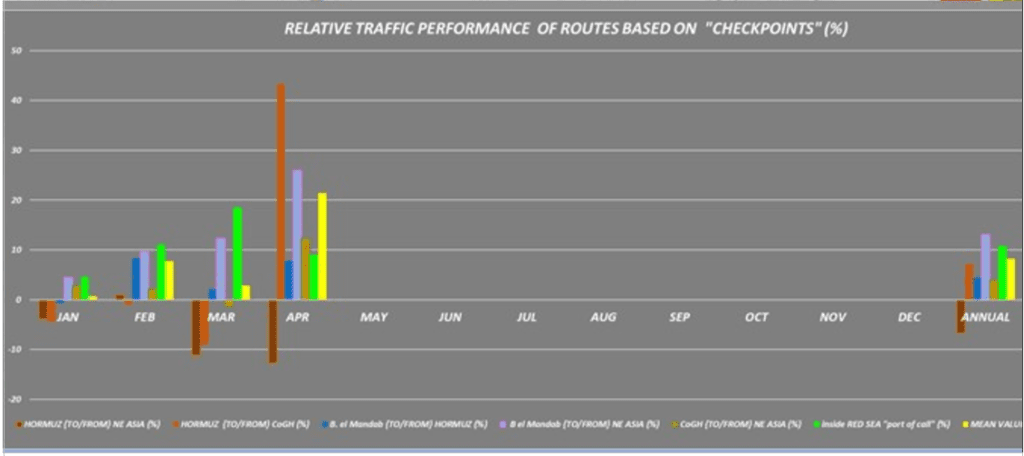
ANNEX “A”: Threat/Risk Levels on map – Chokepoints Traffic performance

Sea Guardian S.G. Ltd / Intel Department (www.sguardian.com / (+30) 694 437 3465)
can support your operational planning, assist in determining the risk assessment and aid in decision making by producing tailor-made assessments upon request on ports, routes, cargos and specific merchant vessels. You can refer to our previous Threat & Risk Assessments for more information and background analysis on the events and situation for each specific region.
[return to CONTEXT TABLE]
ANNEX “B”: Security Assessment – Lessons Learned
| LESSONS LEARNED | ||
| INCIDENTS | REACTIONS | TRANSFORMATION NOTICES |
| The attacks on July 2025 in RED SEA | Permanent contact with the shipping company as well the maritime security company that hires security teams. | Developing independent international relations and operational apps for supporting crew recovery having abandoned the vessel. |
| The attacks on July 2025 in RED SEA | The active contingency plans and business impact analysis in case of discontinuation with the security guarding teams (such as an attack difficult to face with small arms). | Further implementation of maritime/ISO standards. |
| Inbound in an area of high military / paramili- tary threats with all navigational aids and AIS closed | Operate all the navigational aids and AIS/communication systems after having been attacked by ballistic or related missiles, when visual targeting was available due to the lack of international naval forces. | Stabilize the closed navigational aids to prevent targeting towards the necessity of giving information through them to friendly entities. |
| The detailed analysis after a special interview of security crew assessing decision-made | A fundamental decision involves choosing whether to abandon a sinking vessel using a lifeboat for safety, or to escape directly into the sea with only life jackets, while under the threat of attacking skiffs searching for survivors. | Balance the threat while abandoning the ship at sea with the threat of environmental and geographical conditions for survival. |
| The re-emergence of piracy in the Gulf of Aden-Horn of Africa and Somalia | From the latest incidents in the area, it was proven that the existence of Maritime security teams is of paramount importance, as well as the existence of International Maritime operations. | The overall security umbrella is achieved if: – A consistent/ coherent Security assessment has been done in advance – International Maritime operations in the region exist – The use of Security teams onboard for a wider area is available. |
Usefull links for conflict indexes and picture of piracy attacks in:
- ACLED and IMB/ICC for the war threat levels and International commerce crime incidents.
- Companies under sanction by Ukraine (Black Sea): Database of Legal Entities Under Sanctions
- https://www.youtube.com/watch?v=Pt6GS7QohAI, for an overall general assessment by the SEA GUARDIAN President presented at Naftemboriki TV (Shipping) for the latest period, covering the time-frame before and after the Houthis ballistic, drones and UCAV attacks.
.
[return to CONTEXT TABLE]
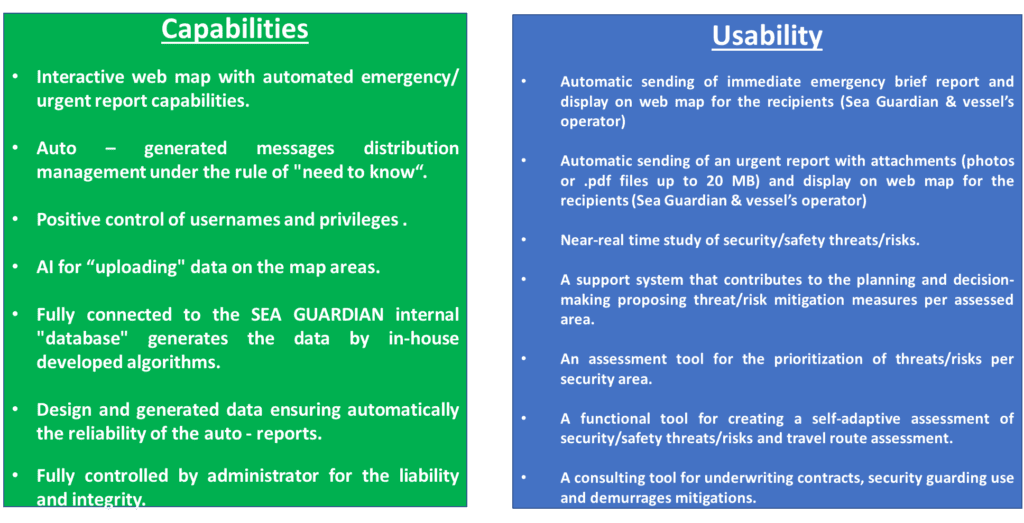
ANNEX “C”: The SEA GUARDIAN Data & Control Reporting (DaCoR) system
DaCoR system visualize this report and covers the period between two successive 15-day cycle Security Assessment with near-real time data and reporting capabilities. It is ready to be provided as a subscription service hosted in company’s servers
| Contact us for a trial or fix an appointment: |
| E-mail: intelsec@sguardian.com |
| CY:+35725351125|GR:+302109703322 info@sguardian.com | www.sguardian.com Sea Guardian SG Ltd Intel & Security |
| or book a “google meet” appointment through the following global calendar: |
| https://calendar.app.google/LmPSoo5fDxZMVq357 |
[return to CONTEXT TABLE]
Future Outlook
Looking Ahead,
SEA GUARDIAN is committed to further enhancing the digital capabilities and expanding service offerings. The focus is on leveraging data analytics to drive personalized customer experiences and exploring new market opportunities. There is confidence that SEA GUARDIAN strategic initiatives will support our partners for sustained growth and successful decision making. Digital, Control & Reporting System – DaCoR, digitalizes the maritime security environment in harmonization with new equipment, training updates, and synergies with the cyber sector, in order to provide a holistic physical and digital security environment with supplementary function to the available networking systems of control, intelligence, and share maritime situational awareness.
Partners (shipping companies) willing to experience the DaCoR system for a 10day free of charge trial should communicate with SEA GUARDIAN for a user name and password.
Copyright and Confidentiality
This document has been generated by processed information (intel) which in-house SEA GUARDIAN database and algorithms produces in near-real time with SEA GUARDIAN R&I team mankind staffing-work and it is a service to partners with SEA GUARDIAN. Intellectual property is provided as service for specific clients and reasons, prohibited to be distributed outside the frame of its company without a written consent of SEA GUARDIAN in accordance with GDPR rules.
[return to CONTEXT TABLE]
Sea Guardian S.G. Ltd / Intel Department (www.sguardian.com / +30 6944373465) can support your operational planning, assist in determining the risk assessment and aid in decision making by producing tailor-made assessments upon request on ports in the region, on routes, on cargos and specific merchant vessels. You can refer to our previous Threat & Risk assessment analysis briefs for more information and background analysis on the events and situation for each specific region.
